


 NASA Resumes Cygnus XL Cargo Docking with Space Station After Software Fix
  NASA Artemis II: First Crewed Moon Mission Since Apollo Takes Four Astronauts on 10-Day Lunar Journey
  Neuralink Plans High-Volume Brain Implant Production and Fully Automated Surgery by 2026
  Cogent Biosciences Soars 120% on Breakthrough Phase 3 Results for Bezuclastinib in GIST Treatment
  Blue Origin New Glenn Rocket Explodes During Launch Pad Test, Delaying Space Ambitions
  SpaceX Pivots Toward Moon City as Musk Reframes Long-Term Space Vision
  Trump Administration Releases New UFO Files and Apollo Mission Records
  Tabletop particle accelerator could transform medicine and materials science
  Eli Lilly’s Inluriyo Gains FDA Approval for Advanced Breast Cancer Treatment
  Is space worth the cost? Accounting experts say its value can’t be found in spreadsheets
  FDA Pilot Program Eases Rules for Nicotine Pouch Makers
  Trump and Merck KGaA Partner to Slash IVF Drug Costs and Expand Fertility Coverage
  SpaceX’s Starship Completes 11th Test Flight, Paving Way for Moon and Mars Missions


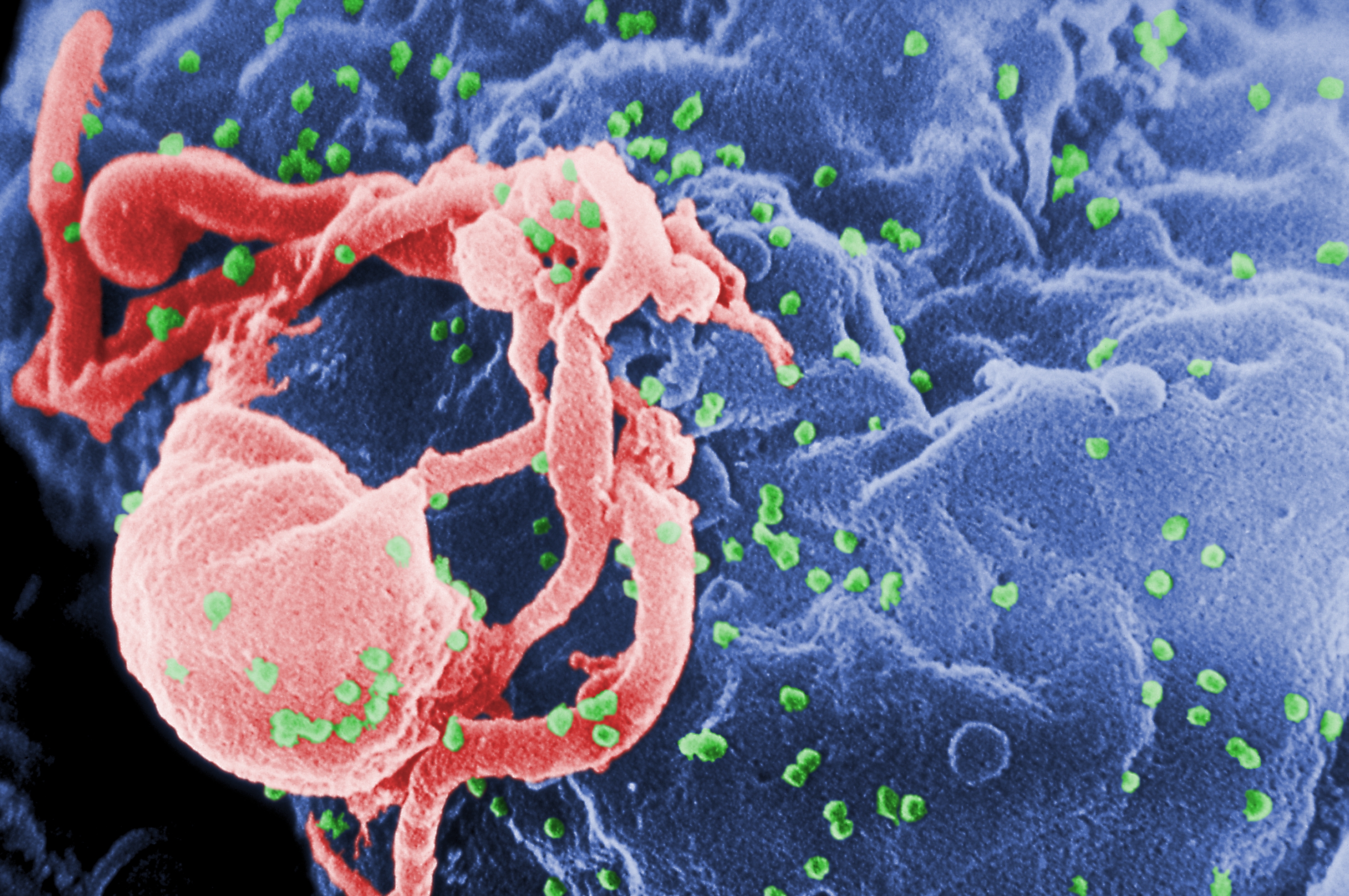
HIV is a medical issue that has been confounding scientists for years, eluding effective forms of countermeasures throughout the decades. With the advent of the gene-editing tool CRISPR, however, researchers may have finally gotten the tool they needed to put an end to the deadly pathogen. In a recent case, for example, scientists were able to raise the resistance of animals to HIV with the help of CRISPR.
One of the biggest reasons for why HIV is so hard to cure is its ability to hide, Futurism notes, which makes it difficult to create drugs that would target the viruses. Scientists have been trying for decades without much success. That’s why some Chinese researchers decided to take another approach to combating HIV. Instead of developing a drug, they simply opted to improve resistance to the virus.
Led by Hu Chen, the researchers conducted a study that looked into inducing mutations in mice via CRISPR. The goal is to make the rodents more resistant to HIV by manipulating the CCR5 gene.
The idea came from previous data collected that indicated how mutations in the gene could provide subjects with the ability to prevent getting infected by HIV. Unfortunately, only a select number of people had this mutation. By trying to see if the mutation can be controlled to apply to only that specific aspect of the gene, success could lead to complete immunity from the virus.
Based on the paper that the researchers published, the results of their work seems promising. This is largely due to the advent of CRISPR. As the researchers said in an interview with The Scientist, the gene-editing tool simply makes it too easy to manipulate cells.
It’s worth pointing out that this study only applies to increased resistance to HIV in animals and more tests are necessary to see the effects on humans. Even so, it’s an encouraging peek into the possibilities where CRISPR is concerned.







