


 Trump Lifts 25% Tariff on Indian Goods in Strategic U.S.–India Trade and Energy Deal
  Norway Opens Corruption Probe Into Former PM and Nobel Committee Chair Thorbjoern Jagland Over Epstein Links
  U.S. Lawmakers to Review Unredacted Jeffrey Epstein DOJ Files Starting Monday
  U.S.-India Trade Framework Signals Major Shift in Tariffs, Energy, and Supply Chains
  California Sues Trump Administration Over Federal Authority on Sable Offshore Pipelines
  Federal Judge Blocks Trump Administration Move to End TPS for Haitian Immigrants
  CK Hutchison Unit Launches Arbitration Against Panama Over Port Concessions Ruling
  Supreme Court Signals Skepticism Toward Hawaii Handgun Carry Law
  Trump Signs Executive Order Threatening 25% Tariffs on Countries Trading With Iran
  Newly Released DOJ Epstein Files Expose High-Profile Connections Across Politics and Business
  TrumpRx.gov Highlights GLP-1 Drug Discounts but Offers Limited Savings for Most Americans
  Federal Judge Rules Trump Administration Unlawfully Halted EV Charger Funding
  Citigroup Faces Lawsuit Over Alleged Sexual Harassment by Top Wealth Executive
  Trump Backs Nexstar–Tegna Merger Amid Shifting U.S. Media Landscape
  Federal Judge Signals Possible Dismissal of xAI Lawsuit Against OpenAI
  Panama Supreme Court Voids Hong Kong Firm’s Panama Canal Port Contracts Over Constitutional Violations


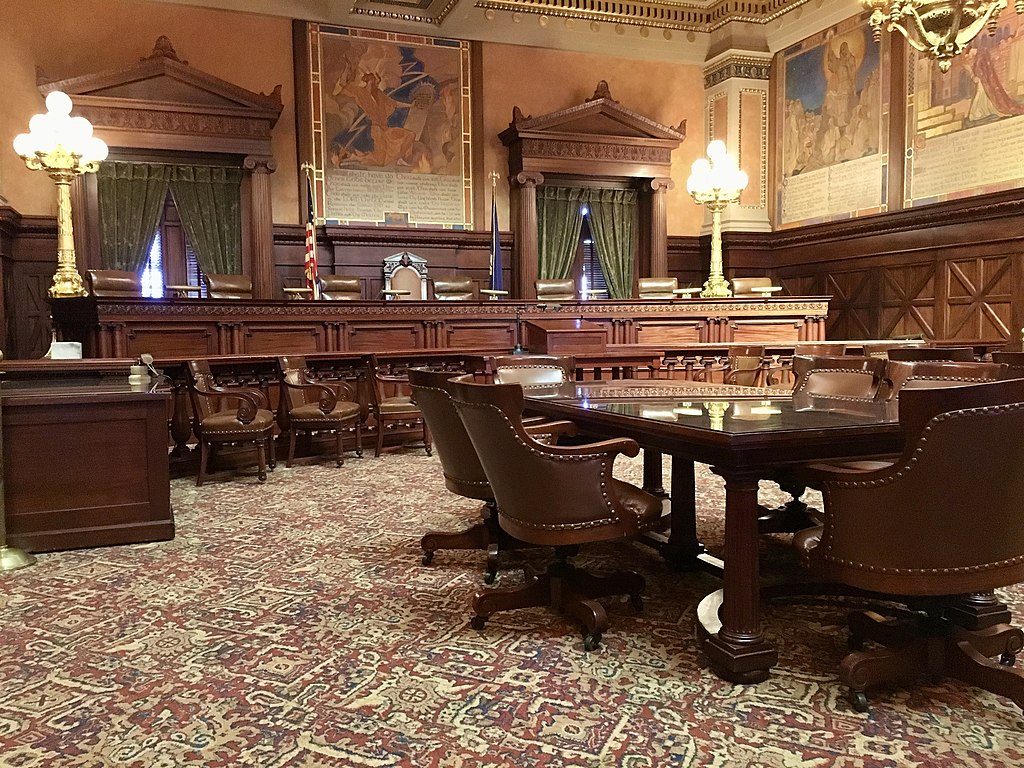
The Pennsylvania Supreme Court has once again ruled in favor of the Republican National Committee (RNC), upholding the decision that undated mail-in ballots cannot be counted. This ruling, delivered amid heated debates over voting procedures, has reignited concerns over election integrity and voter disenfranchisement in the critical battleground state.
The ruling reinforces a 2022 decision that sparked nationwide controversy. At its core, the case hinges on whether mail-in ballots missing handwritten dates on their return envelopes should be considered valid. The court's majority opinion stated that strict adherence to election law is necessary to ensure the integrity and uniformity of the voting process. This decision aligns with the RNC's argument that counting undated ballots violates Pennsylvania’s election code.
Key Impact on Pennsylvania Voters
Election officials estimate that thousands of mail-in ballots could be affected by the ruling, raising concerns among voting rights advocates about potential disenfranchisement. Opponents argue that the date requirement is an unnecessary technicality that does not serve to verify a voter's eligibility. However, proponents of the decision emphasize that consistent enforcement of election laws is critical to maintaining public trust in the electoral process.
In Pennsylvania, mail-in voting has become increasingly popular since the state expanded no-excuse absentee voting in 2019. The debate over undated ballots emerged as a flashpoint during the 2020 presidential election and has remained contentious in subsequent cycles.
Reactions From Both Sides
The RNC has celebrated the ruling as a victory for election integrity. In a statement, RNC Chairwoman Ronna McDaniel emphasized the importance of ensuring that election laws are followed uniformly across the state. “This decision safeguards the principle that every legal vote must be counted, and only legal votes,” she said.
Meanwhile, Democratic officials and voting rights groups have sharply criticized the decision. Pennsylvania Attorney General Michelle Henry called it a “blow to voters who follow the spirit of the law but may make minor mistakes.” Advocacy groups like the ACLU argue that the date requirement disproportionately affects elderly, disabled, and minority voters who rely on mail-in voting.
Political Implications
The decision could have significant implications for upcoming elections in Pennsylvania, a state that has consistently played a decisive role in national politics. With razor-thin margins often determining election outcomes, every vote matters. The ruling may also embolden similar legal challenges in other battleground states, where Republicans are pushing for stricter enforcement of mail-in voting rules.
Critics argue that the focus on technicalities like undated ballots diverts attention from broader issues of voter access and election security. However, supporters maintain that enforcing election laws uniformly is essential to avoid potential fraud or administrative inconsistencies.
What’s Next?
The Pennsylvania Department of State has urged voters to double-check their ballots to ensure they comply with all requirements. The decision is expected to add urgency to public education campaigns about proper voting procedures ahead of the next election cycle.
As both parties prepare for a high-stakes 2024 election season, the debate over undated ballots is likely to remain a contentious issue in Pennsylvania and beyond. With the Supreme Court’s decision cementing the RNC’s stance, the focus now shifts to voter outreach and turnout efforts in this pivotal swing state.













