


 Trump Administration Bars U.S. Travelers From Congo Flights Amid Ebola Outbreak
  EU to Propose New Rules Limiting Children's Access to Social Media
  Trump to Deliver National Address on Declassified 2020 Election Intelligence
  Trump to Deliver National Address on 2020 Election Intelligence, Voting Machine Security
  Reuters/Ipsos Poll: Most Americans Expect U.S.-Iran War to Be Prolonged
  Trump Administration Launches AI Cybersecurity Partnership to Protect Critical Infrastructure
  US Military Launches New Strikes on Iran, Targets Threats to Strait of Hormuz Shipping
  Ukraine, Europe Launch Freyja Missile Shield to Strengthen Air Defense Against Russia
  Trump ICC Sanctions Challenged as Advocacy Groups File Free Speech Lawsuit
  Zelenskiy Cabinet Reshuffle Puts Ukraine Defense Minister Fedorov’s Future in Focus
  Zelenskiy Plans Ukraine Government Shake-Up as Prime Minister Svyrydenko Set to Step Down
  Russia Launches Missile and Drone Attacks on Kyiv, Zaporizhzhia, and Kharkiv
  Brazil Court Bars Flavio Bolsonaro From Visiting Jair Bolsonaro Ahead of Election
  UK Sanctions 24 Russian-Linked Targets Over Cyberattacks and Election Interference
  EU Weighs New Trade Restrictions on Israeli West Bank Settlements
  Trump Tells Congress Iran Hostilities Restarted, Citing New 60-Day War Powers Window
  Trump Says U.S. Strikes on Iran Will Continue Until Nuclear Deal Is Reached


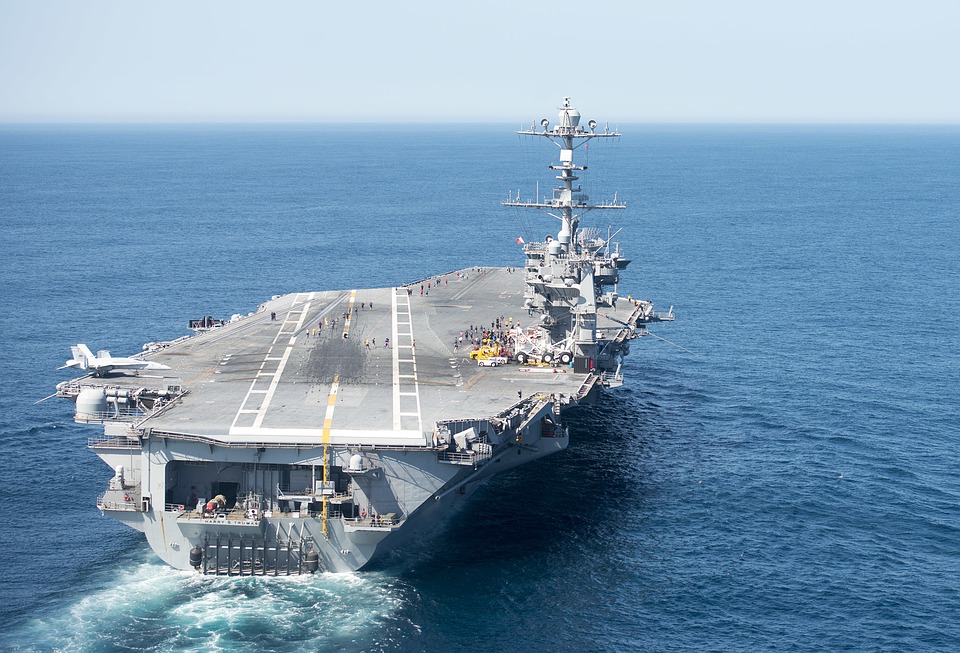
In the dispute over the South China Sea, the US and its allies are set on deterring aggression by China in a bid to assert control over the waters. The attempts by the US to deter Chinese aggression in the body of water have led Beijing to take a different approach in a show of control.
Speaking with NBC News Australia, political analyst Stephen Nagy said that China is forced into taking an unorthodox approach to showing control over the contested waters due to the strategy used by the US against the communist nation. Nagy said that China is “upset” and that it feels that the US does not have a role within the region. Nagy also cited the current escalated tensions between China and the Philippines.
“Beijing is upset, they feel the United States is an outside factor that doesn’t really have a role within the region,” said Nagy. “That this is traditionally, historically, China’s backyard and that outside powers like the United States and even Australia and our EU partners have no place in the discussion about the South China Sea. But that being said, the United States has really said to China that the red line is infringing upon the territories of the Philippines,”
Nagy noted that the Philippines and the US have a mutual defense treaty, recently referred to by US Secretary of State Antony Blinken, who warned China that any attack on the Philippines will lead to a response from the US military, during the fifth anniversary of the international tribunal’s rule against China’s claims of sovereignty over the waters.
Aside from the southeast Asian countries that have overlapping claims to the South China Sea, China’s situation with Taiwan has also prompted other nations to intervene or comment. Japan’s annual white paper warned that growing tensions in Taiwan could spell trouble for east Asian countries like Japan. The paper noted the escalating tensions between Beijing and Washington that also involve the island nation.
China claims Taiwan as a breakaway province in which it has sovereignty. However, Taiwan has defied the claims, insisting on its democratic government. The report also stressed the importance of Japan monitoring the situation in Taiwan.







