


 European Stocks Rally on Chinese Growth and Mining Merger Speculation
  Gold Prices Rise as Markets Await Trump’s Policy Announcements
  Investors Brace for Market Moves as Trump Begins Second Term
  Insignia Financial Shares Hit 3-Year High Amid Bain and CC Capital Bidding War
  Elliott Investment Management Takes Significant Stake in BP to Push for Value Growth
  Hong Kong's Housing Market Slumps for Fifth Month: What’s Next?
  Apple Downgraded by Jefferies Amid Weak iPhone Sales and AI Concerns
  Tech Stocks Rally in Asia-Pacific as Dollar Remains Resilient
  Interim housing isn't just a roof and four walls. Good design is key to getting people out of homelessness
  From NIMBY to YIMBY: How localized real estate investment trusts can help address Canada’s housing crisis
  South Korea to End Short-Selling Ban as Financial Market Uncertainty Persists
  China's Refining Industry Faces Major Shakeup Amid Challenges
  Reliance Industries Surges on Strong Quarterly Profit, Retail Recovery
  S&P 500 Surges Ahead of Trump Inauguration as Markets Rally
  How the UK’s rollback of banking regulations could risk another financial crisis


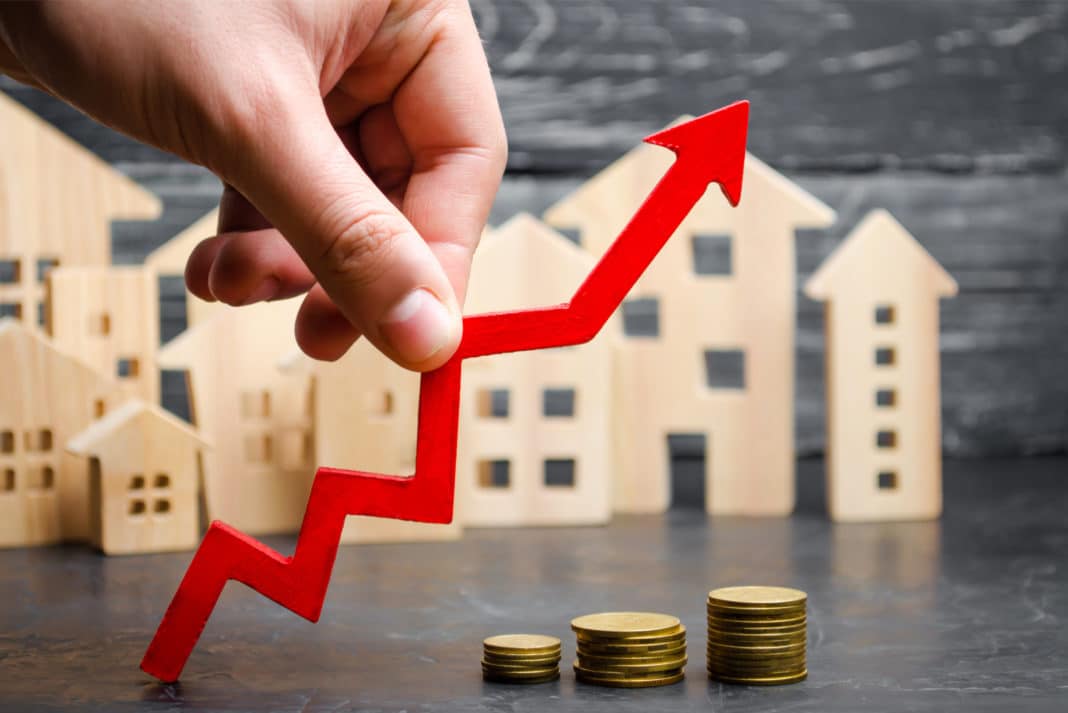
South Koreans made a $1.56 billion investment in the US commercial real estate market in the first three quarters of this year, accounting for 8.6 percent of the total, according to statistics by commercial real estate research firm Real Capital Analytics.
The figure represents a significant increase from the investments made by South Koreans last year that accounted for 3.7 percent.
South Korean investors, who boosted their investments in commercial real estate properties and warehouses in the US due to extremely low-interest rates, are now the third-largest group behind Canadians and Germans.
The investment from South Korea was the 10th-largest in January to September 2019 at US$1.24 billion.
While the US real estate investment from South Koreans is soaring, those from other countries are refraining from investing in the US capital market due to the pandemic, and Chinese investment is decreasing due to government control.













