


 Japan’s Prime Minister Sanae Takaichi Secures Historic Election Win, Shaking Markets and Regional Politics
  Nicaragua Ends Visa-Free Entry for Cubans, Disrupting Key Migration Route to the U.S.
  Taiwan Says Moving 40% of Semiconductor Production to the U.S. Is Impossible
  US Pushes Ukraine-Russia Peace Talks Before Summer Amid Escalating Attacks
  Bosnian Serb Presidential Rerun Confirms Victory for Dodik Ally Amid Allegations of Irregularities
  Sydney Braces for Pro-Palestine Protests During Israeli President Isaac Herzog’s Visit
  India–U.S. Interim Trade Pact Cuts Auto Tariffs but Leaves Tesla Out
  U.S. Lawmakers to Review Unredacted Jeffrey Epstein DOJ Files Starting Monday
  Ghislaine Maxwell to Invoke Fifth Amendment at House Oversight Committee Deposition
  Trump Lifts 25% Tariff on Indian Goods in Strategic U.S.–India Trade and Energy Deal
  Anutin’s Bhumjaithai Party Wins Thai Election, Signals Shift Toward Political Stability
  Federal Judge Restores Funding for Gateway Rail Tunnel Project
  U.S.-India Trade Framework Signals Major Shift in Tariffs, Energy, and Supply Chains
  Trump Says “Very Good Talks” Underway on Russia-Ukraine War as Peace Efforts Continue
  Israel Approves West Bank Measures Expanding Settler Land Access
  Trump Backs Nexstar–Tegna Merger Amid Shifting U.S. Media Landscape
  Trump’s Inflation Claims Clash With Voters’ Cost-of-Living Reality


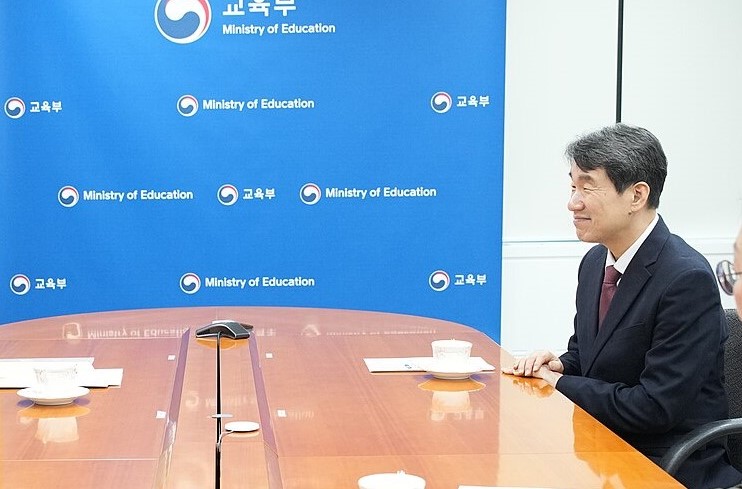
Lee Ju-ho, South Korea’s third acting leader in five months, steps into office amid political upheaval and economic uncertainty. A soft-spoken labor economist and two-time education minister, Lee now leads Asia’s fourth-largest economy following the resignations of both the prime minister and finance minister after President Yoon Suk Yeol’s ouster over a failed martial law attempt.
Lee, 64, will serve as acting president until the June 3 snap election. Though his term is brief, he faces enormous challenges—stabilizing financial markets, managing strained U.S. trade talks, and maintaining national security against North Korea. “We must prepare for financial market volatility and minimize economic uncertainty,” Lee stated in his first address.
Educated at Cornell and previously a professor at the Korea Development Institute, Lee is known for his expertise in labor policy and educational reform. Despite limited political experience—his only parliamentary term was via proportional representation—he has twice served as education minister, most recently appointed by Yoon in 2022.
During his tenure, Lee pushed to modernize classrooms with AI and ease the country’s notoriously competitive university admissions system by promoting specialized high schools. However, critics argue some of his reforms increased inequality. He is also mediating a crisis with striking medical students protesting plans to expand medical school admissions.
As interim leader, Lee emphasizes a system-driven government approach and vows to work with parliament and allies to uphold South Korea’s global credibility. With the country grappling with internal strife and international pressure, Lee’s ability to maintain stability during this transition period will be closely watched.













