


 Antonio José Seguro Poised for Landslide Win in Portugal Presidential Runoff
  Israel Approves West Bank Measures Expanding Settler Land Access
  Ohio Man Indicted for Alleged Threat Against Vice President JD Vance, Faces Additional Federal Charges
  Trump’s Inflation Claims Clash With Voters’ Cost-of-Living Reality
  Federal Judge Restores Funding for Gateway Rail Tunnel Project
  Trump Congratulates Japan’s First Female Prime Minister Sanae Takaichi After Historic Election Victory
  Bangladesh Election 2026: A Turning Point After Years of Political Suppression
  Trump Backs Nexstar–Tegna Merger Amid Shifting U.S. Media Landscape
  U.S. Lawmakers to Review Unredacted Jeffrey Epstein DOJ Files Starting Monday
  Netanyahu to Meet Trump in Washington as Iran Nuclear Talks Intensify
  Trump Administration Appeals Court Order to Release Hudson Tunnel Project Funding
  Japan Election 2026: Sanae Takaichi Poised for Landslide Win Despite Record Snowfall
  Jack Lang Resigns as Head of Arab World Institute Amid Epstein Controversy
  Ghislaine Maxwell to Invoke Fifth Amendment at House Oversight Committee Deposition
  New York Legalizes Medical Aid in Dying for Terminally Ill Patients
  Nicaragua Ends Visa-Free Entry for Cubans, Disrupting Key Migration Route to the U.S.
  US Pushes Ukraine-Russia Peace Talks Before Summer Amid Escalating Attacks


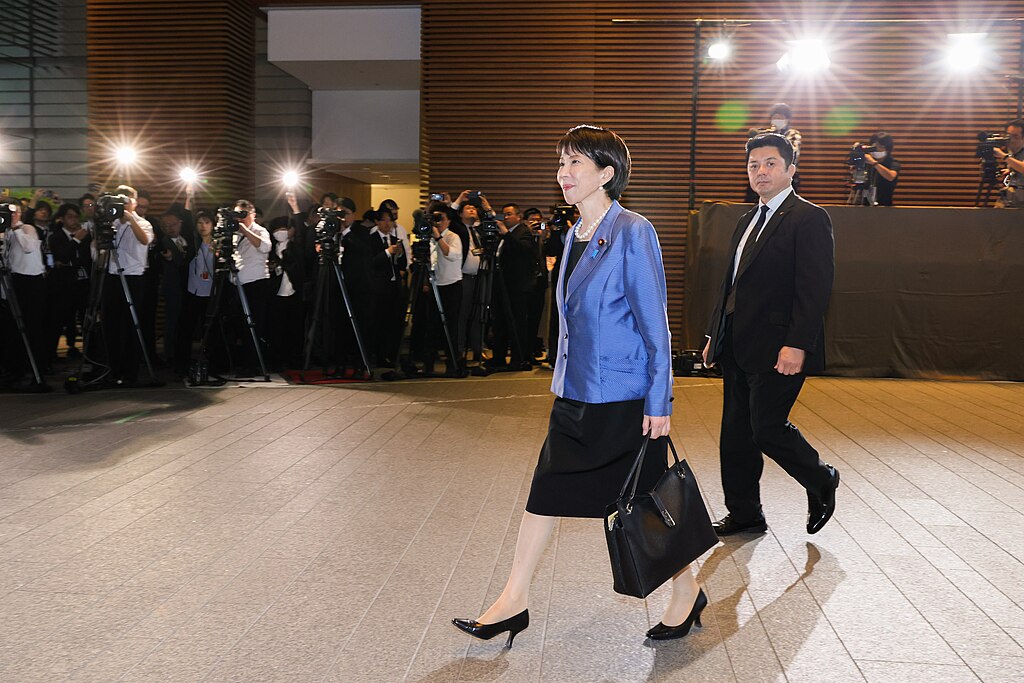
South Korean President Lee Jae Myung is set to hold a summit with Japanese Prime Minister Sanae Takaichi on Tuesday in Nara City, highlighting Seoul’s ongoing effort to balance relations with its two key neighbours, Japan and China. The meeting comes just a week after Lee concluded a summit with Chinese President Xi Jinping, underscoring his administration’s strategy of “pragmatic diplomacy” aimed at maintaining stable ties across the region.
The Japan summit takes place against the backdrop of rising diplomatic friction between Beijing and Tokyo. Analysts expect Prime Minister Takaichi to emphasize the importance of strong trilateral cooperation between the United States, Japan, and South Korea, particularly on security and regional stability. Relations between China and Japan have been strained since Takaichi stated in November that a potential Chinese attack on Taiwan could be considered an existential threat to Japan, possibly warranting a military response. China, which claims Taiwan as its territory, reacted angrily to those remarks.
Despite these tensions, South Korea is expected to maintain a neutral stance. President Lee has publicly stressed that Seoul values its relationship with Japan just as much as its ties with China, signaling that South Korea does not intend to take sides in the Sino-Japanese dispute. According to analysts, this balanced approach could create opportunities for cooperation in practical areas such as artificial intelligence, semiconductors, intellectual property, and cross-border business travel.
In addition to economic cooperation, the leaders are likely to address long-standing security concerns, including the denuclearisation of the Korean Peninsula and the issue of Japanese citizens abducted by North Korea. These perennial challenges remain central to regional diplomacy.
The visit also forms part of the “shuttle diplomacy” framework agreed upon by Seoul and Tokyo last year, aimed at sustaining regular high-level dialogue. While historical issues stemming from Japan’s colonial rule of Korea continue to affect bilateral relations, they are currently less prominent than in the past.
Even if no immediate agreements are reached, experts note that maintaining consistent diplomatic engagement is crucial. Continued dialogue, they argue, lays the groundwork for future cooperation and more concrete outcomes in South Korea–Japan relations.













