


 Meta Ties Executive Pay to Aggressive Stock Price Targets in Major Retention Push
  Cathay Pacific Holds Firm on Flight Capacity Amid Middle East Conflict and Rising Fuel Costs
  NASA Artemis II: First Crewed Moon Mission Since Apollo Takes Four Astronauts on 10-Day Lunar Journey
  Ukrainian Drones and the #MadeByHousewives Movement: Kyiv Fires Back at Rheinmetall CEO
  Golden Dome Missile Defense: Anduril and Palantir Join Forces on Trump's $185B Space Shield
  Australia's Social Media Ban for Under-16s Sparks Global Movement
  South Korea's Inflation Rises Modestly in March Amid Oil Price Pressures
  Federal Judge Blocks Pentagon's Blacklisting of AI Company Anthropic
  Trump Threatens Escalation Against Iran, Warns of Infrastructure Strikes
  Oil Prices Surge Over $5 as Trump Vows to Continue Iran Strikes
  OpenAI Executive Shake-Up Ahead of Anticipated 2026 IPO
  Microsoft's $10 Billion Japan Investment: AI Infrastructure and Data Sovereignty Push
  Microsoft Eyes $7B Texas Energy Deal to Power AI Data Centers
  U.S. Stock Futures Steady Amid Iran Ceasefire Talks and Trump Address
  Gulf War Ceasefire Hopes Weigh on Dollar Ahead of Trump Address
  Chinese Universities with PLA Ties Found Purchasing Restricted U.S. AI Chips Through Super Micro Servers
  Trump Administration Plans 100% Tariffs on Pharmaceutical Imports


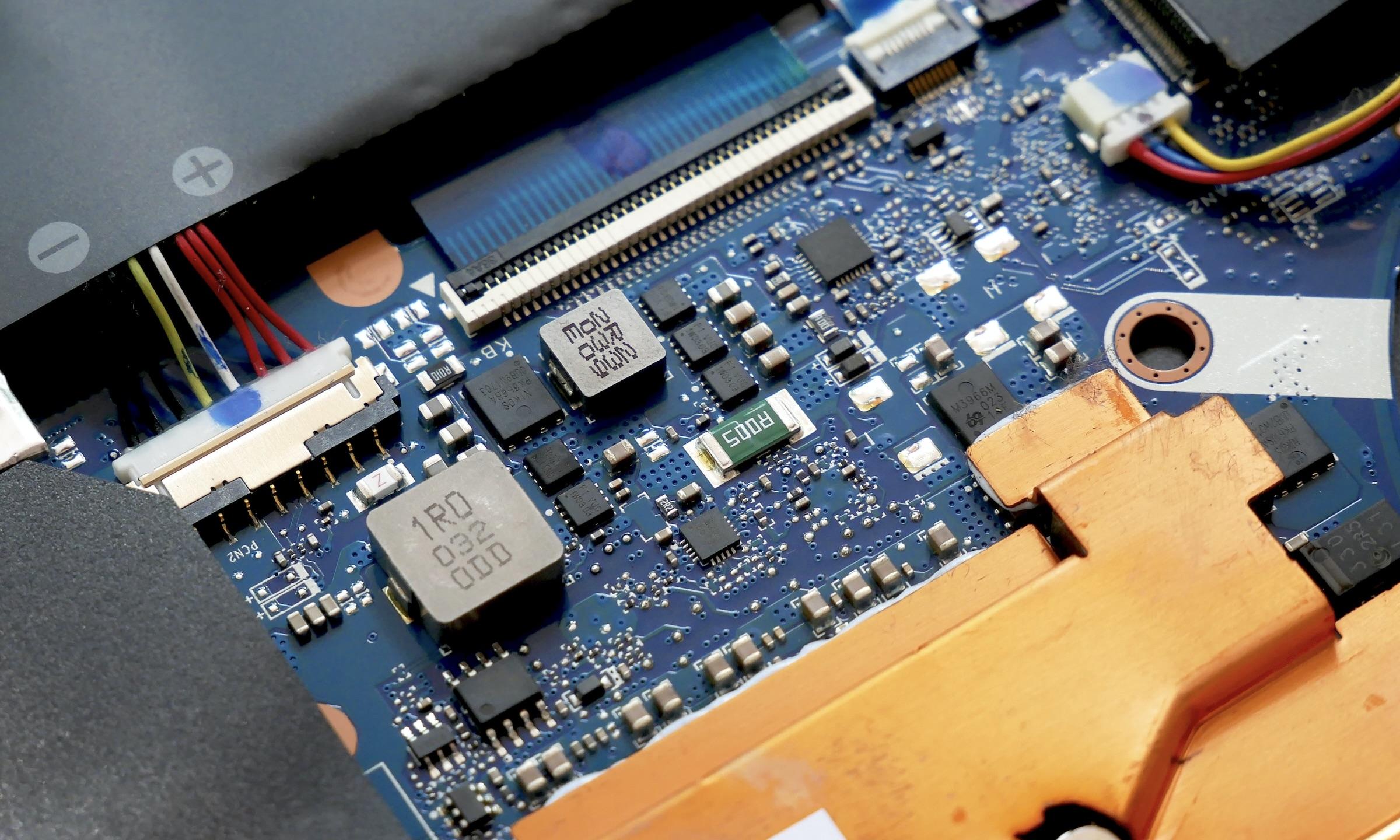
Japan Investment Corp., a government-backed fund, plans a bold $7 billion acquisition of global photoresists leader, JSR Corp., to amplify Japan's semiconductor self-sufficiency. This strategic move highlights the nation's increased focus on economic security and industrial competitiveness.
JSR, which holds a 30% share of the global market of photoresists, a critical chemical agent for manufacturing semiconductors, is expected to be delisted from the Tokyo Stock Exchange as early as fiscal 2024 if everything goes as planned. This will enable JSR to make management decisions on critical issues such as restructuring businesses and investments in growth sectors. The fund plans to invest ¥500 billion, with Mizuho Bank expected to lend about ¥400 billion.
The Japanese government is moving aggressively to beef up the domestic supply chain for semiconductors, which it considers a strategic commodity for economic security and national interest. According to Prime Minister Fumio Kishida, it is vital to secure an industrial base of semiconductor technology in Japan, not only to strengthen industrial competitiveness but also from the standpoints of decarbonization and economic security.
The Ministry of Industry revised its semiconductor and electronics industry strategy, aiming to increase annual domestic sales of semiconductor products threefold to more than ¥15 trillion. The ministry has also authorized a ¥330 billion subsidy to a new Hokkaido factory planned by Rapidus Corp., a semiconductor joint venture co-created by leading Japanese companies, including Toyota Motor Corp. and NTT Corp.
JSR said nothing was decided yet, but its board would discuss the matter on Monday after the Nikkei business daily reported that JIC was in talks to purchase the company via a tender offer as early as this year.
JSR, a company specializing in semiconductor materials and medical business, has reported a net profit of ¥15.7 billion on sales of ¥409 billion for the business year ending in March. The company, originally established as Japan Synthetic Rubber Co. in 1957 to produce synthetic rubber in Japan under a national policy, has since become a purely private-sector enterprise and has diversified into several business areas.
JSR is expecting a net profit of ¥25 billion on sales of ¥442 billion for the current business year. It strives for excellence in its field, and with its track record of success, JSR is poised for continued growth and innovation.
Photo: Vishnu Mohanan/Unsplash







