


 McDonald's and Restaurant Brands International Face Headwinds Amid Iran Conflict and Rising Costs
  Elon Musk Announces Terafab: SpaceX and Tesla to Build Dual AI Chip Factories in Austin, Texas
  Amazon's "Transformer" Phone: Can It Succeed Where Fire Phone Failed?
  What’s the difference between baking powder and baking soda? It’s subtle, but significant
  Glastonbury is as popular than ever, but complaints about the lineup reveal its generational challenge
  Elliott Investment Management Takes Multibillion-Dollar Stake in Synopsys
  Fonterra Admits Anchor Butter "Grass-Fed" Label Misled Consumers After Greenpeace Lawsuit
  CTOC Adds 3,000 Doctors, 500 Hospitals Ahead of Liquidity Push
  Chinese Universities with PLA Ties Found Purchasing Restricted U.S. AI Chips Through Super Micro Servers
  Cybersecurity Stocks Tumble After Anthropic's Claude Mythos AI Leak Sparks Market Fears
  Trump White House Unveils National AI Policy Framework for Congress
  BlackRock CEO Larry Fink Earns $37.7 Million in 2025 Amid Record Growth
  Federal Judge Blocks Pentagon's Blacklisting of AI Company Anthropic
  Jeff Bezos Eyes $100 Billion Fund to Transform Manufacturing With AI
  6 simple questions to tell if a ‘finfluencer’ is more flash than cash
  Brown-Forman and Pernod Ricard in Merger Talks to Create World's Largest Spirits Giant
  Disaster or digital spectacle? The dangers of using floods to create social media content


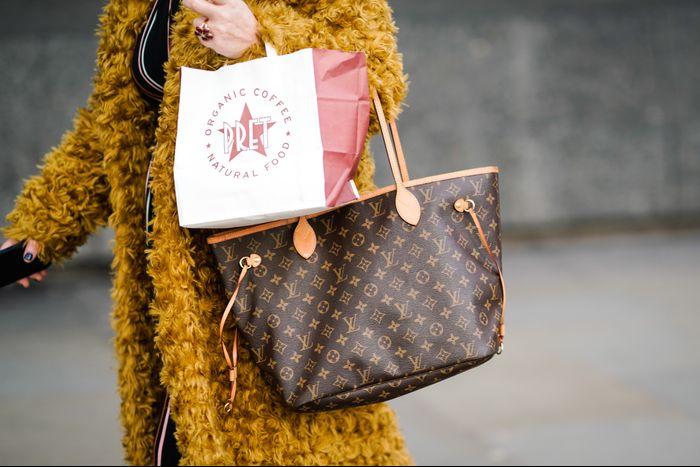
Komehyo Holdings Co., a leading seller of second-hand brand-name goods, is using an artificial intelligence-based mechanism that can identify fakes with a 99 percent accuracy.
Yuya Yamauchi, a Komehyo director responsible for the development of the authentification system, said the process starts by photographing the overall images of the item. The pictures are then uploaded to a computer, which shows more than one candidate model from the company’s database.
While a lot of time is required for humans to learn about the enormous number of items sold in the past, the AI quickly narrows down the candidate models.
The inspected item is then photographed with a camera-equipped microscope to produce images entered into the AI system for comparison with genuine models.
The microscopic images would then reveal tiny details that can confirm if the inspected product is genuine.
Komehyo began developing the AI system in 2018 by feeding its database photos of brand-name products from among 1.6 million articles it amassed annually.
The company began using AI in August 2020 to authenticate bags, wallets, and other fashion accessories.
Komehyo initially focused on Louis Vuitton products before covering goods from five major brands, including Chanel, Hermes, and Gucci.
The AI mechanism is used at 40 of 60 Komehyo stores throughout Japan, including outlets that exclusively purchase second-hand articles.







