


 Rise of the Zombie Bugs takes readers on a jaw-dropping tour of the parasite world
  How America courted increasingly destructive wildfires − and what that means for protecting homes today
  An unexpected anomaly was found in the Pacific Ocean – and it could be a global time marker
  SpaceX Pivots Toward Moon City as Musk Reframes Long-Term Space Vision
  Global PC Makers Eye Chinese Memory Chip Suppliers Amid Ongoing Supply Crunch
  Amazon Stock Rebounds After Earnings as $200B Capex Plan Sparks AI Spending Debate
  OpenAI Expands Enterprise AI Strategy With Major Hiring Push Ahead of New Business Offering
  Anta Sports Expands Global Footprint With Strategic Puma Stake
  Can your cat recognise you by scent? New study shows it’s likely
  What’s so special about Ukraine’s minerals? A geologist explains
  Fertile land for growing vegetables is at risk — but a scientific discovery could turn the tide
  DBS Expects Slight Dip in 2026 Net Profit After Q4 Earnings Miss on Lower Interest Margins
  Fungi are among the planet’s most important organisms — yet they continue to be overlooked in conservation strategies
  Why a ‘rip-off’ degree might be worth the money after all – research study
  Innovent Biologics Shares Rally on New Eli Lilly Oncology and Immunology Deal
  AI is driving down the price of knowledge – universities have to rethink what they offer
  Why have so few atrocities ever been recognised as genocide?


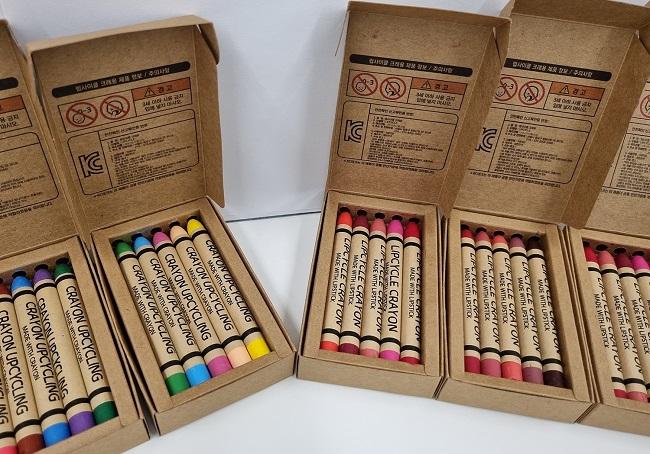
South Korean fashion retailer Shinsegae International Inc. has donated crayons made from recycled lipstick to Seoul-based charity Child Fund Korea.
Old lipsticks totaling 16,940 were used to make the crayons. One crayon can be made from two lipstick tubes.
Seventy-one childcare institutions have received 2,700 sets of crayons, including 1,700 sets of lipstick crayons and 1,000 sets of crayons produced from old, leftover crayons.
Shinsegae Worldwide also gave G Foundation, a non-governmental organization dedicated to international cooperation and development, 10,000 sets of cosmetics valued at 1.2 billion won.
Cleansing foam, lotion, a mask pack, and other items are included in each cosmetics package. They'll be delivered to single moms and single-parent families.













