


 Alphabet’s Massive AI Spending Surge Signals Confidence in Google’s Growth Engine
  Elon Musk’s SpaceX Acquires xAI in Historic Deal Uniting Space and Artificial Intelligence
  Missouri Judge Dismisses Lawsuit Challenging Starbucks’ Diversity and Inclusion Policies
  SpaceX Prioritizes Moon Mission Before Mars as Starship Development Accelerates
  Baidu Approves $5 Billion Share Buyback and Plans First-Ever Dividend in 2026
  Nvidia CEO Jensen Huang Says AI Investment Boom Is Just Beginning as NVDA Shares Surge
  OpenAI Expands Enterprise AI Strategy With Major Hiring Push Ahead of New Business Offering
  Elon Musk’s Empire: SpaceX, Tesla, and xAI Merger Talks Spark Investor Debate
  Instagram Outage Disrupts Thousands of U.S. Users
  Nvidia, ByteDance, and the U.S.-China AI Chip Standoff Over H200 Exports
  Jensen Huang Urges Taiwan Suppliers to Boost AI Chip Production Amid Surging Demand
  Washington Post Publisher Will Lewis Steps Down After Layoffs
  Toyota’s Surprise CEO Change Signals Strategic Shift Amid Global Auto Turmoil
  SpaceX Reports $8 Billion Profit as IPO Plans and Starlink Growth Fuel Valuation Buzz
  Nvidia Nears $20 Billion OpenAI Investment as AI Funding Race Intensifies
  Amazon Stock Rebounds After Earnings as $200B Capex Plan Sparks AI Spending Debate
  Once Upon a Farm Raises Nearly $198 Million in IPO, Valued at Over $724 Million


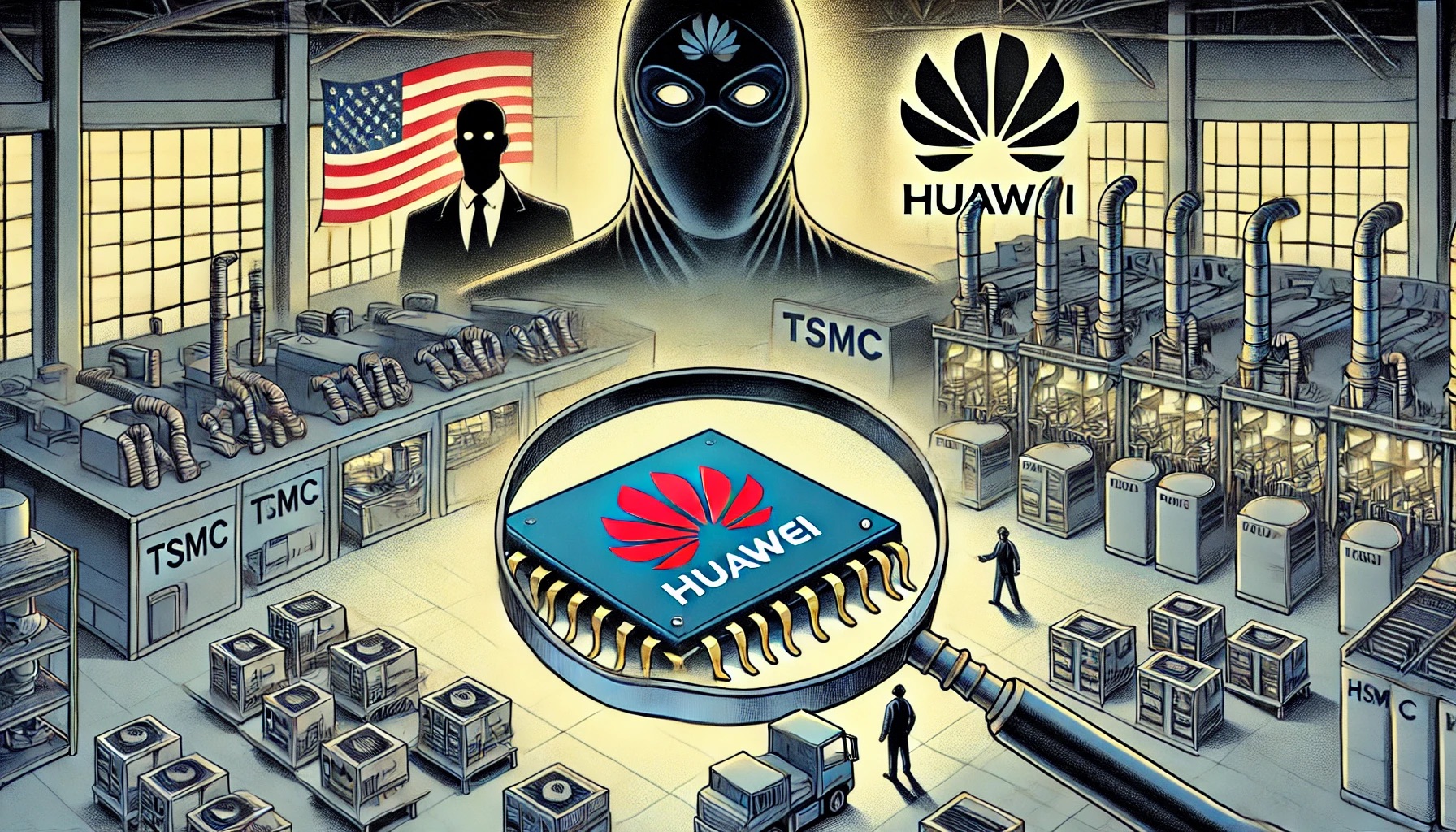
TSMC has halted shipments to a customer after uncovering its chip inside a Huawei product, which may violate strict U.S. export controls aimed at limiting China's access to advanced technology. Both U.S. and Taiwanese governments are now involved in the investigation.
TSMC Halts Shipments After Finding Chip in Huawei Product
A Taiwanese official said that after discovering that one of their chips had wound up in a Huawei product, Taiwan Semiconductor Manufacturing Co. halted shipments to the customer.
The trade and economic official, who spoke on condition of anonymity due to the sensitivity of the situation, stated that TSMC suspended shipments to the client approximately two weeks ago and commenced a comprehensive investigation, as reported by Reuters.
Governments Notified of Potential Breach
According to the official, the business has informed the governments of the United States and Taiwan about what is considered an "important warning event" within TSMC, which began on October 11th at the latest.
Officials from TSMC did not reveal which customers they had slashed off. No comments were made by TSMC.
U.S. Export Regulations in Question
According to US News, TSMC notified U.S. officials following a report by Reuters on Tuesday that tech research firm TechInsights may have violated U.S. export regulations by disassembling a Huawei product and finding one of TSMC's processors.
In an effort to rein in China's military might, the United States cut off the country's access to cutting-edge AI processors two years ago.
China’s Attempts to Circumvent Restrictions
U.S. efforts to increase export restrictions on advanced semiconductors have primarily targeted Huawei in an effort to prevent Chinese corporations from acquiring, developing, or producing such products.
Earlier this year, Reuters reported that Chinese organizations have been attempting to bypass the limits by using cloud services offered by corporations like Amazon to access advanced U.S. processors and AI capabilities.
Taiwan’s Response to Compliance Concerns
Concerned about China's propensity to manufacture advanced semiconductors, the Taiwanese government has implemented its own export control measures. Taiwanese authorities have stated that the country takes compliance with U.S. regulations very seriously.













