


 FDA Targets Hims & Hers Over $49 Weight-Loss Pill, Raising Legal and Safety Concerns
  Sony Q3 Profit Jumps on Gaming and Image Sensors, Full-Year Outlook Raised
  Washington Post Publisher Will Lewis Steps Down After Layoffs
  Nvidia, ByteDance, and the U.S.-China AI Chip Standoff Over H200 Exports
  Yen Slides as Japan Election Boosts Fiscal Stimulus Expectations
  DBS Expects Slight Dip in 2026 Net Profit After Q4 Earnings Miss on Lower Interest Margins
  Asian Stocks Slip as Tech Rout Deepens, Japan Steadies Ahead of Election
  Global Markets Slide as AI, Crypto, and Precious Metals Face Heightened Volatility
  Gold and Silver Prices Rebound After Volatile Week Triggered by Fed Nomination
  Australian Household Spending Dips in December as RBA Tightens Policy
  Samsung Electronics Shares Jump on HBM4 Mass Production Report
  Trump Lifts 25% Tariff on Indian Goods in Strategic U.S.–India Trade and Energy Deal
  Japan Economy Poised for Q4 2025 Growth as Investment and Consumption Hold Firm
  Missouri Judge Dismisses Lawsuit Challenging Starbucks’ Diversity and Inclusion Policies
  Kroger Set to Name Former Walmart Executive Greg Foran as Next CEO


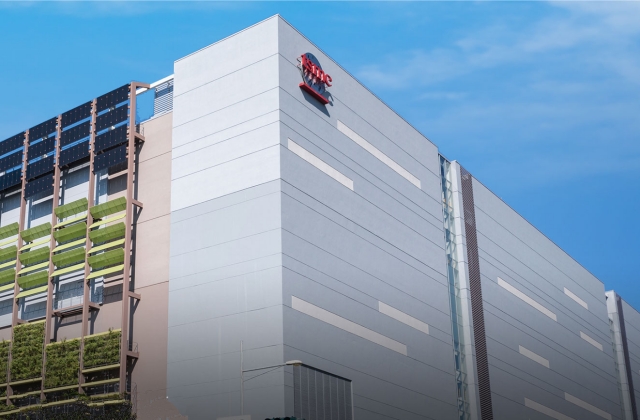
TSMC, or the Taiwan Semiconductor Manufacturing Company, is the largest semiconductor maker in the world, and it was reported that it has recently outdone China’s Tencent Holdings Ltd. to become the most valuable company in Asia today.
It was said that Tencent lost its first-place ranking amid Beijing’s crackdown on tech firms in the country. Apparently, the Chinese government’s actions took a toll on the Shenzhen-based technology conglomerate holding company, so TSMC was able to beat it in terms of share price and more.
Based on the reports, Tencent Holding’s shares have plummeted almost 30% since the start of June. This was amid the new rules and regulatory efforts that have let TSMC’s share price keep up and eventually surpassed Tencent's valuation.
According to CNBC, Tencent has slipped to second place, behind TSMC, with a market capitalization of over $536 billion. TSMC was able to reach its place as it soared due to overwhelming global demand for its semiconductor parts that are being supplied to auto and gaming companies worldwide. The Taiwanese firm was said to have doubled its share price since the outset of the pandemic last year.
TSMC officially took over Tencent on Tuesday this week when the latter’s stock dropped. Still, it bested Alibaba that came in at $481 billion.
It was noted that China’s crackdown has been hurting its homegrown tech firms. In fact, Tencent and Alibaba have both lost over $20 billion each this week after the country’s market regulator issued draft policies aimed at ending unfair competition on the internet.
Truly, China’s continuous and unwavering regulatory assault is crashing the market value of Tencent and other tech firms. This setback played a big role in pushing Taiwan’s TSMC to become Asia Pacific’s most valuable company.
SCMP further reported that TSMC’s success is hinged on the strong demand as companies worldwide struggle due to chip shortages. The company has been making efforts to double its semiconductor productions to be able to supply the needed chips.
“We view this round of internet regulation as coordinated and likely to persist to at least end-2021,” a strategist at UBS in Shanghai, Meng Lei, said regarding Tencent’s situation. “Therefore we think we have not reached the bottom, and in our tactical sector allocations we maintain underweight on the internet sector.”













