


 KPMG UK Cuts 440 Audit Jobs Amid Low Attrition and Cooling Professional Services Demand
  SoftwareONE Posts 22.5% Revenue Surge in 2025 on Crayon Acquisition
  Gulf War Ceasefire Hopes Weigh on Dollar Ahead of Trump Address
  Canada's Economy Grows Modestly in January 2025, Driven by Energy and Construction
  Microsoft Eyes $7B Texas Energy Deal to Power AI Data Centers
  Gold Prices Rebound in Asia Amid Iran War Ceasefire Hopes
  RBI Clamps Down on Rupee NDF Activity, Banks Face Steeper Losses
  Trump Claims Iran Sought Ceasefire as Middle East War Escalates
  Fonterra Admits Anchor Butter "Grass-Fed" Label Misled Consumers After Greenpeace Lawsuit
  Europe's Aviation Sector on Track to Meet 2025 Green Fuel Mandate
  Novartis to Acquire Biotech Firm Excellergy in $2 Billion Deal
  Asian Currencies Weaken as Dollar Rebounds Amid Middle East Escalation
  Asian Stocks Drop as Trump Signals Iran War Escalation
  Oil Prices Climb as Middle East Conflict Keeps Supply Risks Elevated
  Trump Threatens Escalation Against Iran, Warns of Infrastructure Strikes
  South Korea Manufacturing PMI Hits 4-Year High in March 2025 Driven by Semiconductor Demand
  Annie Altman Amends Sexual Abuse Lawsuit Against OpenAI CEO Sam Altman


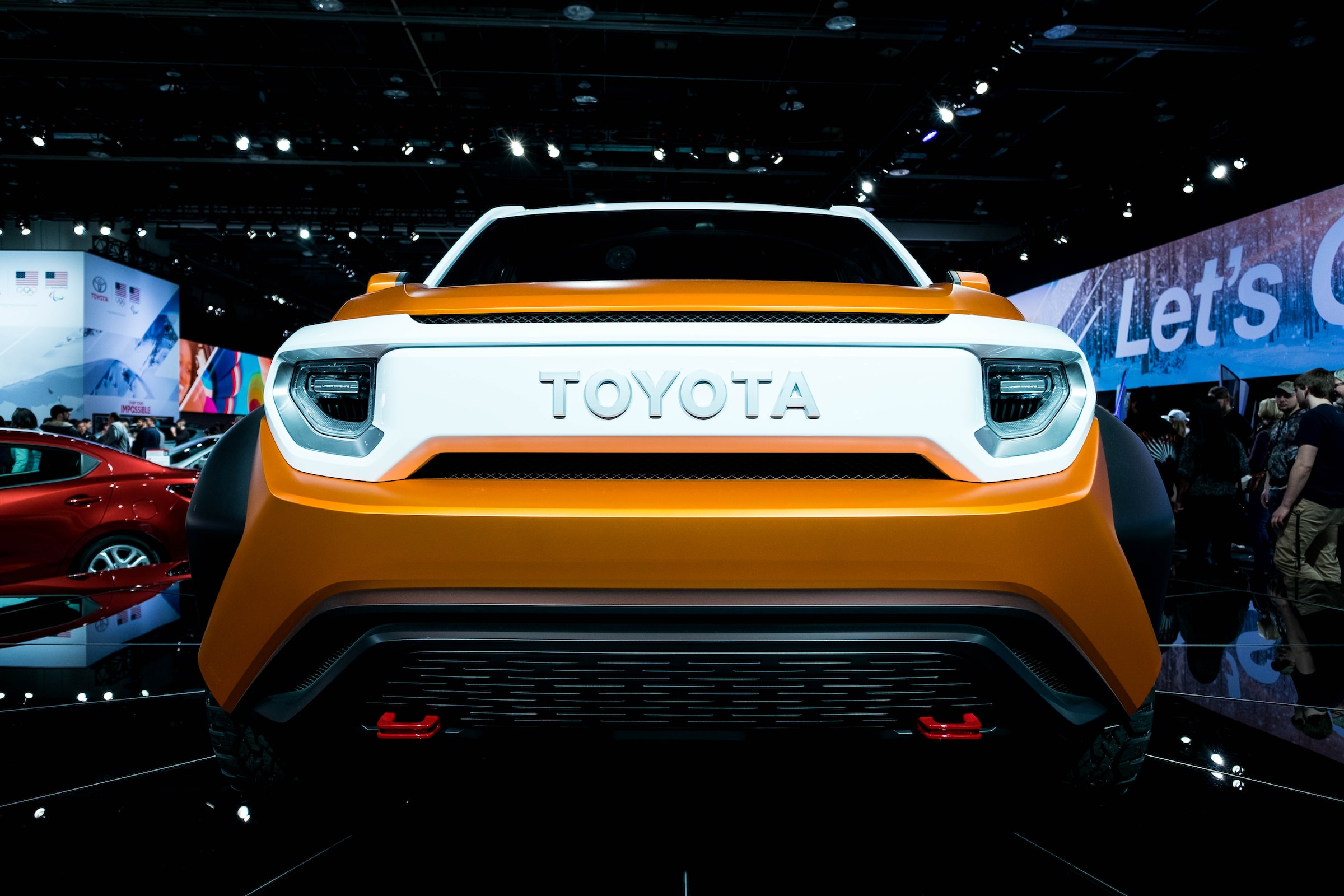
Toyota Motor Corp suspended operations at its 14 factories in Japan after detecting a system malfunction. While the cause is under investigation, it's clarified not to be a cyberattack.
Specific details surrounding the incident remained undisclosed. The automaker explained that 14 vehicle factories, affecting 25 assembly lines, could not process orders for parts due to the system glitch.
A representative from Toyota affirmed that, at this point, they believe the issue is not a result of a cyberattack. The cause of the malfunction is currently being investigated, and the company aims to restore normal operations as soon as possible. It remains uncertain when production will resume, and there is no confirmation whether factories outside Japan were affected.
The news has impacted Toyota's stocks, with a 0.64 percent drop to 2,421.0 yen. Nevertheless, the selling pressure seemed to have eased before the midday break in Tokyo markets.
This incident follows a similar event last year when Toyota had to suspend operations at all domestic factories due to a cyberattack.
Renowned for its efficiency, Toyota's "just-in-time" production system is widely praised and studied globally. The streamlined approach involves delivering only necessary parts and items throughout the assembly process, reducing costs and improving efficiency. However, this method also comes with inherent risks.
Despite challenges posed by the pandemic and global chip shortage, Toyota remained the world's top-selling automaker for the third consecutive year in 2022. The company set ambitious goals for the fiscal year ending in March 2024, aiming for a net profit of 2.58 trillion yen, a 5.2 percent increase compared to the previous year, and sales of 38 trillion yen.
Automakers, in general, have experienced a surge in global demand as manufacturing activities recover from the setbacks caused by the COVID-19 pandemic. However, semiconductor shortages continue to hamper production capacity, impacting various sectors such as automotive and electronics.
Toyota expressed that chip supplies were gradually improving, and the company implemented measures such as price adjustments and collaboration with suppliers to restore production activities to normal levels. Nonetheless, delays in vehicle deliveries to customers persisted.
Photo: Austin Park/Unsplash







