


 Ohio Man Indicted for Alleged Threat Against Vice President JD Vance, Faces Additional Federal Charges
  Trump Allows Commercial Fishing in Protected New England Waters
  Nicaragua Ends Visa-Free Entry for Cubans, Disrupting Key Migration Route to the U.S.
  Japan Election 2026: Sanae Takaichi Poised for Landslide Win Despite Record Snowfall
  U.S. Lawmakers to Review Unredacted Jeffrey Epstein DOJ Files Starting Monday
  Trump Congratulates Japan’s First Female Prime Minister Sanae Takaichi After Historic Election Victory
  Federal Judge Restores Funding for Gateway Rail Tunnel Project
  Japan’s Prime Minister Sanae Takaichi Secures Historic Election Win, Shaking Markets and Regional Politics
  U.S.-India Trade Framework Signals Major Shift in Tariffs, Energy, and Supply Chains
  Bosnian Serb Presidential Rerun Confirms Victory for Dodik Ally Amid Allegations of Irregularities
  Anutin’s Bhumjaithai Party Wins Thai Election, Signals Shift Toward Political Stability
  Israel Approves West Bank Measures Expanding Settler Land Access
  Antonio José Seguro Poised for Landslide Win in Portugal Presidential Runoff
  Trump Lifts 25% Tariff on Indian Goods in Strategic U.S.–India Trade and Energy Deal
  India–U.S. Interim Trade Pact Cuts Auto Tariffs but Leaves Tesla Out
  Netanyahu to Meet Trump in Washington as Iran Nuclear Talks Intensify
  Trump Signs “America First Arms Transfer Strategy” to Prioritize U.S. Weapons Sales


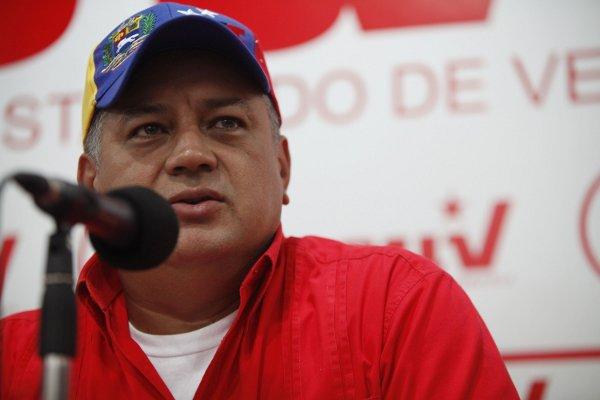
Senior officials from the Trump administration held months-long communications with Venezuela’s powerful interior minister Diosdado Cabello prior to the U.S.-led operation that resulted in the seizure and removal of President Nicolas Maduro, according to multiple sources familiar with the matter. These discussions reportedly continued both immediately before and after the January 3 raid, underscoring Washington’s efforts to manage political stability in Venezuela during a volatile transition.
Sources said U.S. officials warned Cabello not to deploy the security forces, intelligence services, police, military units, or pro-government militias under his influence against opposition groups. Despite Maduro’s removal, much of Venezuela’s security apparatus remains intact, making Cabello a central figure in determining whether the country descends into unrest or maintains order.
Cabello, 62, is named in the same U.S. drug-trafficking indictment that the Trump administration cited to justify Maduro’s arrest. However, he was not detained during the operation. Communications with Cabello reportedly included discussions about U.S. sanctions and the indictment he faces, with contact occurring both directly and through intermediaries.
Although it remains unclear whether talks covered Venezuela’s future governance or whether Cabello complied with U.S. warnings, he has publicly pledged loyalty to interim President Delcy Rodriguez. The Trump administration has viewed Rodriguez as a key figure in its post-Maduro strategy, but U.S. officials remain wary that Cabello could undermine those plans due to his history of repression and rivalry within the ruling elite.
Long considered Venezuela’s second-most powerful figure, Cabello is a former military officer and close ally of the late Hugo Chavez. He has been closely linked to domestic surveillance operations and armed civilian groups known as colectivos. While Washington sees him as a stabilizing force in the short term, analysts say his eventual removal would signal genuine democratic change.
The Venezuelan government has denied reports of secret communications, while the White House declined to comment. Meanwhile, Cabello remains under heavy U.S. sanctions, with a $25 million reward offered for information leading to his capture.













