


 Trump Weighs FBI Probe Into Nolan Wells’ Death
  San Francisco Halts New Data Center Construction With 45-Day Moratorium
  Tsai Warns of China’s Sustained Pressure on Taiwan
  Merz Warns of Extremism After AfD Gains Power in Saxony-Anhalt
  Circle Urges EU to Revise MiCA Stablecoin Rules
  Kalshi Wins CFTC Approval for S&P 500 Perpetual Futures
  Saudi Airport Attacks Kill Three as Yemen Fighting Escalates
  Mexico Bars Dual Citizens From Presidential Races Starting in 2028
  TSA Removes Chairs for Airport ID Check Officers
  SEC Investor Reform Validates Barry Silbert’s Tokenization Vision
  Florida Seeks Tougher Meta Rules to Protect Young Users
  Lula Weighs Alckmin as Finance Minister to Boost Fiscal Credibility
  Houthis Strike Aden Airport as Yemen Fighting Escalates
  Illinois Delays Crypto Tax Law Until July 2027
  Israel Tightens Pilot Security After Flydubai Incident
  Pentagon Orders Iran Strike Preparations as Trump Weighs Military Action
  US Treasury Drops Crypto Wallet Tracking Plan


 Add as a preferred source on Google
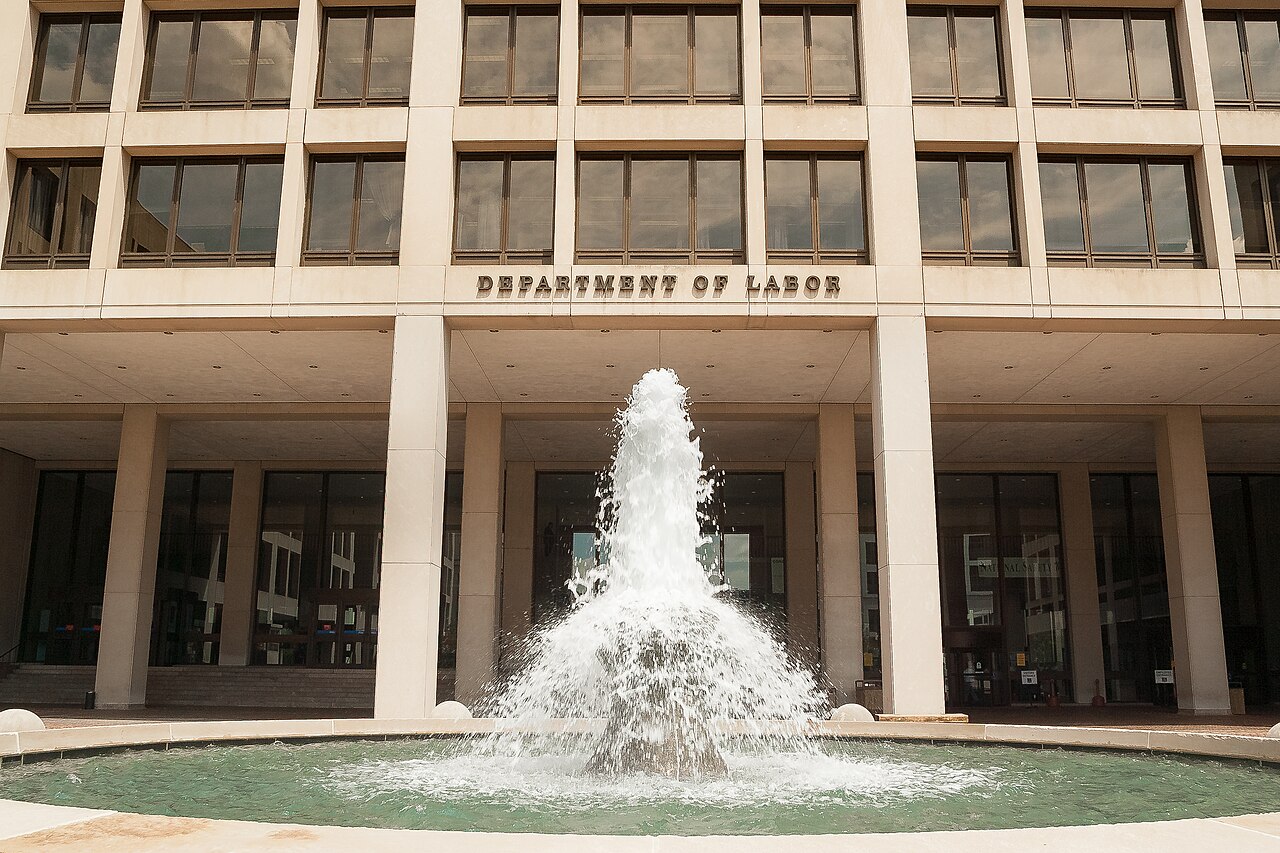
The Trump administration has introduced a proposed rule that could significantly reshape how companies are held accountable for labor violations involving contractors and franchise workers. Announced by the U.S. Department of Labor, the rule aims to narrow the definition of “joint employer” under federal wage laws, including those governing minimum wage and overtime pay.
Under the proposal, a company would only be considered a joint employer if it exercises direct and substantial control over key aspects of employment, such as hiring, supervision, pay, and maintaining employee records. This approach mirrors a similar rule implemented during Trump’s first term, which was later rescinded under former President Joe Biden.
Acting Labor Secretary Keith Sonderling emphasized that the proposed regulation is designed to simplify compliance for businesses. He stated that establishing a clear and consistent standard would encourage companies to invest in partnerships, while also helping workers better understand their rights. The Department of Labor believes the change could streamline enforcement efforts and improve the efficiency of workplace investigations.
The rule, which will be officially published soon, will undergo a 60-day public comment period before any final decision is made. If adopted, it could take effect later this year and influence both government enforcement actions and private lawsuits, although courts would not be required to follow it.
The issue of joint employment has been a long-standing and highly debated topic in U.S. labor law. Recently, the National Labor Relations Board also rolled back a Biden-era rule, reinstating a Trump-era standard that similarly limits joint employer liability.
However, worker advocacy groups have raised concerns. Organizations like the Economic Policy Institute argue that narrowing the definition could make it harder to address wage theft and protect workers, potentially costing employees billions in lost wages.







