


 Iran Open to U.S. Talks in Pakistan if Pressure Policy Ends, Official Says
  RFK Jr. Faces Scrutiny Over David Geier’s HHS Role and Vaccine Review Work
  Iran Warns U.S. Ceasefire Extension Could Signal Surprise Military Strike
  Argentina’s Milei Pushes Electoral Reform to End Mandatory Primaries
  Sharif Welcomes Trump’s Ceasefire Extension in U.S.-Israel-Iran Conflict
  US Urges Iran to Transfer Enriched Uranium as Ceasefire Talks Continue
  Navy Secretary John Phelan Fired Amid Pentagon Leadership Shakeup and Shipbuilding Concerns
  Global Military Talks in London Aim to Reopen Strait of Hormuz and Protect Shipping
  Iran Condemns U.S. Port Blockade as ‘Act of War,’ Raising Ceasefire Concerns
  France Supports Lebanon-Israel Negotiations Without Direct Role, Says Macron
  Trump Administration Proposes New Rule to Limit Joint Employer Liability
  U.S. Criticizes Airspace Denials to Taiwan President as China Influence Grows
  U.S. Intercepts Iranian Oil Tankers in Asian Waters Amid Rising Global Energy Crisis
  Mexico Senate Seeks Answers on Deadly Chihuahua Crash Involving U.S. and Mexican Officials
  US Sanctions Target Iran Weapons Network Amid Rising Tensions
  U.S. Freezes Dollar Transfers to Iraq, Pressures Government Over Iran-Backed Militias
  Peru Election Crisis Deepens as Electoral Chief Piero Corvetto Resigns Amid Delayed Results


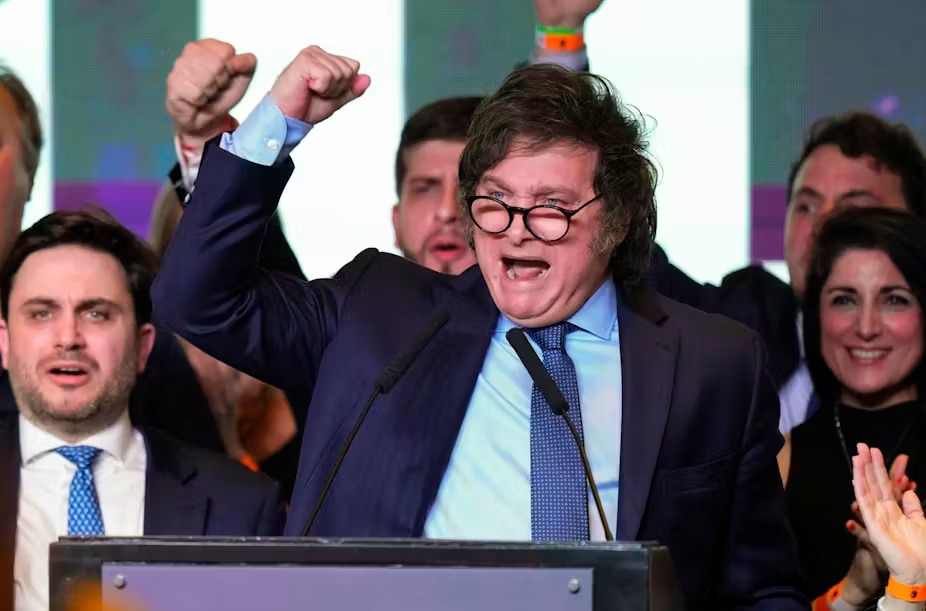
Argentina’s government has introduced a sweeping electoral reform bill aimed at reducing public spending, increasing transparency, and tightening political party regulations. The proposal, submitted to Congress on Wednesday, is part of President Javier Milei’s broader push to shrink the size of the state and implement fiscal austerity measures across multiple sectors.
A central component of the bill is the elimination of Argentina’s mandatory primary elections, known as PASO (Primarias Abiertas, Simultáneas y Obligatorias). The Milei administration described these primaries as a “failed experiment,” arguing that they impose significant costs on taxpayers without effectively resolving internal party disputes. According to official figures, the 2023 PASO elections cost the government approximately 45 billion Argentine pesos, or about $32.7 million.
Under the proposed reform, political parties would regain control over their candidate selection processes, making primaries an internal matter rather than a state-run exercise. Supporters of the change say this would streamline elections and reduce unnecessary public spending, while critics warn it could weaken democratic participation and transparency.
The bill also introduces stricter requirements for forming and maintaining political parties, raising thresholds that could limit the number of smaller or emerging groups. In addition, it seeks to bar individuals with criminal convictions from running for public office, a move aimed at strengthening political integrity.
Another key provision targets campaign financing. The reform would prohibit political parties from receiving funds through anonymous donations or from sources linked to gambling operations, foreign public entities, or other restricted contributors. These measures are designed to enhance accountability and reduce the risk of illicit funding in Argentina’s political system.
The proposed legislation must first pass through the Senate before moving to the Chamber of Deputies for final approval. As debate continues, the bill is expected to play a major role in shaping Argentina’s electoral landscape and advancing President Milei’s economic and governance agenda.







