


 Trump Weighs FBI Probe Into Nolan Wells’ Death
  Zelenskiy Warns Russia Is Preparing Massive Attack on Ukraine
  US DOT Ends Airline Privacy Review Without Enforcement
  Mexico Bars Dual Citizens From Presidential Races Starting in 2028
  Florida Seeks Tougher Meta Rules to Protect Young Users
  Trump Backs Florida Golf Course as Presidential Retreat
  TikTok Accused of Testing Fake Safety Tools on Users
  Illinois Delays Crypto Tax Law Until July 2027
  Trump Opens Tax-Exempt Dyed Diesel Access as Fuel Prices Surge
  Elon Musk Accuses Indian Telecom Giants of Blocking Starlink Launch
  Russia Targets Danish Ukraine Suppliers in Sabotage Campaign
  TSMC Q3 Revenue Beats Estimates as AI Chip Demand Surges
  Samsung Q3 Profit Hits Record High on AI Memory Demand
  US, Greece Launch New Counterterrorism Security Program
  OpenAI, Anthropic Back Mandatory AI Breach Reporting in Australia
  Kalshi Wins CFTC Approval for S&P 500 Perpetual Futures


 Add as a preferred source on Google
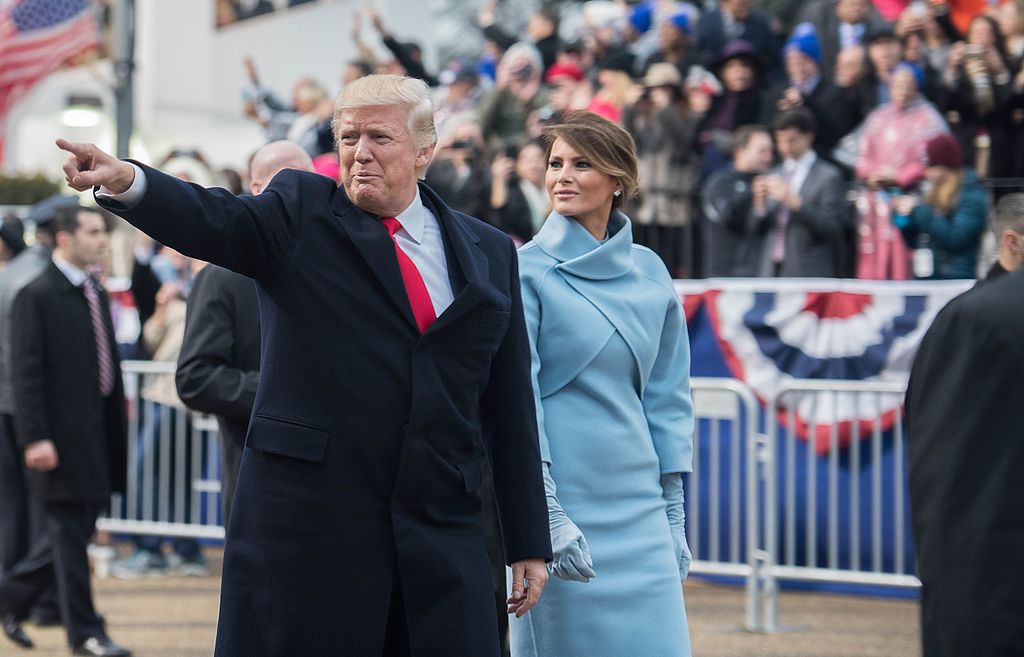
President Donald Trump has signed an executive order requiring federal employees to return to in-person work five days a week, reversing remote work policies established during the COVID-19 pandemic. Announced at Washington's Capital One Arena, the directive aims to terminate telework arrangements "as soon as practicable," while allowing agency heads to make exemptions as deemed necessary.
The order is part of broader efforts to reshape the federal workforce. Paired with a hiring freeze and the creation of the Department of Government Efficiency (DOGE), chaired by Tesla CEO Elon Musk, the initiative seeks to reduce government size and cut costs. Trump allies suggest the changes are designed to streamline operations and enable the replacement of long-serving employees with administration loyalists.
While critics warn the mandate could trigger an exodus of frustrated employees, Musk has welcomed the possibility, predicting voluntary resignations will follow the removal of "COVID-era privileges." Approximately 46% of federal workers, or 1.1 million employees, are eligible for remote work, with 228,000 working fully remotely, according to an August White House report.
Unionized employees, comprising about 25% of the federal workforce, may retain remote or hybrid arrangements under current bargaining agreements. However, Trump’s Office of Management and Budget nominee Russell Vought has hinted at reviewing these agreements, expressing concerns over deals made during the Biden administration.
Supporters argue the return-to-office mandate will increase efficiency and accountability, while opponents criticize it as an attempt to gut the civil service. As the order takes effect, its impact on federal operations and employee morale remains to be seen.







