


 Asian Currencies Mixed as Yen Weakens, Dollar Holds Firm
  Iran Tanker Attacks Surge as Hormuz Oil Flows Near Prewar Levels
  Gold Prices Fall as Fed Signals Another Rate Hike
  Merz Warns of Extremism After AfD Gains Power in Saxony-Anhalt
  Trump Plans Diesel Tax Relief as Fuel Prices Hit Record Highs
  US Dollar Hits 18-Month High as Fed Signals More Rate Hikes
  France to Release 10 Million Barrels of Diesel to Ease Fuel Prices
  Japan Real Wages Rise 1.5%, Supporting BOJ Rate Hikes
  Lincoln University Students Sue Missouri Over Decades of Underfunding
  S&P 500 Hits Record High as AI Rally Lifts Wall Street
  CFTC Moves to Set New Crypto Rules After CLARITY Act Failure
  Trump Rallies in Texas as Republicans Face Tight Midterm Races
  Bangladesh GDP Growth Accelerates to 4.6% on Industrial Rebound
  Rapidus Seeks Chip Customers as Japan Pushes 2nm Semiconductor Revival
  Fairshake Backs 32 Pro-Crypto House Candidates
  European Stocks Fall as Oil Rises Ahead of Fed Minutes
  Trump Weighs FBI Probe Into Nolan Wells’ Death


 Add as a preferred source on Google
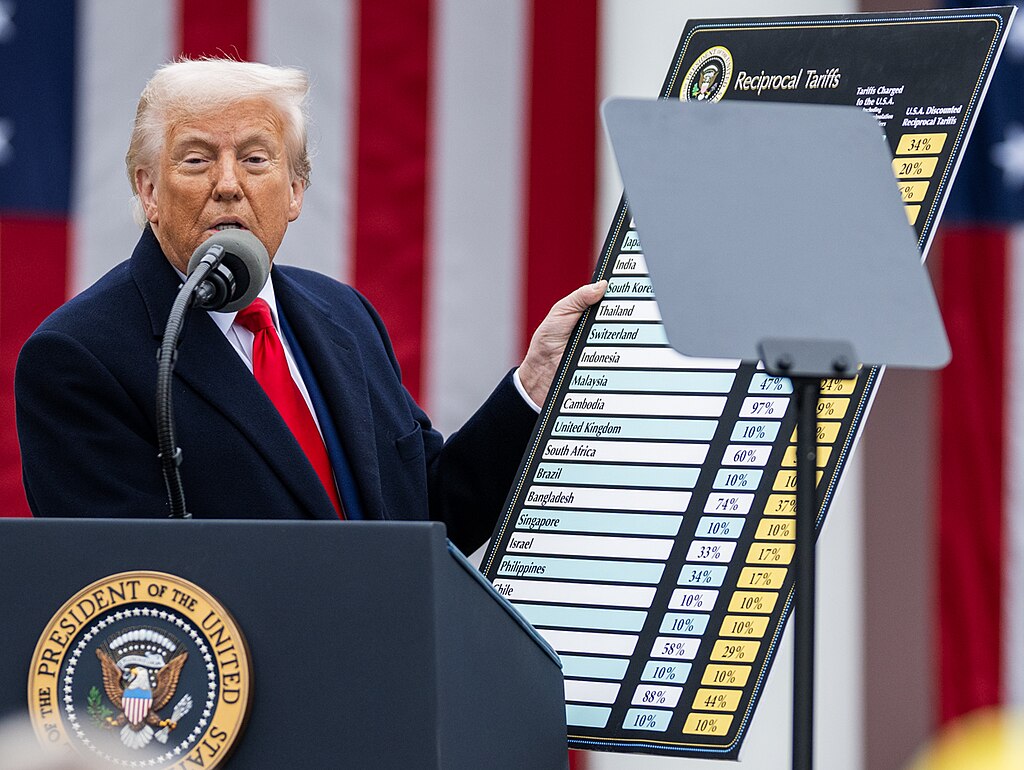
U.S. President Donald Trump announced plans to raise a temporary tariff on imports from all countries to 15%, up from 10%, following a Supreme Court decision that struck down a significant portion of his earlier trade tariffs. The new import duties will be imposed under Section 122 of U.S. trade law, a separate and largely untested legal authority. The move signals a renewed escalation in U.S. trade policy and could have wide-ranging implications for global markets, international trade agreements, and business stability.
U.S. Trade Representative Jamieson Greer said that none of the countries that previously reached trade agreements with Washington have indicated plans to withdraw following the Supreme Court ruling. His comments suggest that, despite legal uncertainty surrounding the tariffs, existing trade deals remain intact for now.
China’s Commerce Ministry responded by saying it is conducting a “full assessment” of the Supreme Court’s decision. Beijing urged the United States to remove what it called “unilateral tariff measures” affecting its trading partners. In an official statement, the ministry argued that U.S. tariffs violate international trade rules as well as domestic U.S. law, and warned that China would closely monitor developments while firmly safeguarding its economic interests.
The European Commission also reacted, calling on the United States to honor the terms of last year’s EU-U.S. trade deal. Officials stressed that the current situation undermines efforts to maintain “fair, balanced, and mutually beneficial” transatlantic trade and investment, emphasizing that agreed commitments must be respected.
European Central Bank President Christine Lagarde cautioned that renewed disruptions in U.S. trade policy could unsettle businesses and financial markets. She expressed hope that any new tariff measures would be clearly defined and legally sound to avoid further uncertainty.
Meanwhile, Switzerland’s State Secretariat for Economic Affairs indicated that U.S. tariffs may become a long-term reality, as the U.S. administration remains focused on reducing the trade deficit, increasing reciprocity, and boosting domestic production.







