


 US Grants Aurora Five-Year Exemption for Self-Driving Trucks
  Tennessee Plans to Rename Nashville Airport After Dolly Parton
  Paramount-Warner Bros. Merger Delayed Until 2027 Amid Antitrust Lawsuit
  Tsai Warns of China’s Sustained Pressure on Taiwan
  OpenAI Revenue Hits $50 Billion, Below Earlier $70 Billion Estimate
  US, Greece Launch New Counterterrorism Security Program
  Disney Expands Infinity Vision to Challenge Imax
  Saudi Airport Attacks Kill Three as Yemen Fighting Escalates
  Elon Musk Accuses Indian Telecom Giants of Blocking Starlink Launch
  Anderson Cooper to Exit CBS News’ 60 Minutes After Nearly 20 Years
  Paramount’s $108.4B Hostile Bid for Warner Bros Discovery Signals Major Shift in Hollywood
  Netflix Shuts Down Boss Fight Entertainment, Developer of “Squid Game: Unleashed” Amid Gaming Strategy Shift
  Mexico Probes Miss Universe President Raul Rocha Over Alleged Criminal Links
  DOJ Antitrust Chief Rejects Political Fast-Track for Paramount-Skydance Deal
  Marco Rubio Warns Russia-Ukraine War Could Spark Wider Conflict
  Trump Slams Super Bowl Halftime Show Featuring Bad Bunny


 Add as a preferred source on Google
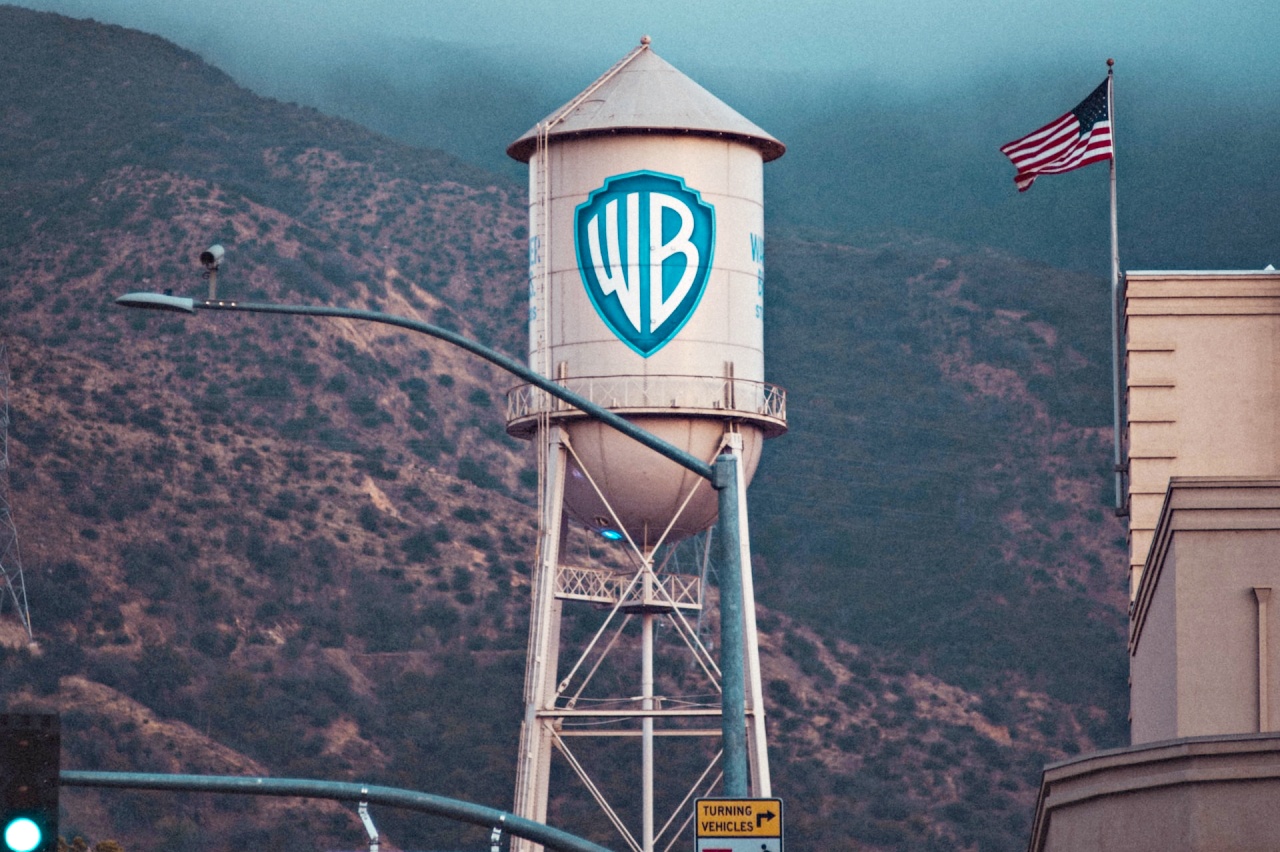
U.S. President Donald Trump indicated on Sunday that he expects to play a direct role in determining whether the proposed merger between Netflix and Warner Brothers will move forward, raising new questions about regulatory scrutiny surrounding one of the entertainment industry’s biggest potential deals. Speaking to reporters as he arrived at the Kennedy Center for its annual awards ceremony, Trump said he believes the size and influence of the combined company could create concerns about market concentration and competition.
His comments followed Netflix’s announcement on Friday that it had reached an agreement to acquire Warner Bros Discovery’s television, film studio, and streaming assets in a massive $72 billion deal. If approved, the acquisition would give Netflix control over highly valuable entertainment properties, significantly expanding its reach in Hollywood and strengthening its position in the global streaming market. Industry analysts have already noted that the merger could reshape the competitive landscape by merging a leading streaming giant with one of the most iconic content producers in the world.
Although Trump did not express a clear stance on whether the merger should ultimately be approved, he emphasized that the potential dominance of the merged entity could draw regulatory attention. “That’s going to be for some economists to tell… But it is a big market share. There’s no question it could be a problem,” he said, suggesting that antitrust regulators may need to evaluate whether the deal poses risks to fair competition, consumer choice, or media diversity.
With the entertainment industry already undergoing rapid consolidation, this proposed merger is likely to face intense examination in Washington. Trump’s assertion that he will be “involved in that decision” underscores the political significance of the deal and signals that federal oversight could play a decisive role in determining its outcome. As the regulatory review process unfolds, both companies and industry observers are preparing for what could become one of the most consequential media rulings in years.







