


 Marco Rubio Warns Russia-Ukraine War Could Spark Wider Conflict
  Iran Refuses to Halt Uranium Enrichment Amid US Nuclear Demands
  Saudi Airport Attacks Kill Three as Yemen Fighting Escalates
  Trump Weighs FBI Probe Into Nolan Wells’ Death
  Circle Urges EU to Revise MiCA Stablecoin Rules
  Trump Buys Up to $25M in Meta Stock, Invests in SpaceX Debt
  Mexico Bars Dual Citizens From Presidential Races Starting in 2028
  Zelenskiy Criticizes US as Russian Strikes Kill 78 in Ukraine
  San Francisco Halts New Data Center Construction With 45-Day Moratorium
  SEC Investor Reform Validates Barry Silbert’s Tokenization Vision
  US, Greece Launch New Counterterrorism Security Program
  Saudi Arabia Probes Flydubai Cockpit Attack
  Fairshake Backs 32 Pro-Crypto House Candidates
  US-Led Coalition Targets Global Factory Overcapacity
  US Pressures Allies to Distance From Anti-Disinformation Conference
  Trump Says He Deserves 2026 Nobel Peace Prize Despite Uncertain Chances


 Add as a preferred source on Google
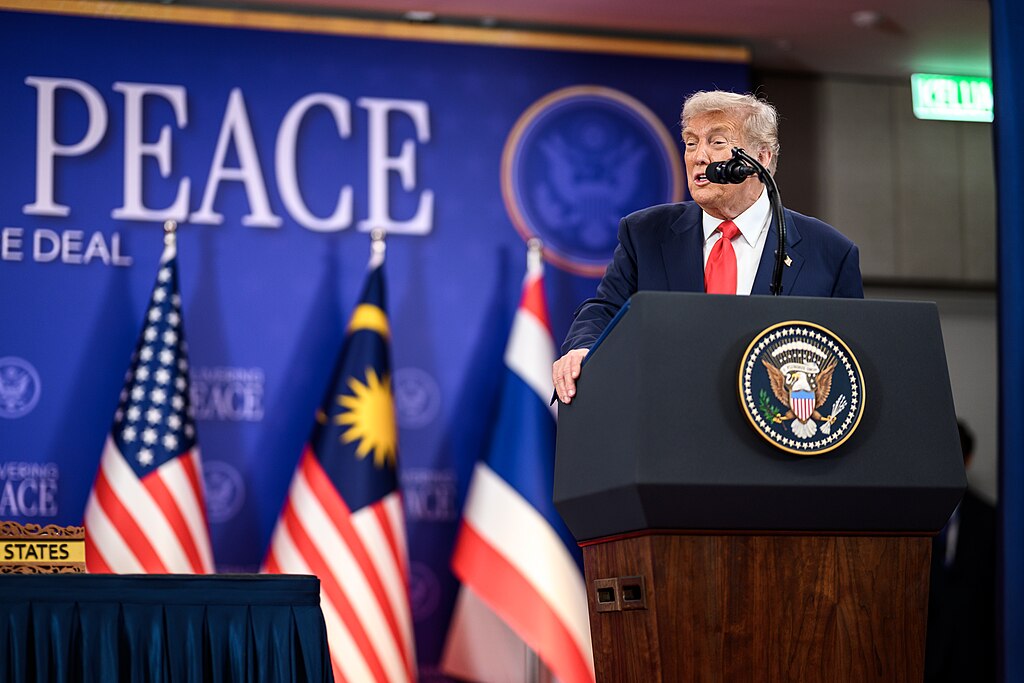
U.S. President Donald Trump has signed a new executive order designed to protect revenue generated from the sale of Venezuelan oil that is currently held in U.S. Treasury accounts. According to a statement released by the White House on Saturday, the order prevents these funds from being subject to attachment, seizure, or any form of judicial process, reinforcing Washington’s broader strategy toward Venezuela’s ongoing political and economic crisis.
The White House emphasized that the executive order is a proactive measure aimed at safeguarding Venezuelan oil revenue from legal claims that could divert the funds away from their intended purpose. In a fact sheet accompanying the announcement, the administration stated that President Trump is acting to stop the seizure of these assets, warning that such actions could undermine critical U.S. efforts to promote economic recovery and political stability in Venezuela.
Venezuelan oil revenue has become a highly sensitive issue amid years of U.S. sanctions, international legal disputes, and internal political turmoil within Venezuela. Funds derived from oil exports and held in U.S. financial institutions have been vulnerable to lawsuits from creditors and other claimants seeking compensation for unpaid debts and expropriations. The new executive order seeks to block those legal efforts by placing the revenue beyond the reach of U.S. courts.
The Trump administration has consistently argued that protecting Venezuelan state assets abroad is essential to ensuring they can eventually be used for the benefit of the Venezuelan people, rather than being consumed by prolonged legal battles. By shielding oil revenue from judicial action, the U.S. government aims to maintain leverage in diplomatic negotiations while supporting its stated goal of fostering democratic governance and economic stability in Venezuela.
This move also reflects Washington’s broader foreign policy approach toward Caracas, combining economic pressure with measures intended to preserve key national resources. The executive order is likely to draw attention from international creditors, legal experts, and policymakers, as it underscores the complex intersection of sanctions, sovereign assets, and geopolitical strategy surrounding Venezuelan oil and U.S.-Venezuela relations.







