


 Ukraine Responds to U.S. Demarche After Novorossiysk Strike Impacts American Interests
  Bipartisan Senate Resolution Backs Ukraine Ahead of Trump’s State of the Union Address
  Trump Touts Stock Market Gains and 401(k) Boost Amid Tariff Uncertainty
  Claudia Sheinbaum Considers Legal Action Against Elon Musk Over Cartel Allegations
  Mexico Kills ‘El Mencho’ in Major Military Raid, Escalating War on Cartels
  U.S. Imposes Steep Countervailing Duties on Solar Imports from India, Indonesia and Laos
  FedEx Sues U.S. Government for Refund of Trump-Era Emergency Tariffs After Supreme Court Ruling
  Trump Raises Tariffs to 15% Under Section 122 After Supreme Court Ruling
  EU Demands U.S. Honor Trade Deal After Supreme Court Blocks Trump Tariffs
  Trump Pushes Tech Giants to Build Power Plants to Offset AI Data Center Energy Costs
  Russia Launches Massive Drone and Missile Attack on Ukraine’s Energy Infrastructure
  Irish Council Approves Trump Doonbeg Ballroom Plan with Snail Protection Conditions
  Albanese Backs Move to Remove Prince Andrew from Line of Succession Amid Ongoing Investigation
  Venezuela Amnesty Law Frees Nearly 2,200 Prisoners, Says Jorge Arreaza
  Islamic State Claims New Attacks on Syrian Army as Violence Escalates Under President Ahmed al-Sharaa
  India and Brazil Strengthen Trade Partnership with New Mining and Steel Cooperation Pact
  South Korea Urges Russian Embassy to Remove ‘Victory Will Be Ours’ Banner Ahead of Ukraine War Anniversary


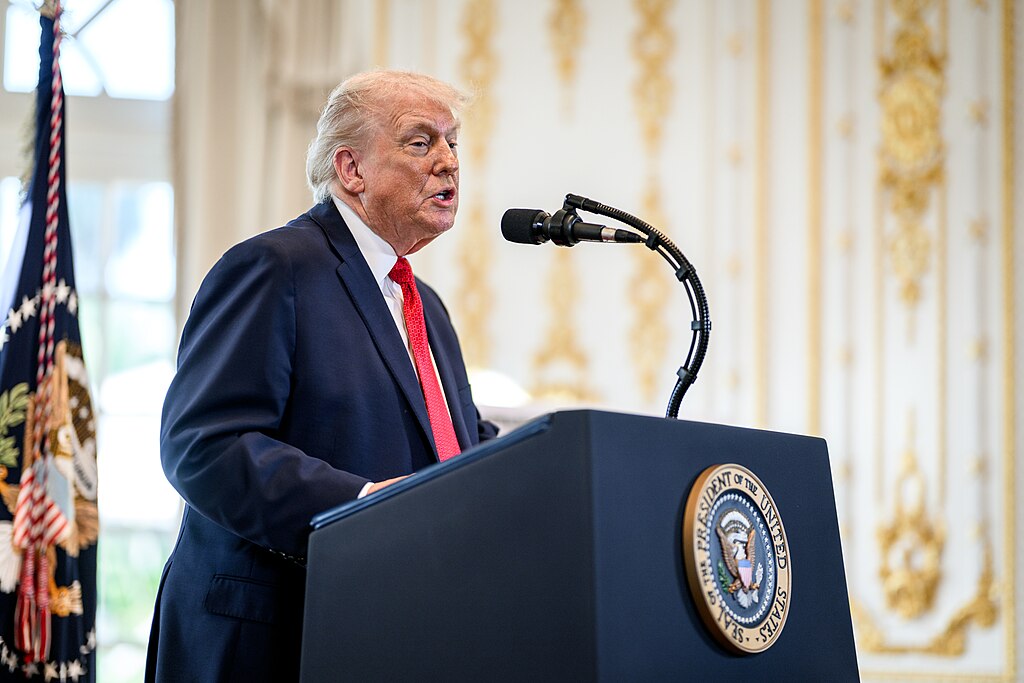
President Donald Trump delivered his State of the Union address to a joint session of Congress on Tuesday, positioning the speech as a defining moment ahead of the November midterm elections. With all 435 House seats and roughly one-third of the Senate up for grabs, the address served as a key opportunity for the White House to solidify Republican voter support while countering Democratic efforts to regain control of Congress.
The backdrop to Trump’s speech included rising tensions with Iran and growing voter frustration over the high cost of living. Economic concerns dominated his remarks, as he focused heavily on inflation, mortgage rates, gas prices, job growth, and overall economic performance. Trump argued that inflation and borrowing costs are easing, while highlighting gains in the stock market, oil production, foreign direct investment, construction, and factory employment.
However, economic data presents a more complex picture. Inflation showed signs of stalling and even ticking up last year, while factory jobs declined during the same period. Despite the administration’s optimistic tone, many Americans continue to feel the strain of elevated prices on everyday goods and services. Voter sentiment reflects that concern. According to recent Reuters/Ipsos polling, 56% of Americans disapprove of Trump’s handling of the economy, compared with 36% who approve.
Political strategists warn that the president’s economic messaging carries risks for the Republican Party. With midterm elections often serving as a referendum on the sitting president’s performance, dissatisfaction over inflation and the broader economy could influence voter turnout and swing key races. Democrats are aiming to capitalize on economic anxiety as they seek to flip congressional seats.
As Republicans fight to maintain their majority in both chambers, Trump’s ability to reshape the economic narrative may prove crucial. The months leading up to November will test whether voters embrace his optimistic outlook or remain focused on lingering financial pressures.













