


 U.S. and Iran Edge Toward Potential 45-Day Ceasefire Amid Escalating Tensions
  Indonesia Files Genocide Case Against Myanmar's Min Aung Hlaing Over Rohingya Crisis
  Trump's FY2027 Budget: Major Defense Boost and Domestic Spending Cuts
  Judge Blocks DOJ Subpoenas in Federal Reserve Investigation, Delaying Powell Succession
  U.S. Arrests Soleimani's Relatives After Green Cards Revoked
  Giuffre Family Urges King Charles to Meet Epstein Survivors During U.S. State Visit
  Trump's "Easter Miracle" Rescue Sparks Church-State Debate
  Taiwan Opposition Leader's China Visit: A Peace Mission Amid Rising Tensions
  Kim Jong Un's Daughter Emerges as North Korea's Likely Successor, South Korean Intelligence Says
  U.S. and Israel Escalate Pressure on Iran Over Strait of Hormuz as War Enters Sixth Week
  U.S.-Iran War Escalates: Downed Fighter Jet, Stalled Ceasefire Talks, and Ground Invasion Fears
  Trump-Xi Summit 2026: U.S.-China Trade War Tensions and Tariff Talks
  Trump Issues Deadline for Iran to Reopen Strait of Hormuz Amid Escalating Conflict
  How will the Iran war change the Middle East? We asked 5 experts
  Britain Courts Anthropic Amid US Defense Department Dispute
  U.S. Commandos Execute Daring Rescue Mission Deep Inside Iran
  Iran's Stranglehold on the Strait of Hormuz: What It Means for Global Markets


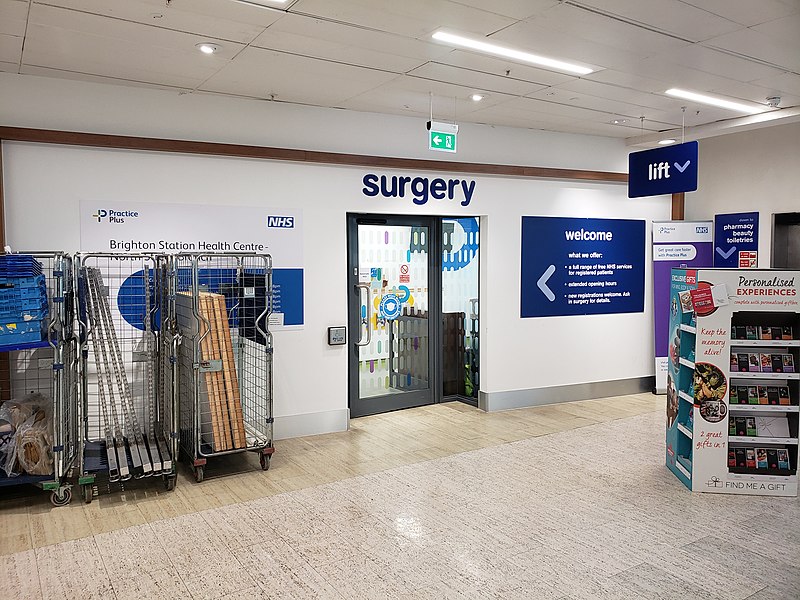
The British government has faced surges of strikes among workers of key sectors over pay. This week, the government has reached an agreement with healthcare unions on a pay proposal for the coming year.
On Thursday, the British government and healthcare unions came to an agreement on a pay proposal that included a five percent increase in wages in the coming year. The proposal, if accepted by the workers, could potentially put an end to strikes that have disrupted operations in the National Health Service for months.
The proposal would cover one million nurses, paramedics, midwives, and other workers in the United Kingdom for two years through early April of 2024. The strikes will end only if the members approve the deal after a period of consultation with the trade unions. Almost all the trade unions have recommended that the new offer be accepted.
“This offer is good for NHS staff, it’s good for the taxpayer, and most importantly, it is good news for patients whose care will no longer be disrupted by strike action,” said Prime Minister Rishi Sunak, who is under pressure to ease the surges of strikes by trade unions of different key sectors across the country.
Both sides believe that the new offer is a “fair and reasonable settlement.” However, the deal does not apply to junior doctors who are in a separate dispute. The new offer includes a one-off payment of two percent of 2022/2023 salaries and a five percent pay increase for 2023/2024, which starts in early April next year.
Aside from the healthcare unions, on Friday, the British government and education trade unions issued a joint statement announcing that they have agreed to start “intensive talks” that will focus on pay, working conditions, and workload reduction. This follows the walkouts by teachers from government-funded schools across the country, marking the latest strikes by the public education sector that have disrupted life for millions.
The talks will start on Friday and continue over the weekend. The National Education Union said it would pause any new strikes for two weeks for a “period of calm.”







