


 Trump's FY2027 Budget: Major Defense Boost and Domestic Spending Cuts
  Trump-Xi Summit 2026: U.S.-China Trade War Tensions and Tariff Talks
  Trump Administration Seeks Emergency Order to Resume White House Ballroom Construction
  Judge Blocks DOJ Subpoenas in Federal Reserve Investigation, Delaying Powell Succession
  Ukraine Launches Massive Drone Offensive Across Russia, Knocking Out Power to Hundreds of Thousands
  Iran Rejects Trump's Hormuz Ultimatum, Threatens Wider Trade Disruption
  U.S. and Iran Edge Toward Potential 45-Day Ceasefire Amid Escalating Tensions
  Iran's Stranglehold on the Strait of Hormuz: What It Means for Global Markets
  U.S.-Iran War Escalates: Downed Fighter Jet, Stalled Ceasefire Talks, and Ground Invasion Fears
  North Korea Tests Advanced Solid-Fuel ICBM Engine With Carbon Fiber Technology
  U.S. and Israel Escalate Pressure on Iran Over Strait of Hormuz as War Enters Sixth Week
  Ukrainian Drone Strikes Hit Novorossiysk, Injuring Eight and Cutting Power Across Russia
  Israel Poised to Strike Iranian Energy Sites, Awaiting U.S. Approval
  U.S. Envoys Witkoff and Kushner Expected to Visit Kyiv in April Amid Stalled Peace Talks
  U.S. Arrests Soleimani's Relatives After Green Cards Revoked
  Trump Issues Deadline for Iran to Reopen Strait of Hormuz Amid Escalating Conflict
  Taiwan Opposition Leader's China Visit: A Peace Mission Amid Rising Tensions


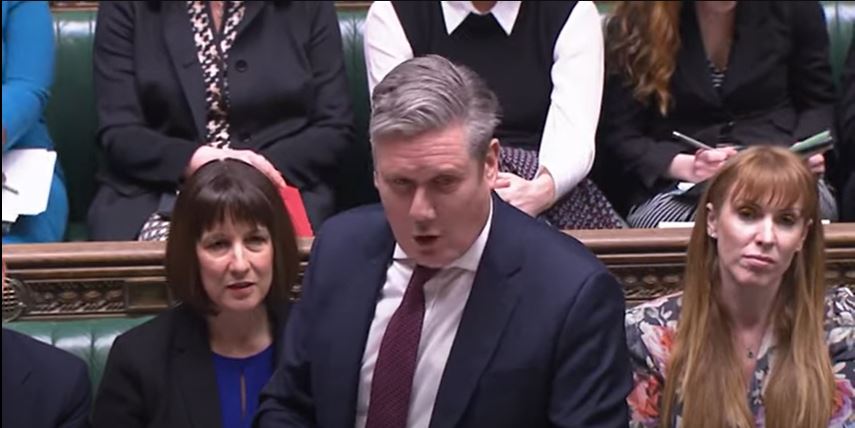
The British opposition Labour Party criticized the planned reforms of the Conservative government toward pensions. The opposition said such reforms to pensions would only benefit the country’s wealthiest.
The Labour Party said on Thursday that the planned pension reforms would only benefit the wealthiest in the country. The opposition said the reforms were “the wrong priority, at the wrong time, for the wrong people.” This follows finance minister Jeremy Hunt’s budget statement, where Hunt announced that there would not be any tax penalties on lifetime pension savings that are more than $1.2 million.
Labour said the policy meant that those with over £1.4 million in their pension would end up paying around £150,000 less in taxes, especially at a time when taxpayers who pay the basic rate are struggling with higher tax bills.
“The budget was a chance for the government to unlock Britain’s promise and potential,” said Labour’s finance minister Rachel Reeves. “But the only surprise was a £1 billion pensions bung for the one percent, a move that will widen the cost-of-living chasm.”
Hunt defended the planned changes, citing that the cost was dwarfed by £94 billion of government support for households struggling with the rising cost of living. Hunt said that the pension changes were necessary to address the shortage of doctors as some long-time senior doctors have decided to cut down their working hours or have retired early upon approaching the pension limit, adding to the strains experienced by the National Health Service.
“I don’t think it is the wrong values to support our NHS,” Hunt told BBC radio. “If you’re asking what will have an impact on ordinary families up and down the country, it is getting their NHS operation done more quickly and this is the simplest and quickest way to resolve that issue.”
Labour said it intends to provide a more targeted plan for doctors.
On the same day, the British Office for Budget Responsibility said Hunt’s new budget plans would leave him with a buffer period of only £6.5 billion for hitting the target of getting debt as a share of economic output falling in a span of five years. OBR chair Richard Hughes said Hunt gave himself more leeway in November by extending the target horizon to an additional two years.







