


 TrumpRx.gov Highlights GLP-1 Drug Discounts but Offers Limited Savings for Most Americans
  Netanyahu to Meet Trump in Washington as Iran Nuclear Talks Intensify
  Anutin’s Bhumjaithai Party Wins Thai Election, Signals Shift Toward Political Stability
  Japan Election 2026: Sanae Takaichi Poised for Landslide Win Despite Record Snowfall
  Trump Administration Appeals Court Order to Release Hudson Tunnel Project Funding
  U.S. Lawmakers to Review Unredacted Jeffrey Epstein DOJ Files Starting Monday
  Antonio José Seguro Poised for Landslide Win in Portugal Presidential Runoff
  New York Legalizes Medical Aid in Dying for Terminally Ill Patients
  Nicaragua Ends Visa-Free Entry for Cubans, Disrupting Key Migration Route to the U.S.
  Japan’s Prime Minister Sanae Takaichi Secures Historic Election Win, Shaking Markets and Regional Politics
  Federal Judge Restores Funding for Gateway Rail Tunnel Project
  Trump Signs “America First Arms Transfer Strategy” to Prioritize U.S. Weapons Sales
  U.S. to Begin Paying UN Dues as Financial Crisis Spurs Push for Reforms
  Trump’s Inflation Claims Clash With Voters’ Cost-of-Living Reality
  US Pushes Ukraine-Russia Peace Talks Before Summer Amid Escalating Attacks
  Trump Congratulates Japan’s First Female Prime Minister Sanae Takaichi After Historic Election Victory
  Israel Approves West Bank Measures Expanding Settler Land Access


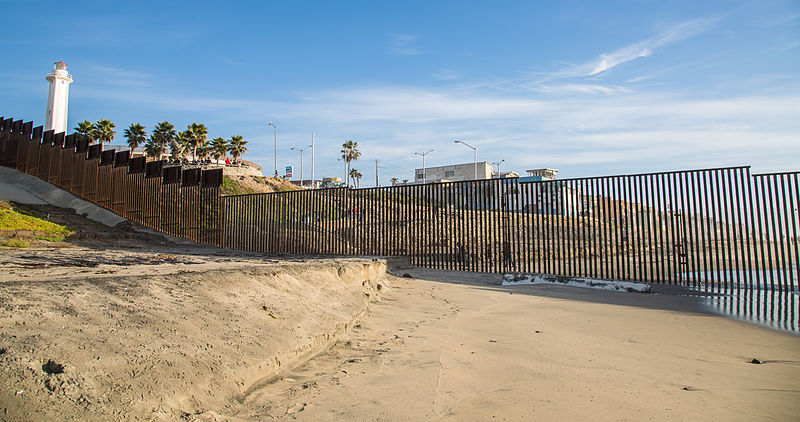
The Biden administration is sending an additional 1,500 troops to the United States-Mexico border. The additional deployment comes as the US gears for the lifting of COVID-19 border restrictions this month, anticipating a surge in illegal crossings.
The Pentagon issued a statement on Tuesday saying that it approved a request from the Department of Homeland Security to deploy additional military personnel to the southern border. The added deployment will only be in place for 90 days. A spokesperson for the Pentagon told reporters that additional troops would arrive at the border by May 10.
The DHS said in a previous statement that the additional deployment was due to the anticipated increase in attempted crossings at the border. The DHS said that while stationed there, the troops will be doing “non-law enforcement duties” such as data entry and warehouse support. The DHS said the added deployment will “free up DHS law enforcement to perform their critical law enforcement missions.”
White House Press Secretary Karine Jean-Pierre confirmed that the additional personnel will be doing “administrative tasks” and will not be interacting with immigrants or migrants. The 1,500 troops will add to the existing 2,500 National Guard members that have an ongoing deployment in the area.
Mexican President Andres Manuel Lopez Obrador told reporters that his country respects the US decision with the additional deployment.
This comes as the Biden administration has long sought to stem the influx of migrants attempting to cross the border and enter the US. President Joe Biden, who is running for re-election in 2024, has also come under increasing criticism and pressure from congressional Republicans over the border, including some Democrats.
On the same day, both US and Mexican governments said that the US will continue to accept migrants from Cuba, Haiti, Nicaragua, and Venezuela under a humanitarian program after Washington lifts the border restrictions on May 11. Mexico will continue to accept migrants that are turned away at the border on humanitarian grounds, the two countries said in a statement.
The US, on the other hand, has said it plans to ramp up deportations when the restrictions are lifted.













