


 Ohio Man Indicted for Alleged Threat Against Vice President JD Vance, Faces Additional Federal Charges
  Japan’s Prime Minister Sanae Takaichi Secures Historic Election Win, Shaking Markets and Regional Politics
  Bosnian Serb Presidential Rerun Confirms Victory for Dodik Ally Amid Allegations of Irregularities
  US Pushes Ukraine-Russia Peace Talks Before Summer Amid Escalating Attacks
  India–U.S. Interim Trade Pact Cuts Auto Tariffs but Leaves Tesla Out
  U.S. Lawmakers to Review Unredacted Jeffrey Epstein DOJ Files Starting Monday
  Trump Administration Appeals Court Order to Release Hudson Tunnel Project Funding
  Trump Allows Commercial Fishing in Protected New England Waters
  Nicaragua Ends Visa-Free Entry for Cubans, Disrupting Key Migration Route to the U.S.
  China Warns US Arms Sales to Taiwan Could Disrupt Trump’s Planned Visit
  Trump’s Inflation Claims Clash With Voters’ Cost-of-Living Reality
  Trump Slams Super Bowl Halftime Show Featuring Bad Bunny
  Sydney Braces for Pro-Palestine Protests During Israeli President Isaac Herzog’s Visit
  Netanyahu to Meet Trump in Washington as Iran Nuclear Talks Intensify
  Japan Election 2026: Sanae Takaichi Poised for Landslide Win Despite Record Snowfall
  Trump Congratulates Japan’s First Female Prime Minister Sanae Takaichi After Historic Election Victory
  Antonio José Seguro Poised for Landslide Win in Portugal Presidential Runoff


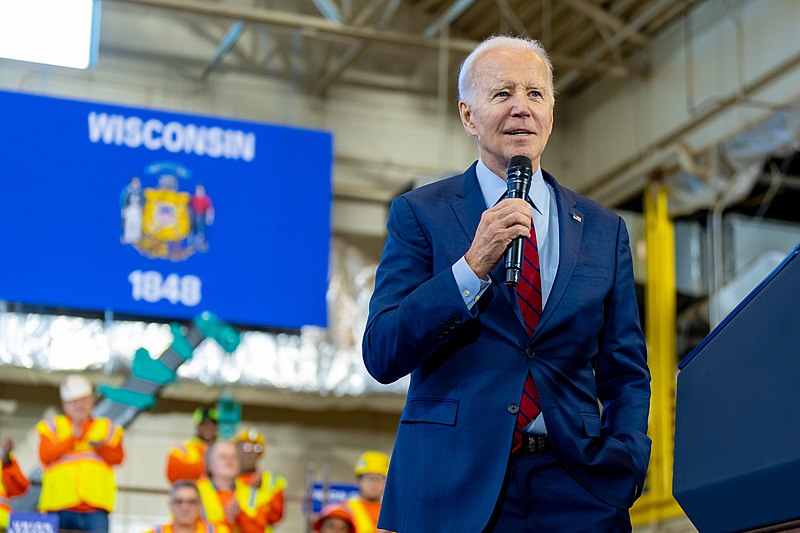
The Biden administration is set to unveil an overhaul of its arms sales policy this week. The new policy will have an increased focus on human rights.
Three state department officials familiar with the matter told Reuters that the Biden administration will be unveiling on Thursday an overhaul of its arms exports policy. The revamped policy, also called the Conventional Arms Transfer policy, will now put more emphasis on human rights.
The CAT policy covers the review of security assistance, government-to-government weapons transfers, and licensed commercial sales of US-made military equipment and services that are overseen by the State Department, the Defense Department, and the Commerce Department. This would also include firearms that are available in the United States.
Such policies are scrutinized by defense firms and activists for insight into the administration’s stance in balancing the commercial interests of exporters such as Lockheed Martin Co. and Raytheon Technologies against the country’s commitment to human rights. The CAT policy would address the possibility that arms from the US could be used to commit human rights violations, according to the officials.
In the CAT policy, new weapons transfers will not be approved if the State Department determines that the arms will “more likely than not” be used to commit or facilitate genocide, crimes against humanity, breaches of the Geneva Conventions, or violations of international law. Previous CAT policy said arms transfers would not be authorized only when Washington had “actual knowledge” that the arms would be used in committing such actions.
The officials did not say which countries the new CAT policy may affect.
Meanwhile, the Biden administration announced that it would be choosing 11 organizations across the country to administer $550 million in grants to disadvantaged communities to reduce legacy pollution and gaining access to clean energy.
The Environmental Protection Agency will be funding the organizations, which include non-profit groups, tribal nations, and universities that will become grantmakers for the new Environmental Justice Thriving Communities Grantmaking program that aims to invest in community-led projects in areas that have long suffered air and water pollution.
The funds are part of a $3 billion provision for environmental justice grants that are authorized by Congress through the Inflation Reduction Act.













