


 Trump Endorses Japan’s Sanae Takaichi Ahead of Crucial Election Amid Market and China Tensions
  Pentagon Ends Military Education Programs With Harvard University
  U.S. Announces Additional $6 Million in Humanitarian Aid to Cuba Amid Oil Sanctions and Fuel Shortages
  Trump Signs “America First Arms Transfer Strategy” to Prioritize U.S. Weapons Sales
  U.S.-India Trade Framework Signals Major Shift in Tariffs, Energy, and Supply Chains
  Jack Lang Resigns as Head of Arab World Institute Amid Epstein Controversy
  Trump Lifts 25% Tariff on Indian Goods in Strategic U.S.–India Trade and Energy Deal
  Federal Judge Restores Funding for Gateway Rail Tunnel Project
  India–U.S. Interim Trade Pact Cuts Auto Tariffs but Leaves Tesla Out
  Trump Backs Nexstar–Tegna Merger Amid Shifting U.S. Media Landscape
  US Pushes Ukraine-Russia Peace Talks Before Summer Amid Escalating Attacks
  Japan Election 2026: Sanae Takaichi Poised for Landslide Win Despite Record Snowfall
  South Korea Assures U.S. on Trade Deal Commitments Amid Tariff Concerns
  Trump Signs Executive Order Threatening 25% Tariffs on Countries Trading With Iran
  New York Legalizes Medical Aid in Dying for Terminally Ill Patients
  Nighttime Shelling Causes Serious Damage in Russia’s Belgorod Region Near Ukraine Border
  U.S. to Begin Paying UN Dues as Financial Crisis Spurs Push for Reforms


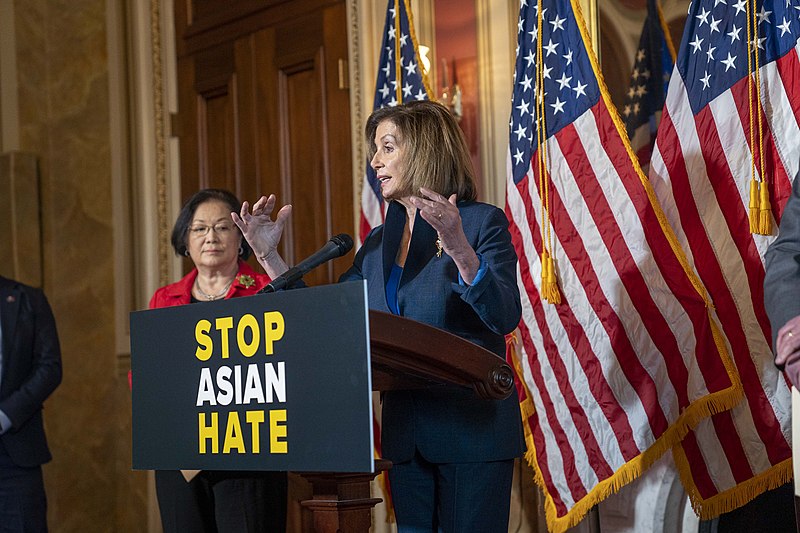
The United States has increasingly stepped up its engagement with Taiwan, especially at a time when tensions are rife with China, which claims the island nation as part of the mainland. US House Speaker Nancy Pelosi is expected to be visiting Taiwan next month.
In a report by the Financial Times, Pelosi, the top House Democrat, is planning on visiting Taiwan in August, according to six people familiar with the matter.
Pelosi’s possible visit also comes as China has been engaging in a pressure campaign to force the island and its democratic government to accept Beijing’s sovereignty. This has also caused strains in ties between the US and China.
Washington was reportedly divided on whether Pelosi should visit the island nation, according to two people familiar with the matter.
The plans of the visit have predictably drawn the ire of Beijing, which has criticized every visit of officials of foreign governments to Taiwan.
China’s foreign ministry said Tuesday that Pelosi’s visit to the island nation would undermine Beijing’s so-called sovereignty and territorial integrity and that the US should deal with the consequences.
Speaking at a press briefing, China’s foreign ministry spokesperson Zhao Lijian said China would take strong measures to secure its sovereignty and territorial integrity.
Taiwanese President Tsai Ing-wen has long reiterated that only the people of Taiwan can decide their future, resisting Beijing’s rhetoric. Over the weekend, Tsai launched her party’s campaign for the island’s local elections that will take place in November.
During the annual congress of the governing Democratic Progressive Party, Tsai said that the post-pandemic era was full of challenges and opportunities, citing the global issue of inflation and Russia’s invasion of Ukraine.
“But we can remain confident in ourselves. Taiwan’s economic fundamentals are good, and many industries have also grasped a key strategic position in the process of global supply chain restructuring,” said Tsai, who also expressed optimism when pressed if the DPP would maintain its majorities.
Taiwanese Premier Su Tseng-chang criticized China’s “rude and unreasonable pressure,” quoting Tsai as saying that the Taiwanese people will not give in to the pressure from Beijing.













