


 Iran's Supreme Leader Vows Revenge as Trump Threatens Massive U.S. Military Response
  DOJ Subpoenas New York Times Journalists Over Air Force One Leak Report
  Iraq PM Visits Washington as U.S. Oil, Gas Deals Take Center Stage
  Iran Says It Closes Strait of Hormuz After Warning Shot at Vessel
  Israeli Strikes Kill Six in Gaza as Ceasefire Talks Continue in Cairo
  Ukraine, Europe Launch Freyja Missile Shield to Strengthen Air Defense Against Russia
  Israel Sets October 27 Election as Netanyahu Faces Tough Political Test
  Trump, Canada Reach Gordie Howe Bridge Deal Ahead of July 27 Opening
  Republican Senator Lindsey Graham Dies at 71, Leaving South Carolina Senate Seat Vacant
  HHS Watchdog Reports $5.56 Billion in Healthcare Fraud Recoveries as Enforcement Actions Decline
  Brazil Court Bars Flavio Bolsonaro From Visiting Jair Bolsonaro Ahead of Election
  US-Iran Strikes Escalate as Strait of Hormuz Crisis Pushes Oil Prices Higher
  UN Says Hamas Disrupted Gaza Aid Distribution, Group Denies Allegations
  Russia Launches Missile and Drone Attacks on Kyiv, Zaporizhzhia, and Kharkiv
  Trump Recommends Darline Graham for Interim South Carolina Senate Seat
  Zelenskiy Plans Ukraine Government Shake-Up as Prime Minister Svyrydenko Set to Step Down
  EU to Propose New Rules Limiting Children's Access to Social Media


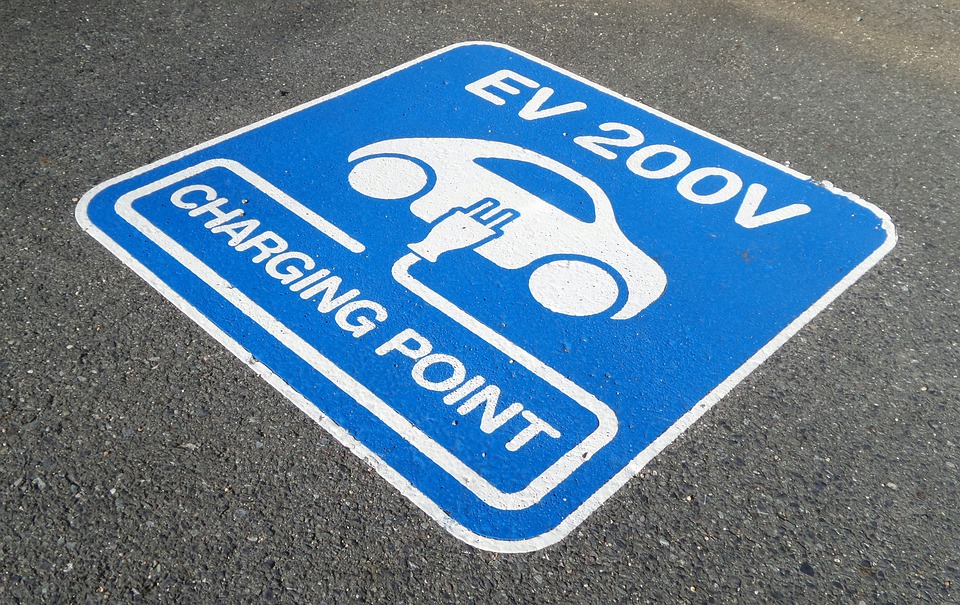
The United States Transportation Department has approved the plans for electric vehicle charging stations nationwide. All 50 states would have EV charging stations, including Washington DC and Puerto Rico.
The Transportation Department said Tuesday it has approved the plans for EV charging stations in all 50 states, including DC and Puerto Rico. The plans would cover around 120,700 kilometers of highways.
The funding is coming from the Bipartisan Infrastructure Law, which has a $5 billion provision for states to install EV charging stations along interstate highways in a span of five years.
The department said states would now have access to over $1.5 billion in funds to install EV chargers. The approval follows the announcement by the White House earlier this month, that 35 of the 50 state plans were approved at the time.
“We’re not going to dictate to the states how to do this, but we do need to make sure that they meet basic standards,” said Transportation Secretary Pete Buttigieg earlier this year.
The agency said states should fund the DC Fast Chargers; stations that have at least four ports that can simultaneously charge four EVs – and install EV charging infrastructure every 50 miles along interstate highways and be located within one mile of highways.
80 percent of EV charging costs are made up of federal funds, while private or state funds make up the remaining 20 percent.
President Joe Biden has sought to have 50 percent of all vehicles sold in the country be electric or hybrid electric models by 2030, along with 500,000 EV charging stations. However, Biden has not endorsed phasing out gas-powered vehicle sales by 2035.
The country’s regulators fined 16 financial companies an overall $1.8 billion after their staff discussed deals and trades on their personal devices. The companies include Goldman Sachs, Barclays, Bank of America, Citigroup, Credit Suisse, Morgan Stanley, and UBS, among others.
This is seen as a landmark case for the Securities and Exchange Commission and the Commodity Futures Trading Commission, marking one of the largest collective resolutions by the panels.
The agencies said that from January 2018 until the end of September 2021, the staff of the banks involved was routinely communicating about business matters with colleagues, clients, and other third-party advisers using their personal devices, including text messages and the WhatsApp platform.







