


 Federal Judge Restores Funding for Gateway Rail Tunnel Project
  Trump Backs Nexstar–Tegna Merger Amid Shifting U.S. Media Landscape
  U.S. Lawmakers to Review Unredacted Jeffrey Epstein DOJ Files Starting Monday
  Trump Lifts 25% Tariff on Indian Goods in Strategic U.S.–India Trade and Energy Deal
  Netanyahu to Meet Trump in Washington as Iran Nuclear Talks Intensify
  New York Legalizes Medical Aid in Dying for Terminally Ill Patients
  Trump Allows Commercial Fishing in Protected New England Waters
  Jack Lang Resigns as Head of Arab World Institute Amid Epstein Controversy
  TrumpRx.gov Highlights GLP-1 Drug Discounts but Offers Limited Savings for Most Americans
  Trump’s Inflation Claims Clash With Voters’ Cost-of-Living Reality
  Trump Signs “America First Arms Transfer Strategy” to Prioritize U.S. Weapons Sales
  US Pushes Ukraine-Russia Peace Talks Before Summer Amid Escalating Attacks
  U.S. Announces Additional $6 Million in Humanitarian Aid to Cuba Amid Oil Sanctions and Fuel Shortages
  Missouri Judge Dismisses Lawsuit Challenging Starbucks’ Diversity and Inclusion Policies
  Norway Opens Corruption Probe Into Former PM and Nobel Committee Chair Thorbjoern Jagland Over Epstein Links
  China Warns US Arms Sales to Taiwan Could Disrupt Trump’s Planned Visit


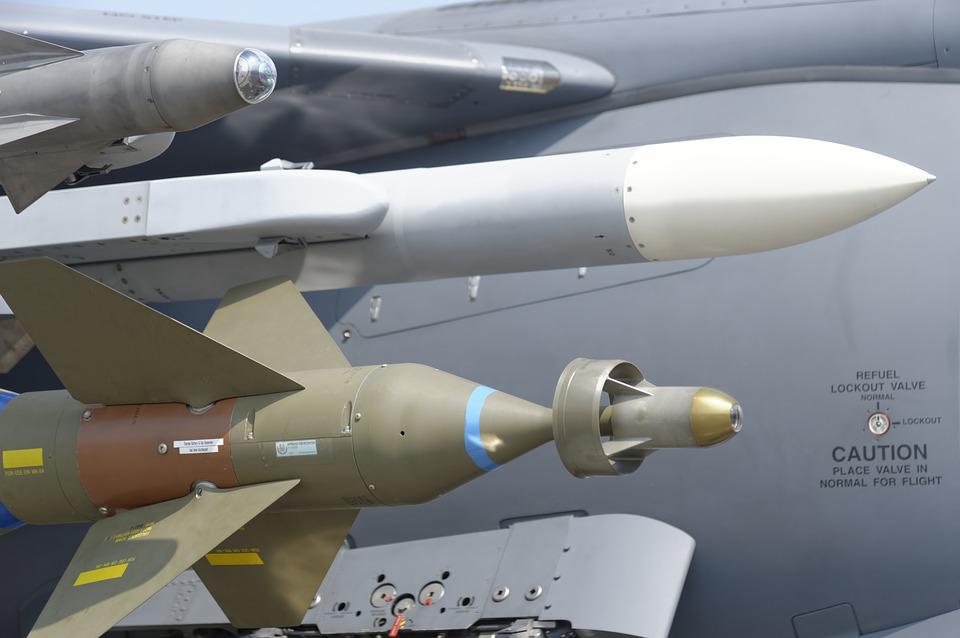
The United States announced last week that it had approved the potential $1.1 billion sale of arms to Taiwan. The arms sale comes amidst tensions between the US and China over the island nation.
The Pentagon’s Defense Security Cooperation Agency announced the details of the possible sale Friday last week. The $1.1 billion arms package to Taiwan includes 60 anti-ship missiles, 100 air-to-air missiles, and contractor logistics support for a surveillance radar program. The US State Department approved the sale.
Even as the State Department has approved the potential sale, Congress may still disapprove. However, Taiwan has strong bipartisan support from lawmakers of both parties which would make disapproval unlikely.
The State Department spokesperson said the package was important for the security of Taiwan.
“These proposed sales are routine cases to support Taiwan’s continuing efforts to modernize its armed forces and to maintain a credible defensive capability,” said the spokesperson.
The Pentagon’s announcement comes amidst strained relations with China over Taiwan. China claims Taiwan as its territory including the Taiwan Strait. Beijing called for Washington to revoke the sale.
To note, the US is legally bound to provide arms to the island nation, with President Joe Biden previously saying that Washington would respond with force should Taiwan be attacked.
Taiwan’s defense ministry thanked the US, saying that China’s latest provocations posed a serious threat and the arms sale would help the democratically-governed island nation to counter China’s military pressure campaign.
Tensions over the island nation flared following the visit of US House Speaker Nancy Pelosi to Taiwan, defying China’s threats to the US not to go.
Last week, Taiwanese premier Su Tseng-chang said the island’s decision to shoot down a drone off the Chinese coast that flew over a Taiwan-controlled island was the appropriate response.
The Taiwanese military shot down what would be the first unidentified civilian drone that entered its airspace through the Kinmen Islands which it controls.
Speaking to reporters Friday, Su said Taiwan repeatedly issued warnings and asked not to make an incursion on its airspace. Su added that China should exercise restraint.
“We will never provoke, and we will do the most appropriate thing to protect our land and our people,” said Su.













