


 Norma Group Posts Revenue Decline in 2025, Eyes Modest Recovery in 2026
  South Korea's Inflation Rises Modestly in March Amid Oil Price Pressures
  TSMC Japan's Second Fab to Produce 3nm Chips by 2028
  Rubio Directs U.S. Diplomats to Use X and Military Psyops to Counter Foreign Propaganda
  Microsoft Eyes $7B Texas Energy Deal to Power AI Data Centers
  Annie Altman Amends Sexual Abuse Lawsuit Against OpenAI CEO Sam Altman
  Trump's Iran War Speech Sparks Market Anxiety Over Extended Conflict
  KPMG UK Cuts 440 Audit Jobs Amid Low Attrition and Cooling Professional Services Demand
  U.S. Job Market Braces for Slow Recovery Amid Middle East Tensions and Economic Uncertainty
  China's Services Sector Maintains Growth Streak Despite March Slowdown
  Asian Stocks Surge on Trump's Iran War Comments and Dip-Buying
  Bank of Japan Eyes Further Rate Hikes Amid Middle East Tensions and Inflation Pressures
  RBI Clamps Down on Rupee NDF Activity, Banks Face Steeper Losses
  Elon Musk Ties SpaceX IPO Access to Mandatory Grok AI Subscriptions
  SoftwareONE Posts 22.5% Revenue Surge in 2025 on Crayon Acquisition
  Apple Turns 50: From Garage Startup to AI Crossroads
  McDonald's and Restaurant Brands International Face Headwinds Amid Iran Conflict and Rising Costs


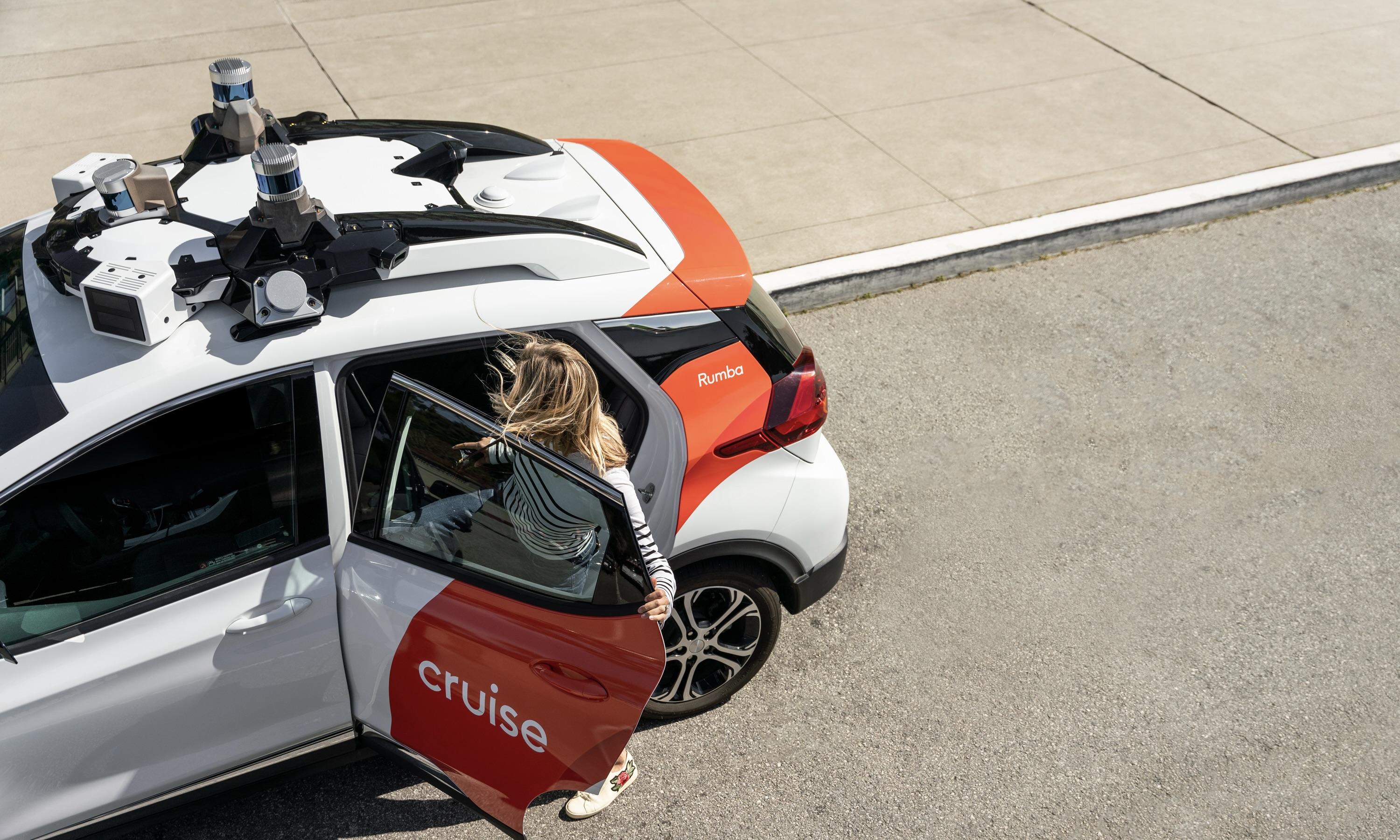
The decision on General Motors' Cruise self-driving technology unit's petition to deploy up to 2,500 self-driving vehicles annually without human controls will soon be made by U.S. regulators. Ann Carlson, the acting Administrator of the National Highway Traffic Safety, announced this on Wednesday.
The petition, filed in February 2022, seeks government approval to deploy vehicles annually without traditional components like steering wheels, mirrors, turn signals, or windshield wipers. According to Carlson, the crux lies in determining whether computer-driven vehicles should adhere to safety standards designed primarily for human drivers. These standards include features such as mirrors, sun visors, windshield wipers, and more.
Cruise, however, declined to comment on the matter. Presently, they offer a limited service in San Francisco, utilizing a small fleet of Chevrolet Bolt vehicles equipped with driverless technology. They aim to deploy the Origin vehicle, which boasts subway-like doors and lacks steering wheels.
In 2018, General Motors petitioned the NHTSA to permit the use of a Chevrolet Bolt vehicle on U.S. roads, one that lacked both steering wheels and brake pedals. Nonetheless, in 2020, the petition was withdrawn after receiving no response from the agency.
The NHTSA can also grant autonomous vehicles (AVs) exemptions solely for research and demonstration purposes. Carlton revealed that they seek to establish a new program to provide greater transparency regarding AV safety and deployment, ensuring public confidence in their oversight of AV deployment on public streets.
Meanwhile, Congress has deliberated for quite some time on whether to enact legislation concerning self-driving cars. A U.S. House of Representatives subcommittee plans to hold a hearing later this month.
In 2017, the House passed legislation to accelerate the adoption of self-driving vehicles. This legislation also aimed to prevent states from imposing their own performance standards and to expand the deployment of exemption-approved vehicles. However, the measure failed to pass the Senate.
Furthermore, in December, the NHTSA initiated a formal safety probe into Cruise's autonomous driving system. This followed reports of two rear-end crashes resulting in injuries. The NHTSA expressed concern that Cruise vehicles might engage in inappropriate hard braking or become immobilized.
Photo: Cruise Media







