


 TrumpRx Website Launches to Offer Discounted Prescription Drugs for Cash-Paying Americans
  DBS Expects Slight Dip in 2026 Net Profit After Q4 Earnings Miss on Lower Interest Margins
  Toyota’s Surprise CEO Change Signals Strategic Shift Amid Global Auto Turmoil
  Once Upon a Farm Raises Nearly $198 Million in IPO, Valued at Over $724 Million
  Weight-Loss Drug Ads Take Over the Super Bowl as Pharma Embraces Direct-to-Consumer Marketing
  OpenAI Expands Enterprise AI Strategy With Major Hiring Push Ahead of New Business Offering
  FDA Targets Hims & Hers Over $49 Weight-Loss Pill, Raising Legal and Safety Concerns
  Nvidia, ByteDance, and the U.S.-China AI Chip Standoff Over H200 Exports
  American Airlines CEO to Meet Pilots Union Amid Storm Response and Financial Concerns
  Sony Q3 Profit Jumps on Gaming and Image Sensors, Full-Year Outlook Raised
  Prudential Financial Reports Higher Q4 Profit on Strong Underwriting and Investment Gains
  Samsung Electronics Shares Jump on HBM4 Mass Production Report
  Amazon Stock Rebounds After Earnings as $200B Capex Plan Sparks AI Spending Debate
  Anta Sports Expands Global Footprint With Strategic Puma Stake
  SpaceX Pivots Toward Moon City as Musk Reframes Long-Term Space Vision
  Indian Refiners Scale Back Russian Oil Imports as U.S.-India Trade Deal Advances


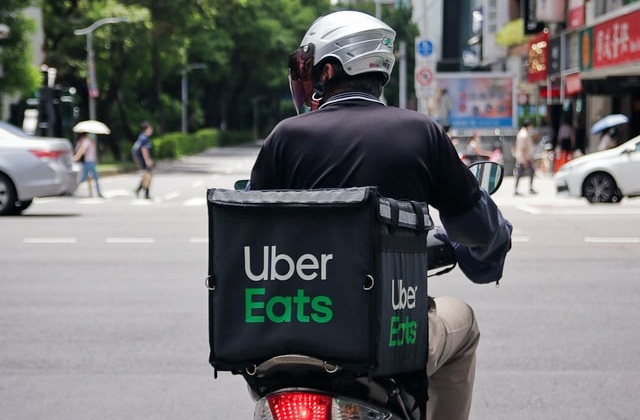
Uber revealed that it is buying Drizly for $1.1 billion. Once the deal is completed, the American ride-hailing and food delivery service company will combine its newly acquired alcohol delivery service with its own Uber Eats App.
Uber sees the acquisition as one way for the company to broaden its reach
It was revealed that the payment was in cash and stock, and the transaction is almost done. The transaction still has some little things to fix, and it is expected to be completed in the first half of this year.
This means that the public will soon see Drizly as an option when using the Uber Eats application. While the alcohol e-commerce and delivery platform will be integrated with Uber Eats, it was clarified that it will remain a standalone app.
“Wherever you want to go and whatever you need to get, our goal at Uber is to make people’s lives a little bit easier,” Uber’s chief executive officer Dara Khosrowshahi said in a press release. “That’s why we’ve been branching into new categories like groceries, prescriptions and, now, alcohol.”
She added, “By bringing Drizly into the Uber family, we can accelerate that trajectory by exposing Drizly to the Uber audience and expanding its geographic presence into our global footprint in the years ahead,”
About Drizly
Drizly is an e-commerce platform that allows customers to order various spirits, wines, beers, and other alcoholic drinks directly from retailers. The items are then delivered to the buyers’ addresses.
This alcohol delivery service was also being referred to as “Amazon for liquor,” and it was founded in 2012. CNBC reported that it offers the service in 1,400 cities across the states. With its current reach and customers, it was noted that Drizly will be able to help drive more people to use Uber’s delivery app.
Finally, with Drizly on board, the Uber Eats app is predicted to dramatically soar in terms of the number of users. Uber was also affected by the COVID-19 pandemic, and with the new segment, it may bounce back faster as the demands for alcohol always remain high.













