


 Federal Judge Restores Funding for Gateway Rail Tunnel Project
  Trump Lifts 25% Tariff on Indian Goods in Strategic U.S.–India Trade and Energy Deal
  Iran–U.S. Nuclear Talks in Oman Face Major Hurdles Amid Rising Regional Tensions
  Trump Signs Executive Order Threatening 25% Tariffs on Countries Trading With Iran
  NATO to Discuss Strengthening Greenland Security Amid Arctic Tensions
  U.S. Lawmakers to Review Unredacted Jeffrey Epstein DOJ Files Starting Monday
  TrumpRx.gov Highlights GLP-1 Drug Discounts but Offers Limited Savings for Most Americans
  Marco Rubio Steps Down as Acting U.S. Archivist Amid Federal Law Limits
  Norway Opens Corruption Probe Into Former PM and Nobel Committee Chair Thorbjoern Jagland Over Epstein Links
  Ohio Man Indicted for Alleged Threat Against Vice President JD Vance, Faces Additional Federal Charges
  Pentagon Ends Military Education Programs With Harvard University
  Trump Rejects Putin’s New START Extension Offer, Raising Fears of a New Nuclear Arms Race
  New York Legalizes Medical Aid in Dying for Terminally Ill Patients
  Ukraine-Russia Talks Yield Major POW Swap as U.S. Pushes for Path to Peace
  UAE Plans Temporary Housing Complex for Displaced Palestinians in Southern Gaza
  U.S. to Begin Paying UN Dues as Financial Crisis Spurs Push for Reforms


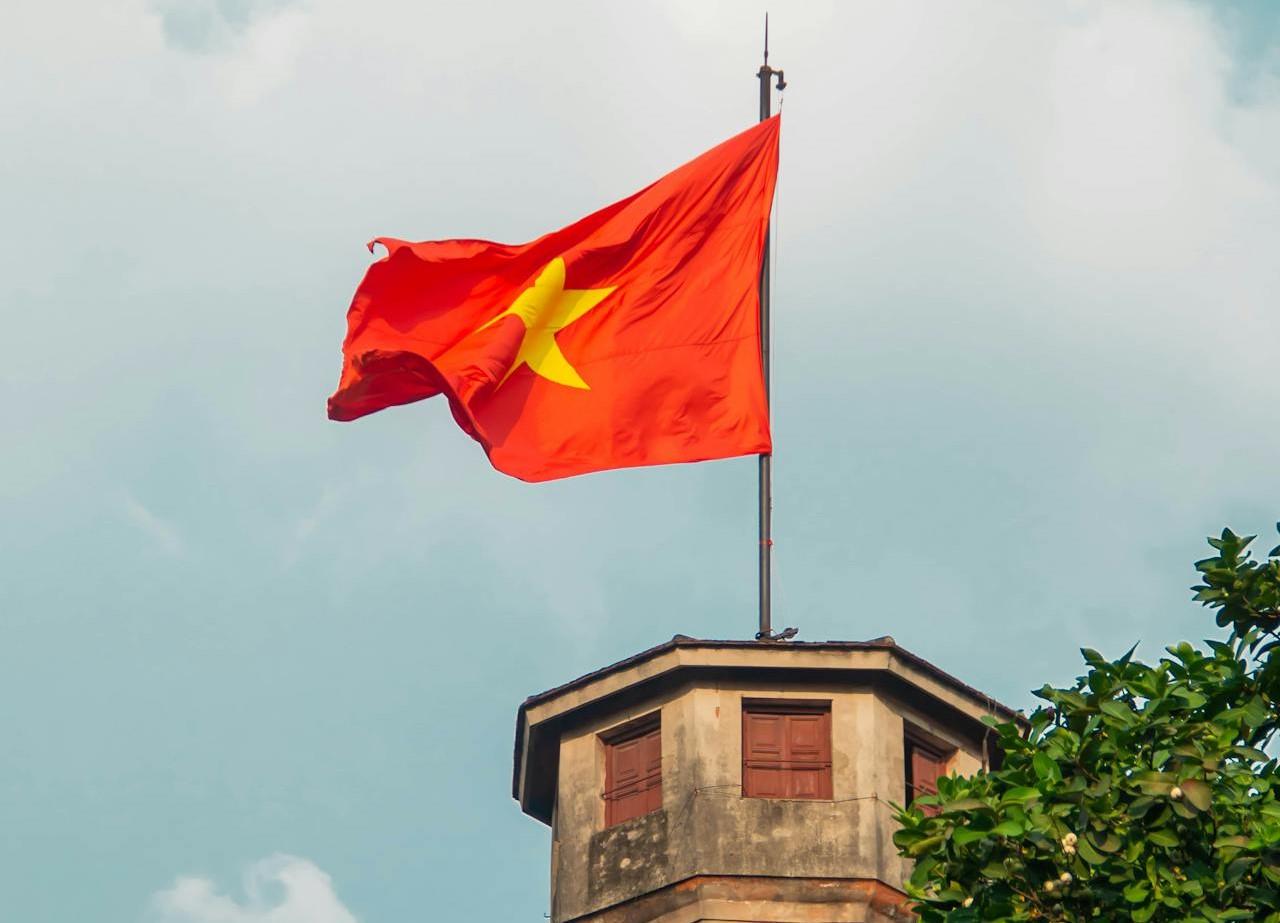
Hundreds of delegates from Vietnam’s ruling Communist Party are gathering in Hanoi under tight security for a pivotal week-long congress that will determine the country’s top leadership and set economic and security priorities for the rest of the decade. Held every five years, the congress operates behind closed doors and plays a decisive role in the governance of the single-party state.
Around 1,600 delegates, representing more than 5.6 million party members nationwide, will elect a new 200-member Central Committee. This body will then select between 17 and 19 members of the powerful Politburo, from which the party’s general secretary is chosen. The congress is widely expected to confirm To Lam, 68, as general secretary, consolidating his position as Vietnam’s most powerful leader, though officials note that surprises remain possible. Decisions on other top roles, including the presidency, are expected to follow at later meetings.
To Lam rose to the party’s top post after the death of his predecessor Nguyen Phu Trong in July 2024. Since then, he has been seen as a bold and risk-taking leader. He has pushed through sweeping bureaucratic reforms, cutting tens of thousands of public-sector jobs to streamline decision-making and speed up investment approvals. While the long-term impact is still being assessed, the changes have already shortened timelines for some major projects.
His leadership also marks a shift from the aggressive anti-corruption campaign that dominated the previous era. While still emphasizing discipline, Lam has scaled back measures that had slowed governance and led to the removal of several senior officials, including two former presidents. At the same time, he has launched ambitious infrastructure and economic initiatives, boosting Vietnam’s appeal to foreign investors but raising concerns about transparency and waste.
The congress will also finalize a policy resolution expected to prioritize national security and economic growth. A draft released earlier targets at least 10% annual growth over the next five years, up from the previously missed 6.5% to 7% goal. Security, defense, diplomacy, and environmental protection are all expected to feature prominently as Vietnam navigates a more volatile global environment.













