


 Morgan Stanley Says China’s Reusable Rocket Progress Poses Long-Term Challenge to SpaceX
  OpenAI GPT-5.6 Set for Wider Release After U.S. Commerce Approval, Report Says
  SK Hynix Prices Record U.S. ADR Offering at $149 After $200 Billion Investor Demand
  Bain Capital Exits Kioxia After AI-Fueled Valuation Surge
  Nvidia Invests $500M in Firmus Technologies Ahead of Planned ASX IPO
  Yaskawa Electric Shares Slide as Weak Profit Overshadows Strong AI Demand
  DeepSeek Eyes China IPO as AI Startup Seeks $71 Billion Valuation in New Funding Round
  Trump Administration Launches AI Cybersecurity Partnership to Protect Critical Infrastructure
  Chinese Chip Stocks Jump as Apple Reportedly Tests CXMT Memory Chips for China Devices
  Wolfspeed Sues Navitas Over GaN and SiC Patent Infringement
  Zhipu AI Raises HK$31.37 Billion in Discounted Share Sale to Accelerate AI Growth
  Samsung to Launch First Yongin Chip Plant by 2029 as South Korea Speeds Up Semiconductor Hub
  Elon Musk Says Anthropic Leads AI Race as Claude Models Challenge OpenAI
  Arm Stock Falls After HSBC Downgrade, Citing Limited Near-Term AI Upside
  TSMC Q2 Revenue Surges 36% as AI Chip Demand Powers Growth Ahead of Earnings


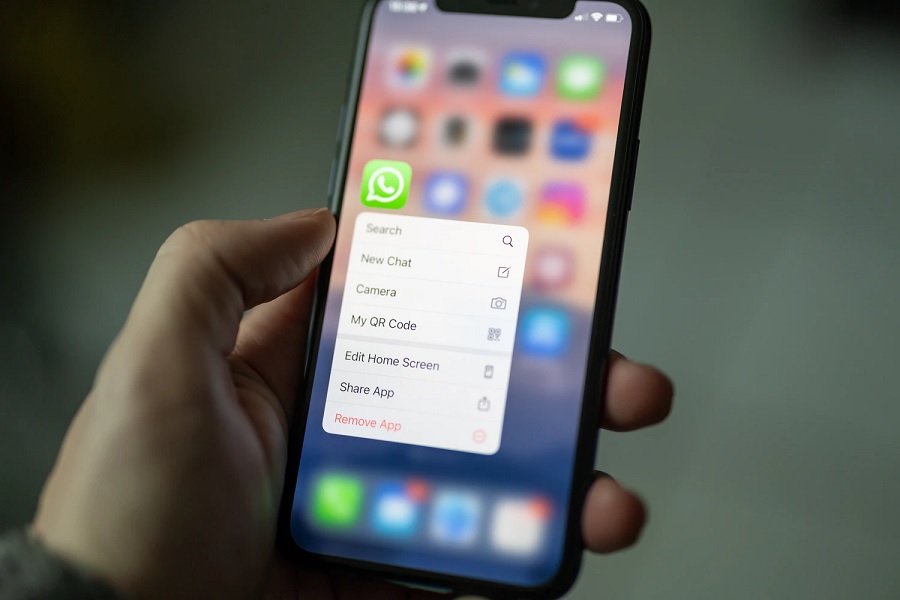
WhatsApp’s controversial change of policies is back on the headlines as it is going to be implemented a few days from now. Users can expect to have access to “limited functionality” for the next few weeks after May 15 should they still refuse to agree to the new terms of using the app.
‘Limited functionality’ awaits those who refuse WhatsApp’s new policy on May 15
The guidelines for WhatsApp users who have yet to accept the new privacy policy to be in full effect later this week have changed. Instead of immediately losing access to the app’s services and risk having their accounts be tagged as inactive, WhatsApp says users can expect “limited functionality” once the changes are implemented.
By limited functionality, WhatsApp means users will not be able to access their chat list, but they can still receive phone and video calls. They can also read and reply to incoming messages or return missed calls directly through notifications. It appears to mean that these functions are not accessible through the typical process of opening the app and selecting specific contacts to make a call or send messages.
In the weeks following May 15, WhatsApp users can also expect the reminder to accept the new policy to “become persistent.” However, incoming calls and notifications will eventually become unavailable “after a few weeks of limited functionality.” After this unspecified period, the messaging app says, “WhatsApp will stop sending messages and calls to your phone.”
These guidelines are quite different from what WhatsApp announced last February. At the time, the company noted that not accepting the new policy on May 15 would have immediately led to the loss of functionality. Users would have been able to receive call and messages notification but without the ability to respond to any of them.
WhatsApp says non-compliance won’t lead to account deletion
WhatsApp also clarified that accounts will not be deleted for not accepting the new policy on the deadline this week. However, the revised guideline still noted that its policy on “inactive users” will apply to those who will not agree to the changes.
It is not clear, though, if at which point WhatsApp users will be considered inactive. It is also worth noting that the separate policy on inactive users states: “WhatsApp accounts are generally deleted after 120 days of inactivity.” Following the latest announcement, an account’s inactivity state could be inevitable once users lost “limited functionality” altogether.
Photo by Dimitri Karastelev on Unsplash







