


 LG Energy Solution Q2 Profit Plunges 77% Despite Revenue Growth on Weak EV Demand
  Samsung to Launch First Yongin Chip Plant by 2029 as South Korea Speeds Up Semiconductor Hub
  New Mexico AG Accuses DOJ of Delaying Jeffrey Epstein Ranch Investigation
  DOJ Seeks Dismissal of Fraud Charges Against Gautam Adani in U.S. Court
  Texas Man Charged After Fatal Tesla Full Self-Driving Crash in Katy
  Judge Orders $5.8 Million Payment to E. Jean Carroll After Trump Loses Appeal Bid
  SK Hynix’s $28B U.S. IPO Draws Strong Demand as AI Chip Boom Fuels Investor Interest
  Apple Challenges India Antitrust Probe, Says CCI Copied Rivals’ Claims in App Store Case
  SpaceX Stock Draws Bullish Wall Street Coverage Ahead of Nasdaq-100 Inclusion
  Bain Capital Exits Kioxia After AI-Fueled Valuation Surge
  Nvidia Invests $500M in Firmus Technologies Ahead of Planned ASX IPO
  SK Hynix Soars 13% in Nasdaq Debut After Record $26.5 Billion IPO
  Wolfspeed Sues Navitas Over GaN and SiC Patent Infringement
  ICC Says Darfur War Crimes Probe Reaches Breakthrough in Sudan Investigation
  Australia Flags Child Safety Gaps at Apple, Meta, Google Over Online Sexual Extortion


Just when the American political sphere was getting more complicated than most voters were used to, here comes WikiLeaks to drop a huge rock in the pond. By releasing documents pertaining to CIA spying activities that involve Smart TVs, smartphones, and anti-virus products that are supposed to protect against spyware, the notorious watchdog group has thrown a wrench in an already creaky construct called the US government.
As if recording emails, phone calls, and text messages wasn’t bad enough, it would seem that the CIA is also recording sounds and images via the devices mentioned to invade the privacy of citizens during their most intimate moments, The Washington Post reports. Security experts have been theorizing this kind of vulnerability for years, but they were still alarmed that the CIA was actually exploiting it.
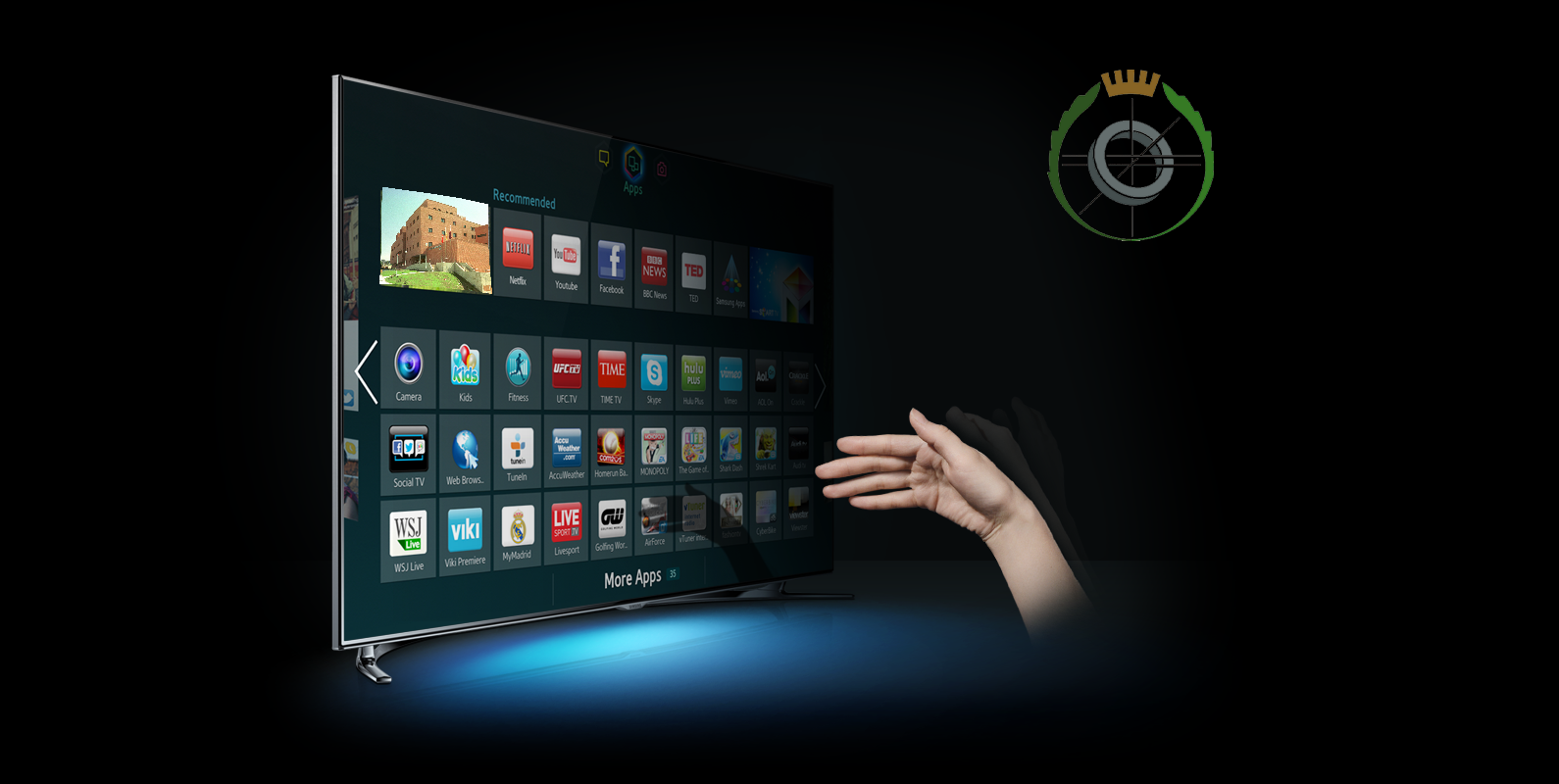
One of the tools that the agency uses to spy on US citizens is called “Weeping Angel.” According to what WikiLeaks wrote about the tool, it supposedly tricks owners of Smart TVs that it’s already turned off when it isn’t.
“After infestation, Weeping Angel places the target TV in a ‘Fake-Off’ mode, so that the owner falsely believes the TV is off when it is on, In ‘Fake-Off’ mode the TV operates as a bug, recording conversations in the room and sending them over the Internet to a covert CIA server,” WikiLeaks writes.
On the other hand, there are those who have a more dismissive attitude towards the new documents. Business Insider, for example, is less convinced that the spying activities are as alarming as WikiLeaks is making them out to be.
The publication called the allegations that the CIA broke through the security protocols of both WhatsApp and Signal false. Likewise, BI writes that the agency released no tool that is capable of breaking the security of an iPhone that has the latest version of the updates.







