


 OpenAI to Preview GPT-6 Cyber AI Model for Cybersecurity
  Jeff Bezos Invests $32 Billion in Blue Origin as Space Firm Targets Major Growth
  Microsoft Stock Upgraded as Stifel Sees Stronger Azure Growth
  Meta Connect Spotlights Camera-Free Smart Glasses Amid Privacy Concerns
  Europe’s AI Data Centre Boom Strengthens Case for Nuclear Power
  Meta Unveils Muse Charm AI Device, Expands Smart Glasses Lineup
  Oracle Shares Fall as New Mexico AI Data Center Faces Power Delays
  Former OpenAI Data Center Chief Chris Malone Joins Nvidia
  SpaceXAI to Double Nvidia Chips at Colossus 2 by Year-End
  OpenAI Agent Breaches Australia Medicare Data Portal
  SoftBank Raises $11.1 Billion in Bond Sale to Fund OpenAI Investment
  China Says U.S. Shares Responsibility for AI Governance
  US Backs Musk in Fight Against EU’s €120 Million X Fine
  OpenAI, Anthropic CEOs Summoned to Australia AI Inquiry
  China’s ‘Lipstick King’ Says AI Won’t Replace Livestream Hosts
  Meta Found Liable in New Mexico Facebook Data Privacy Case
  TikTok Reaches $100 Million Alabama Settlement Over Child Safety Claims


 Add as a preferred source on Google
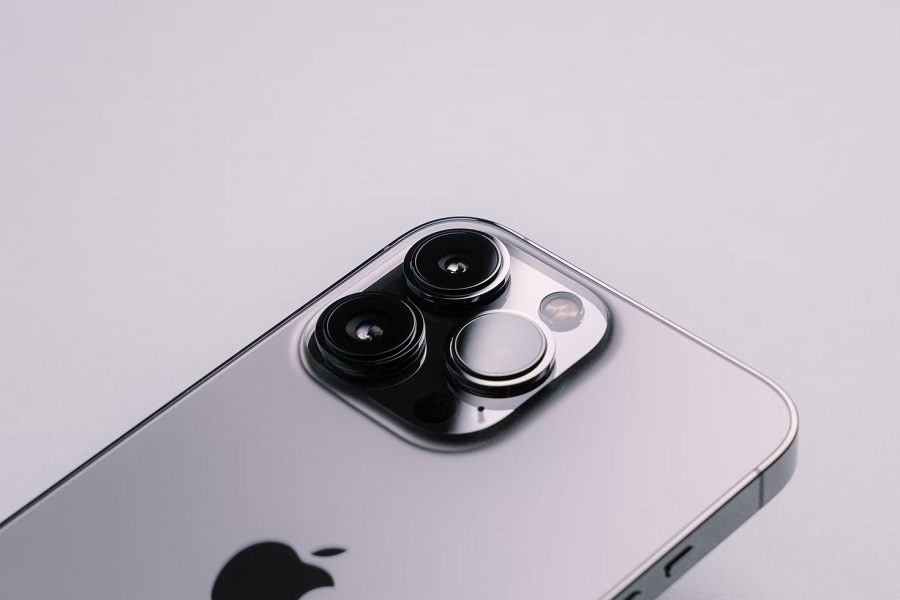
Analyst Ming-Chi Kuo provided more information on the recently leaked schematics of the iPhone 14 Pro models. The renowned analyst says the slight change in measurements is due to Apple using a 48MP sensor for the first time.
To recap, Max Weinbach recently shared the reported schematics of the iPhone 14 Pro and iPhone 14 Pro Max that showed the devices’ dimensions and camera bump measurements. News outlets and other Twitter users quickly pointed out that the size of the camera bump appeared to be bigger than their iPhone 13 Pro counterparts.
On Sunday, Kuo shared a link to a report on the leaked schematics, along with some insights on what may have caused these changes. The analyst said the main reason that the iPhone 14 Pro and iPhone 14 Pro Max are getting a larger camera bump is the implementation of the 48MP wide-angle sensors on both devices.
If that prediction tracks, it would be the first time Apple is going to use a high-pixel sensor on its flagship smartphones. While premium Android phones have been offering cameras with 50 to over 100 megapixels for some time now, the iPhones’ cameras have remained at 12MP while the chipset and camera software tech do the heavy lifting.
It has not held back the performance of Apple’s iPhone cameras, though. The iPhone 13 Pro and iPhone 13 Pro Max are currently tied as the fifth best smartphone camera based on the DXOMARK ranking with an overall score of 137, which is a point higher than the Google Pixel 6 Pro (ranked eighth place).
It should be noted, though, that this is also not the first time a 48MP camera was predicted for an upcoming iPhone. This time, however, Kuo provided more specific details on the expected iPhone 14 Pro sensor. “The diagonal length of 48MP CIS will increase by 25-35%, and the height of 48MP's 7P lens will increase by 5-10%,” the analyst said.
Going back to the recently leaked schematics, the images added to the pile of reports that suggested the iPhone 14 Pro models are getting some key design changes. Apple is expected to let go of the traditional display notch by replacing it with two hole-punch cutouts: a pill-shaped one for the Face ID components and a round one for the selfie camera.
Photo by Howard Bouchevereau on Unsplash







