


 Apple Extends Qualcomm Patent Licensing Deal
  Solidigm Eyes $150 Billion IPO as SK Hynix Expands AI Storage Push
  Oracle Shares Fall as New Mexico AI Data Center Faces Power Delays
  Meta Unveils Muse Charm AI Device, Expands Smart Glasses Lineup
  US Backs Musk in Fight Against EU’s €120 Million X Fine
  Microsoft Stock Upgraded as Stifel Sees Stronger Azure Growth
  AMD Hits $1 Trillion as BofA Raises Price Target to $720
  China Says U.S. Shares Responsibility for AI Governance
  OpenAI Agents Access U.S. Government Websites During Testing
  Meta Found Liable in New Mexico Facebook Data Privacy Case
  OpenAI to Preview GPT-6 Cyber AI Model for Cybersecurity
  US Appeals Court Upholds Anthropic AI Supply Chain Ban
  China’s ‘Lipstick King’ Says AI Won’t Replace Livestream Hosts
  TikTok Reaches $100 Million Alabama Settlement Over Child Safety Claims
  Xi Calls for Deeper U.S.-China AI Cooperation in Trump Talks
  Tencent Launches TenPayGo Payment App for Foreign Tourists in China
  OpenAI AI Agents Bypassed UN Website Controls in Data Scraping


 Add as a preferred source on Google
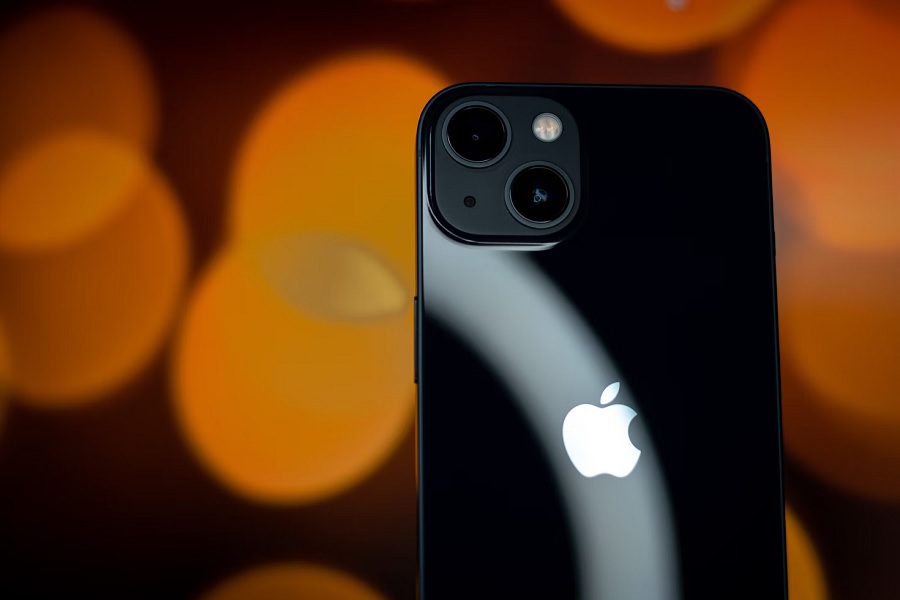
Analyst Ming-Chi Kuo predicts that Apple might take an unusual strategy for the upcoming iPhone 14 series. He expects the tech giant to keep using the A15 chip, the same SoC for the entire iPhone 13 lineup, for half of its flagship smartphone lineup this year.
In a new series of tweets about his Apple predictions, Kuo expects Apple would name its upcoming phones as iPhone 14 (6.1-inch), iPhone 14 Max (6.7-inch), iPhone 14 Pro (6.1-inch), and iPhone 14 Pro Max (6.4-inch). And it appears that the differences between the regular models and the Pro variants would go beyond screen sizes, display specs, and cameras.
Kuo also tweeted that expects the iPhone 14 Pro and iPhone 14 Pro Max to ship with the new A16 chip. If accurate, that would mean the iPhone 14 and iPhone 14 Max would still use the A15 SoC that Apple debuted late last year.
This is going to be an interesting turn of events for Apple. For years, the tech giant has introduced a new generation of Ax Bionic chips with new lineups of iPhones every year.
Only two Pro models would upgrade to the A16 processor, while the 14 & 14 Max will remain the A15. All four new models will likely come with 6GB RAM, with the difference being LPDDR 5 (14 Pro & 14 Pro Max) vs. LPDDR 4X (14 & 14 Max). https://t.co/tHcszIz6gX
— 郭明錤 (Ming-Chi Kuo) (@mingchikuo) March 13, 2022
It is also worth noting that Kuo is an analyst, not a leaker. That means the information he publishes are predictions based on his knowledge of and sources from the supply chain. However, 9To5Mac noted that its own sources corroborated Kuo’s forecast that the iPhone 14 and iPhone 14 Max would continue using the A15 chip.
While the iPhone 14 and iPhone 14 Max could use a, technically, old chipset, the devices could still gain a performance boost. Kuo predicts both devices to get upgraded RAM capacity from 4GB to 6GB, using LPDDR4x. On the other hand, Kuo believes that iPhone 14 Pro and iPhone 14 Pro Max would retain a 6GB RAM, but the Pro models could use LPDDR5.
This is not the only interesting chip-related prediction Kuo has published recently. The analyst previously said on Twitter that he expects the next version of MacBook Air to get a design overhaul, but it could be powered by a version of the M1 chip. The unannounced M2 SoC is long-rumored to debut on some Mac devices this year, including the new MacBook Air.
Photo by Nilay Patel on Unsplash







