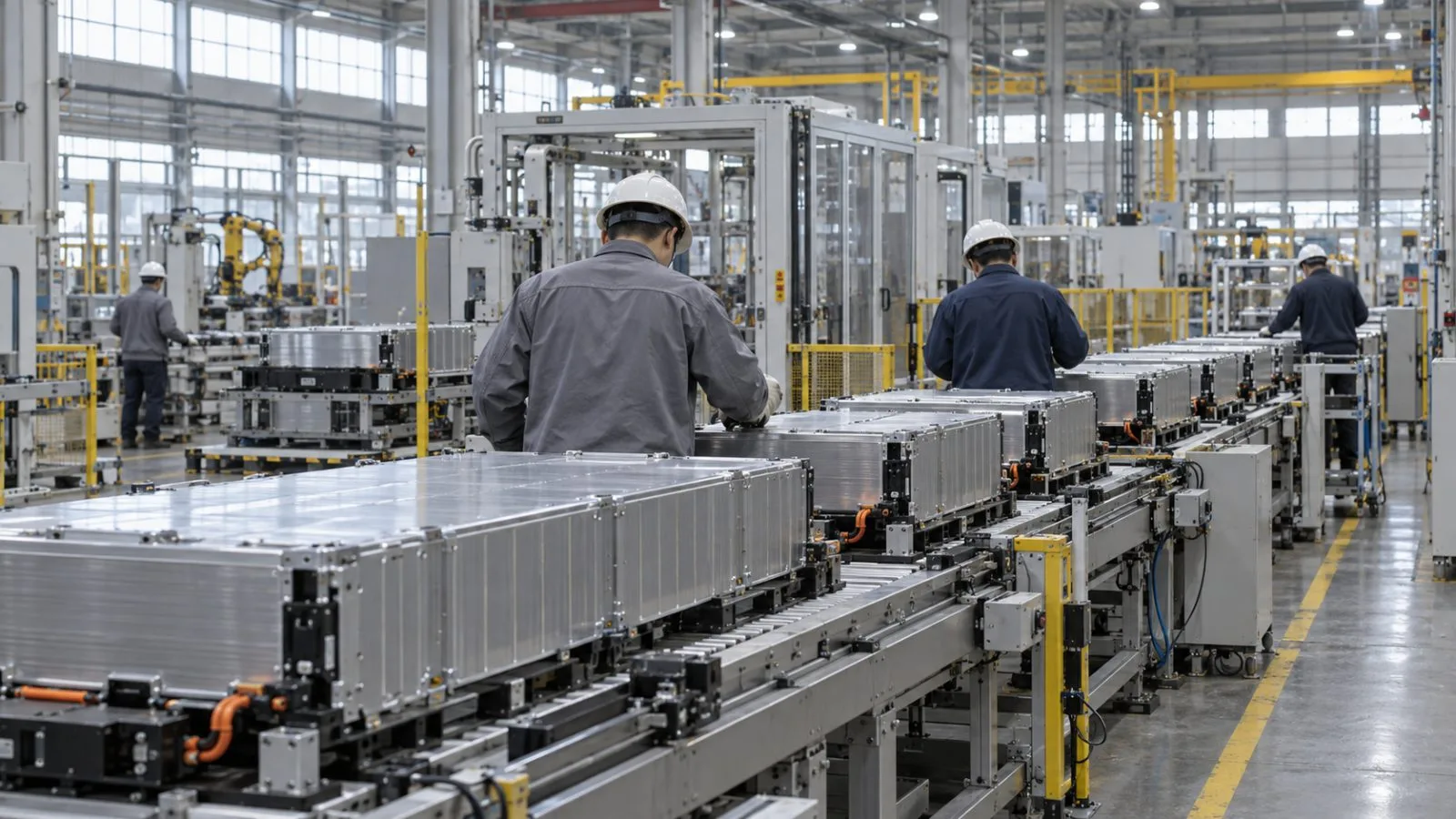
Sustainable construction has an increasing influence over building design. The more attention sustainability is given, building materials for construction can help influence the environment. Business consultants like Jared D’Argenio have experience with environmentally responsible methods of construction.
What Is Construction Sustainability?
Building construction plays an important part in sustainable development. Depending on the country, the definition of construction sustainability can change. At its core, this process is about developing a construction practice that creates a low environmental impact.
The benefits of construction sustainability include:
● financial incentives
● healthier environment
● less waste
By creating “green buildings,” the outdoor air can be healthier than indoor air. Sustainable materials often help with the purification process. By managing water in an environmentally-friendly way, these buildings can recycle rainwater. Preserving natural energy such as solar power or wind can help reuse what is already available.
Noise generation can also negatively impact the environment when it is consistently at a high volume. Using distance augmentation between construction and society, the significance of this sound can dramatically decrease. This can also be done by planting trees close to the noise source or creating other barriers to block excess sound.
How is Sustainability Used In Construction?
Jared D'Argenio works with a company that helps green construction. Using several different techniques combined with new technology, Jared D'Argenio helps with the design of sustainable buildings. Several techniques include:
Understanding natural light
Managing a comfortable indoor environment can cut down on costs for the business as well as pollution. By maximizing the amount of light a home or office receives, artificial lighting can be reduced. Natural light can come from windows, sun pipes, and skylights. With the proper design, constructing an environmentally-friendly building can be done in minimal time.
Making the most out of building materials
This process involves the actual building elements that can allow buildings to become more sustainable. Masonry, brick, and concrete can all create what is known as “thermal mass.” Thermal mass can absorb warmth from heat sources like the sun before distributing it throughout the internal environment. This can help reduce energy consumption.
Proper insulation
The more insulation that is used in a structural element, the more heat can be retained. This can save money on an electric bill while continuing to moderate indoor temperature. Efficient heating is a key factor when helping protect the environment. By using less electricity, the environment can be conserved from the efficient acoustic properties of insulation. Cutting costs in this area is difficult to make up for in other areas of the building and has a high impact on living quality.
Choosing the right materials
Certain “green” materials help construction sustainability. These products primarily help with energy efficiency. With less energy needed, carbon can be reduced. Natural materials, including specific compression tape or wool insulation, can make a difference when conserving power.
Having a plan
Before building, construction sustainability needs to be incorporated into the overall plan. While construction systems can be adapted to an existing design, it is often more complex and can take extra time. The right tools and materials are critical when planning. Structures may include timber frames, insulated concrete formwork, block and brick, clay blocks, and more.
Green Building
Construction sustainability can help a variety of buildings. Sustainable design organizations can help develop homes, offices, and industrial buildings. Specific campuses in the United States have been designed to save resources wherever possible.
Sustainable construction can help future development by creating infrastructure that helps reduce global greenhouse gas emissions. By using renewable energy resources, this helps both the indoor and outdoor environment. The economic impact of sustainable construction can be proven with its water harvesting and preservation of building operation and maintenance.
Using construction sustainability typically involves both the owner and the contractor understanding specific environmental goals. Promoting sustainable achievement methods have a positive effect on society as a whole. Over the past decade, the global green building market has substantially grown in size.
New Technology
New construction technologies have been designed to help manage sustainability. This can help with construction waste as well as the structure of the building. By using 3D printing software, building construction techniques can be viewed for the purpose of manufacturing parts.
By constructing a small commercial building, the model can focus on plumbing and electrical facilities. Using this type of learning, the design portion of construction sustainability can be done with increased accuracy. With the trend of IT adoption, construction can now focus on paperless ways to structure a plan as well as a business.
A sustainable approach that Jared D'Argenio considers important involves both classical design and smart growth. By combining the two, green buildings can help preserve the environment while still allowing for aesthetically pleasing designs and architecture. “Plyscrapers” is one example of this phenomenon. Since timber is a potentially viable option for building skyscrapers, environmental engineers incorporate construction sustainability into their latest developments.
How Will Construction Sustainability Progress?
Construction sustainability takes on different forms depending on the country. In developing countries, merging modern and traditional practices is common. New financing systems may also emerge as the need continues to grow.
Environmentally-friendly practices in construction can promote healthy choices while integrating new technology into buildings. By improving the design of infrastructure to conserve energy, resources will no longer go
This article does not necessarily reflect the opinons of the editors or the management of EconoTimes