


 The ghost of Robodebt – Federal Court rules billions of dollars in welfare debts must be recalculated
  Canton Network Expands in South Korea With Major Partnerships
  Nvidia’s China AI Chip Market Share Falls to 34% as Huawei Gains Ground
  Google promotes ‘teacher approved’ apps for kids. Here’s what parents should know
  Samsung, SK Hynix Shares Fall as China's CXMT Advances DRAM Technology
  Binance to Shut Down Crypto Mining Pool Services on November 10
  Booked to travel through the Middle East? Here’s why you shouldn’t cancel your flight
  TSMC Profit Set to Surge 65% as AI Chip Demand Drives Record Earnings
  Orsted to Take Full Ownership of UK Offshore Wind Farm for £15 Million
  Epic Games Delays Disney Shooter, Shifts to AI-First Development
  The Beauty Beneath the Expressway: A Journey from Self to Service
  Stuck in a creativity slump at work? Here are some surprising ways to get your spark back
  Hong Kong’s Second Solana ETF Launches With Lower Fees
  Can your cat recognise you by scent? New study shows it’s likely
  Time to buy local: war fuel price shocks reveal the folly of a long food supply chain


 Add as a preferred source on Google
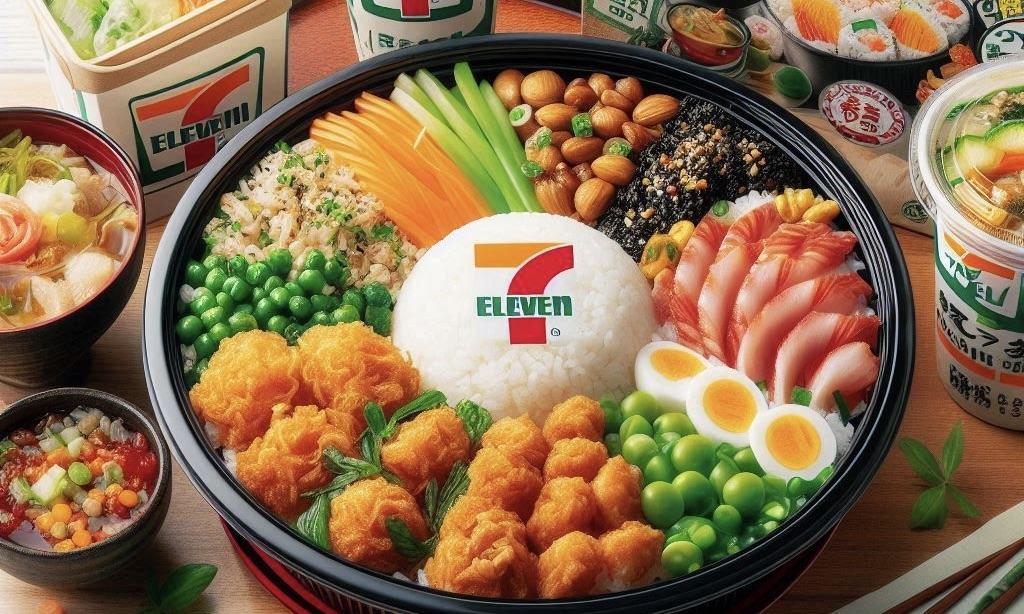
As prices rise at Japanese convenience stores, 7-Eleven Japan counters with three affordable rice dishes under its "Ureshii Ne" line. Priced at just 348 yen, these meals offer a budget-friendly option without compromising flavor or quality.
7-Eleven Japan Responds to Rising Convenience Store Prices with New Budget-Friendly Rice Dishes
Japanese convenience stores are experiencing a noticeable price creep. Not too long ago, it was pretty easy to assemble a satisfying meal for around 500 yen (US$3.40), but now, convenience store bento boxed lunches are inching closer to 1,000 yen. This increase raises questions for consumers who traditionally sought convenience store meals as an affordable alternative to restaurant dining. Many wonder why bother with convenience-store options if the cost becomes nearly equivalent to a sit-down restaurant.
Recognizing this growing concern, 7-Eleven Japan has introduced its "Ureshii Ne," or "Happy Price," line to restore its reputation for affordability. Launched in July with a selection of rice balls, the Ureshii Ne lineup offers long-time customer favorites at reduced prices. Recently, 7-Eleven expanded this offering with three new budget-friendly rice dishes.
Each dish is priced at 348 yen (US$2.35), which remains an attractive option despite the recent price hikes driven by supply chain issues and currency fluctuations. However, affordability alone isn’t enough; if the food lacks flavor or is too small in portion, it still feels like a waste. With this in mind, SoraNews24’s Japanese-language reporter, P.K. Sanjun, took it upon himself to taste-test all three new offerings to see how they measured up.
The trio includes fried rice (Chauhan), Indian-style butter chicken curry served over rice, and spicy mayo tofu (mastodon) atop rice. According to P.K., all three dishes live up to 7-Eleven Japan's reputation for providing tasty, high-quality meals with solid and satisfying flavors. The dishes stay true to familiar tastes, making them a safe bet for anyone who has enjoyed these meals.
Portion Sizes Vary in 7-Eleven Japan’s New Rice Dishes, Catering to Different Appetites
According to SoraNews24, P.K. conducted a test using precise measurements to determine whether they were filling enough. The mastodon emerged as the heaviest of the trio at 400 grams (14.1 ounces), followed by the butter chicken at 380 grams and the fried rice at 327 grams. This weight difference suggests that the map tofu and curry are better suited for those with more enormous appetites.
After sampling all three, P.K. concluded that they are sufficient for those with moderate hunger, though they may fall short for big eaters or those who arrive at 7-Eleven already famished. Fortunately, being in a convenience store makes it easy to supplement any of these dishes with a rice ball or another side dish if needed. With 7-Eleven planning to add more items to the Ureshii Ne line, these three rice dishes have certainly earned positive marks from P.K. and are likely to leave other customers happy as well.







