Archeologists recently made a monumental discovery in the Philippines that pushes back the earliest period of human settlement in the region that was previously thought by over 600,000 years. Rhino bones and tools that appear to have been used to butcher the animal were found in Luzon, the country’s largest island. They date back 700,000 years, which is also about 400,000 years earlier than archeologists thought Homo sapiens actually existed.
As Gizmodo notes, finding evidence of early humans settling in the Philippines is not entirely shocking. Other species of hominids were thought to have inhabited the Asia-Pacific region, with some examples going back as far as 1.8 million years.
In the case of the Philippines, the previous record for the oldest human remains to have been found in the country was dated to only about 67,000 years. This latest discovery multiplies that age by a factor of ten, which has huge archeological and paleontological implications.
The specific site of the discovery was in Cagayan Valley, at the dig site in Kalinga. The discovery was made by a team from Paris, which was led by Thomas Ingicco from the Natural History Museum in Paris. So far, 57 stone tools and 400 bone samples have been found buried in the bed, which is rich in clay.
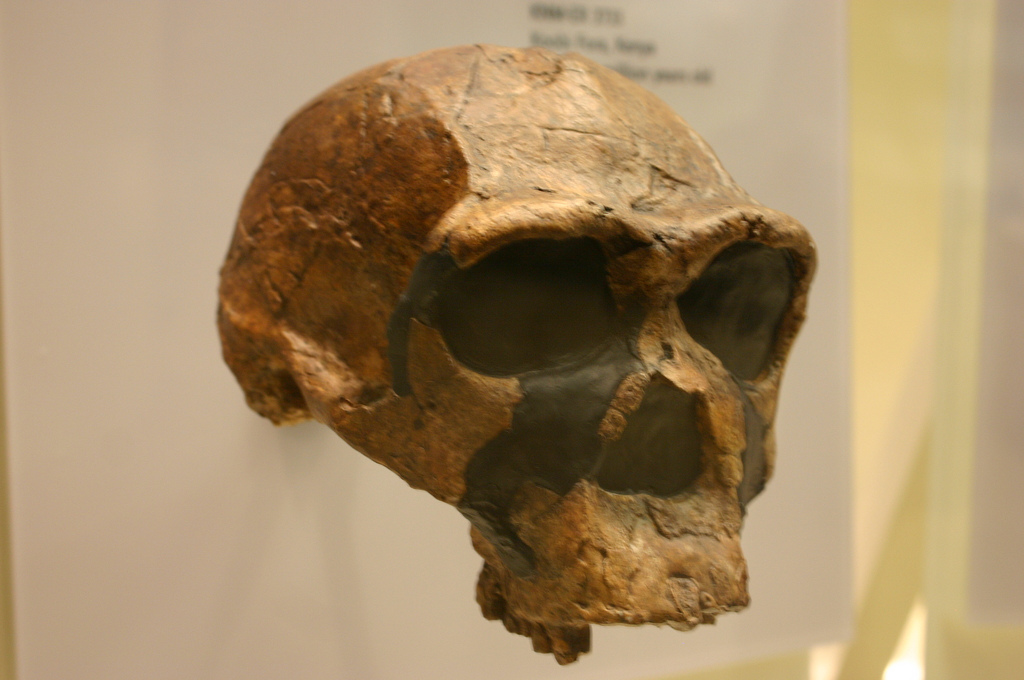
The remains likely belonged to a type of Homo erectus variant, Science Mag reports, which is a species much older than H. sapiens. Based on the evidence found on the site, it is also clear that these early humans had the skills, tools, and capabilities to hunt rhinoceros, which would not have been easy at the time. Of course, it could also be just as likely that the butchered carcass was that of a dying rhino that they just found.
As to how these early humans actually managed to arrive in the Philippines and other places beyond, the mystery endures. There are several theories proposed, but only time will tell which one is likeliest to be correct.