


 Russian Strikes Kill Six in Ukraine, Including Three in Kharkiv
  Trump Calls for Zelenskyy Replacement Amid Russian Diesel Deal
  Yandex Data Center Hit by Drone Strike as Russia-Ukraine Cyber Infrastructure Attacks Escalate
  Trump Buys Up to $25M in Meta Stock, Invests in SpaceX Debt
  Trump Secures Russian Diesel Deal as US Fuel Prices Surge
  Trump Sanctions International Criminal Court, Sparking EU Backlash
  Djibouti Migrant Boat Capsizes, Killing 139 and Leaving 84 Missing
  JD Vance Questions Pentagon Plan to Livestream Fort Hood Shooter’s Execution
  UK Finance Minister Healey Calls for Fiscal Discipline Amid Global Risks
  European Auto Stocks Rise as EU-China Trade Deal Targets Hybrid Imports
  US, EU Push for Action Against Asia’s Excess Factory Capacity
  Zelenskiy Slams US Over Deadly Russian Strikes on Ukraine
  Flydubai Co-Pilot Planned Suicide Attack on Israel Airport, UAE Says
  Trump Announces Russia-Ukraine Energy Ceasefire as Zelenskiy Awaits Details
  Brazil Election: Lula and Bolsonaro Rally Ahead of October 25 Runoff
  Flavio Bolsonaro Leads Lula 49%-45% in Brazil Runoff Poll
  Trump Cancels Alabama Football Trip as Hurricane Isaias Approaches


 Add as a preferred source on Google
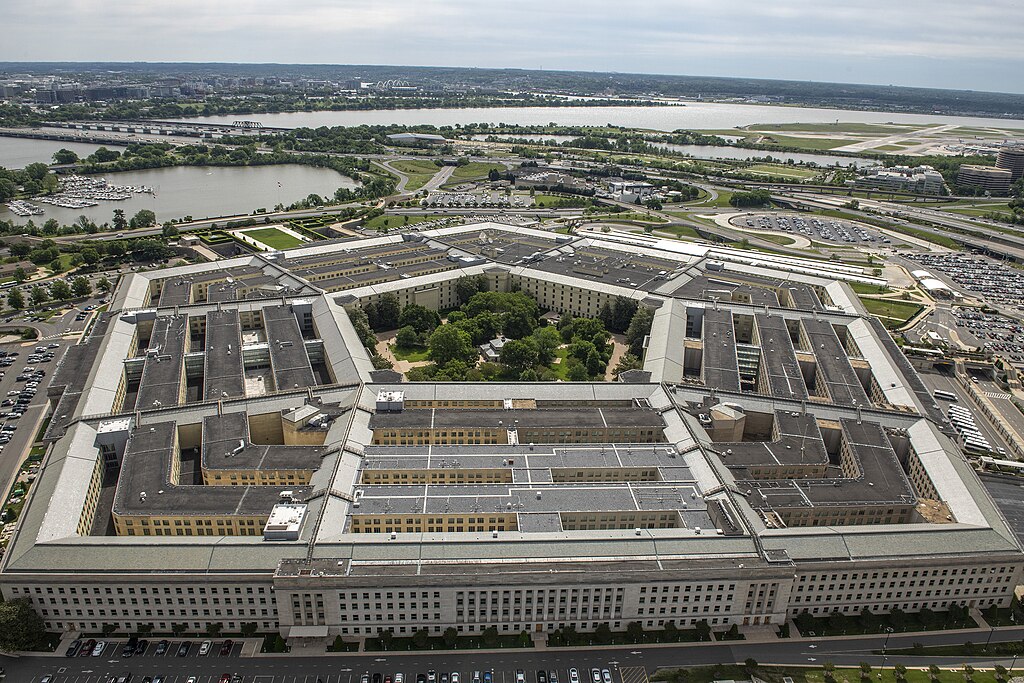
For the seventh year in a row, the Pentagon has failed to pass a comprehensive financial audit, a sobering revelation given its colossal $824 billion budget. While officials at the Department of Defense (DoD) have expressed optimism about achieving a clean audit by 2028, the repeated failures have reignited criticism over transparency and fiscal responsibility within the U.S. government’s largest department.
The results of the latest audit underscore the challenges faced by the Pentagon in managing its sprawling financial systems, which include contracts, payrolls, supply chains, and inventory. The audit revealed continued discrepancies in tracking assets, improper documentation, and outdated accounting systems, making it impossible to fully account for taxpayer dollars.
Progress Amid Persistent Failures?
DoD officials, while acknowledging the setbacks, claim that progress has been made. "We are on the right track," one senior official said, noting that smaller sections of the department have begun to show improvements in accountability. The department has reportedly resolved thousands of financial discrepancies uncovered in previous audits.
However, critics argue that the Pentagon's inability to manage its finances undermines public trust and raises red flags about wasteful spending, particularly at a time when the federal deficit continues to grow. Many are questioning whether the timeline to achieve a clean audit by 2028 is realistic—or simply a tactic to deflect scrutiny.
What’s at Stake?
The Pentagon’s budget accounts for more than half of the discretionary spending allocated by Congress annually, funding everything from cutting-edge weapons systems to personnel salaries. Critics of the DoD’s financial practices argue that failing audits year after year leaves billions vulnerable to inefficiencies, fraud, and waste.
The audit also brings attention to issues of outdated infrastructure. Several of the Pentagon’s financial systems date back decades, operating on incompatible platforms that make oversight incredibly difficult. Efforts to modernize these systems are underway but face delays and cost overruns.
Lawmakers Demand Answers
The audit failure has sparked bipartisan frustration in Congress. Lawmakers from both sides of the aisle are demanding greater accountability from the Pentagon. "This is unacceptable," one lawmaker said, calling for stricter oversight and transparency measures to ensure taxpayer money is being used efficiently.
Some have suggested tying budget increases to audit progress, arguing that the DoD’s massive funding should come with stricter accountability standards. However, such proposals face pushback from defense hawks who argue that any restrictions could jeopardize national security.
2028: Hope or Hollow Promise?
The Pentagon’s plan to achieve a clean audit by 2028 hinges on overhauling its financial systems, improving data accuracy, and enhancing accountability measures. While officials remain optimistic, skepticism abounds. Critics point to the fact that the DoD has missed every audit milestone set in the past, leading many to question whether this latest timeline is achievable—or just another empty promise.







