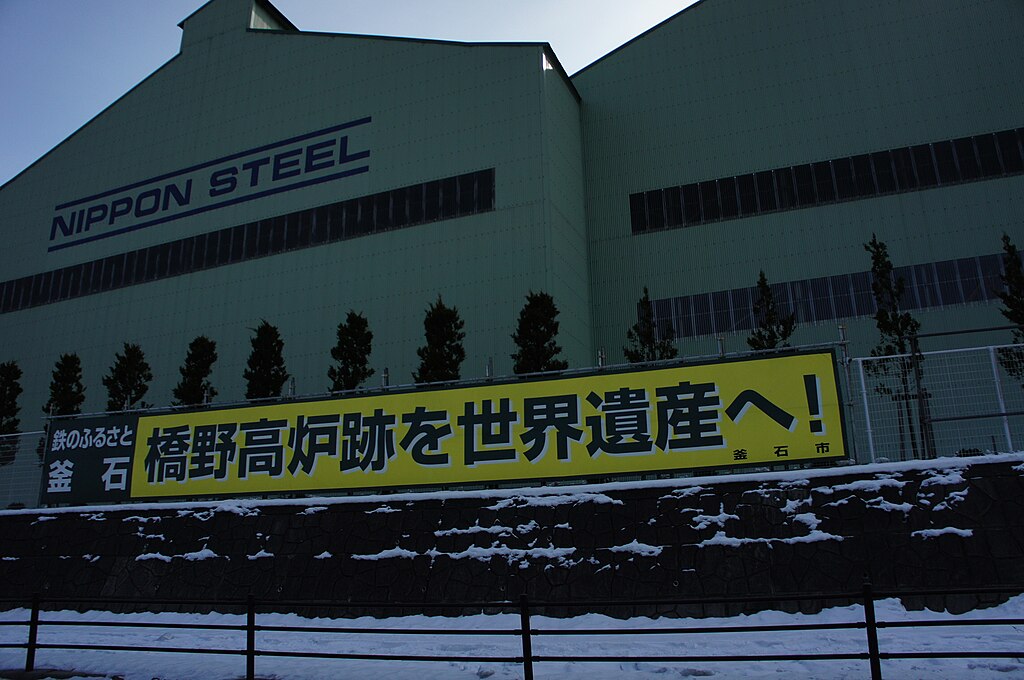
U.S. President Donald Trump voiced strong opposition on Wednesday to Nippon Steel’s $14 billion acquisition of U.S. Steel, saying he doesn't want the American steel giant to "go to Japan." His remarks conflict with recent actions by his own administration, which had just reopened a national security review of the deal.
The deal, announced in December 2023, has faced bipartisan resistance ahead of the 2024 U.S. presidential election. Both Trump and President Joe Biden opposed the sale, citing national security and economic concerns. Biden officially blocked the merger in January, prompting U.S. Steel and Nippon Steel to sue the Committee on Foreign Investment in the United States (CFIUS), claiming the review was politically influenced to appeal to unions, particularly in swing state Pennsylvania.
Following Trump’s latest statement, U.S. Steel shares dropped as much as 14% in after-hours trading to $38.57, far below Nippon Steel’s $55 per share offer. Trump said, “We love Japan, but we don’t want [U.S. Steel] to go to Japan or anywhere else.”
Despite the public opposition, the Trump administration on Monday asked a court to delay litigation until June 5, indicating ongoing talks with both companies and the possibility of resolving the dispute through CFIUS review.
The future of the deal remains unclear as political dynamics shift and national security concerns take center stage. Neither Nippon Steel nor U.S. Steel has responded publicly to Trump’s comments. Investors and analysts now await further developments, especially with CFIUS revisiting the case and the presidential election approaching. The outcome could reshape the U.S. steel industry and broader foreign investment policies.