


 Brazil Presidential Debate Canceled as Lula, Bolsonaro Skip Event
  Flydubai FZ1073 Co-Pilot Accused of Terror Attack
  Merz to Meet ECB Frontrunners Knot and De Cos
  South Korea Warns Ukraine Over North Korean POW Dispute
  Lula Leads Flavio Bolsonaro 48%-45% in Datafolha Poll
  Marco Rubio to Visit Iceland, Greece and Portugal
  Iran Keeps Strait of Hormuz Closed as War Talks Stall
  Trump Heads to Ohio to Boost Husted in Tight Senate Race
  Merz Pledges €1 Billion in Ukraine Aid During Kyiv Visit
  Iran Plans Stronger Response if US Attacks Resume
  Putin Says Western Firms Could Regain Russian Assets
  Israeli Settler Attack in West Bank Kills Palestinian
  Iran Faces Rising Pressure as U.S. Builds Military Presence
  Russia Strikes Kyiv Bridge as Ukraine Infrastructure Attacks Escalate
  Xi Rest Breaks Cut Trump Summit Schedule, WSJ Reports
  UK Warned Over Growing Reliance on US Cloud Providers


 Add as a preferred source on Google
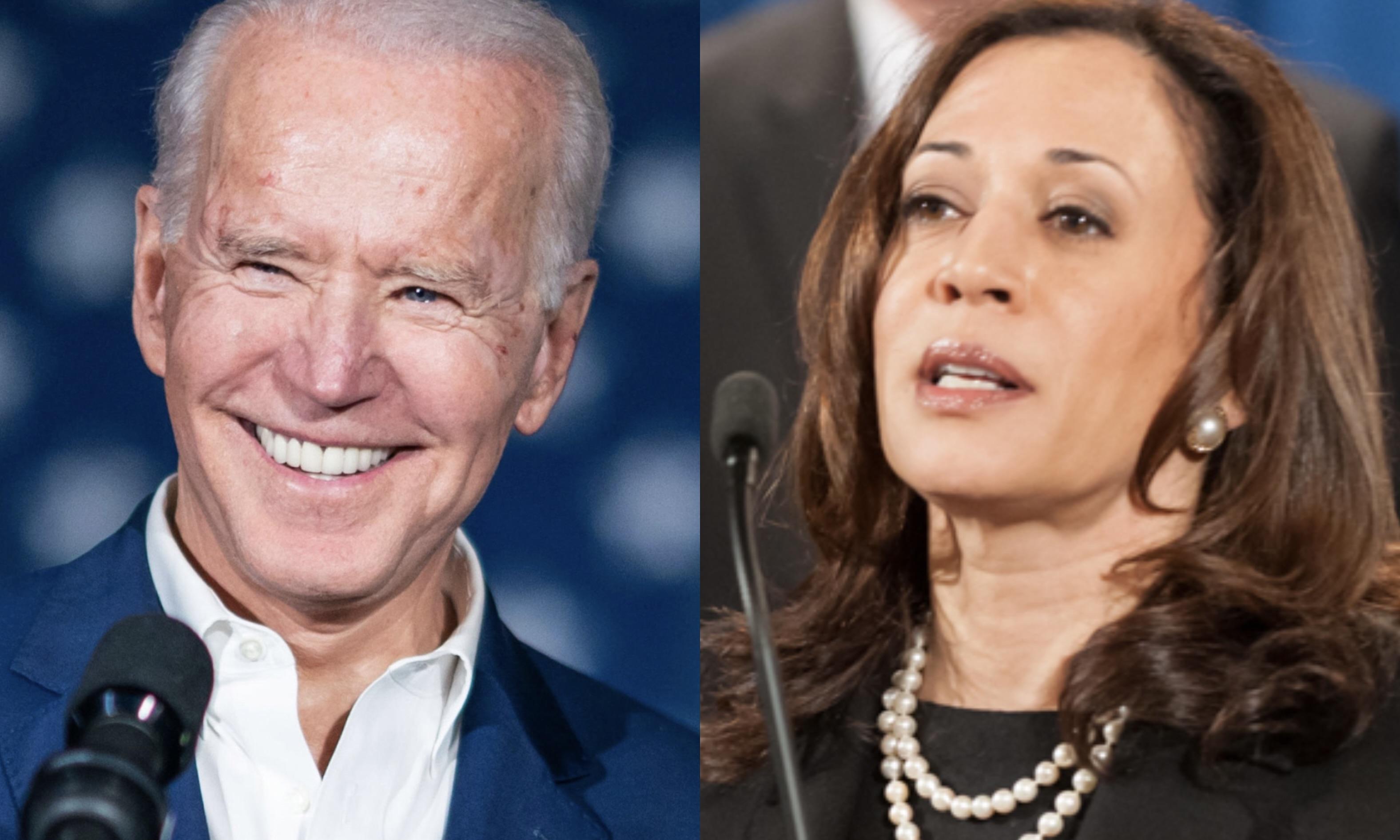
The recent shooting of an Orthodox Jewish man in Chicago has taken a controversial turn after reports linked the alleged gunman, a 22-year-old immigrant from Mauritania, to a border release earlier this year in San Diego. The case has reignited debate around U.S. immigration policy, with critics targeting Vice President Kamala Harris’s border oversight and questioning the security of current immigration practices.
According to law enforcement sources, the alleged shooter crossed into the U.S. from Mexico via San Diego in 2023, where he was detained briefly by border officials before being released into the country. Since his release, the individual reportedly traveled to Chicago, where he was involved in the Saturday incident, sparking alarm among community leaders and border policy advocates.
“This incident is a clear sign of the risks we face with current border policies,” said Mark Leavitt, a spokesperson for the Secure America Coalition, which advocates for stricter immigration regulations. “This is an example of dangerous gaps in our screening and release procedures.”
Mauritania, a small country located in northwest Africa, has been the point of origin for some immigrants seeking entry into the United States through various border crossings. Many immigrants from regions like West Africa cite economic hardship, political instability, and human rights concerns as reasons for leaving their home countries. However, the case of this particular individual has intensified calls for more thorough vetting processes for those entering the country.
Federal and state officials have yet to release full details of the suspect’s background, and his motivations in the Chicago shooting remain under investigation. Still, the incident has amplified ongoing criticism of U.S. border policy, especially given the heightened scrutiny of immigration procedures at the southern border.
Critics have seized upon this incident to target Vice President Harris, who was assigned to oversee border policy early in her term. Prominent opponents argue that the release policy for certain immigrants represents a security risk. “This tragic event underscores the flaws in our border system under the current administration,” said Congressman Paul Dunn, who has been outspoken on immigration issues. “If we can’t ensure the safety of our own communities, we need to reassess our approach immediately.”
Advocates for immigration reform, however, caution against generalizations, noting that the vast majority of individuals seeking asylum or entry into the U.S. have no criminal intentions. “It’s a tragedy that should be addressed, but this is not representative of all immigrants,” said Janet Morales, an attorney specializing in immigration law. “We need effective reform, not scapegoating.”
The Chicago Police Department and federal agencies are coordinating their investigation into the shooting, which has shaken the local Jewish community. Leaders have called for calm while authorities work to provide answers. “We are grieving, but we will not let fear dictate our response,” said Rabbi David Kaplan of the Chicago Council for Jewish Security. “Our community deserves safety and accountability, and we will work with officials to achieve that.”
As public opinion intensifies on both sides, the case has brought the issue of border policy to the forefront once again. While advocates for stronger borders push for immediate policy changes, others caution against using a single case to drive sweeping reform, emphasizing the need for balanced and measured responses.







