


 Lula Leads Flavio Bolsonaro 48%-45% in Datafolha Poll
  Flydubai Co-Pilot Tried to Crash Israel-Bound Jet, Netanyahu Says
  Trump Says Iran War Could End Soon After Midterms
  Ukraine Deploys FP-7 Ballistic Missile in Combat for First Time
  Brazil Presidential Debate Canceled as Lula, Bolsonaro Skip Event
  Netanyahu Vows Probe Into Foiled Flydubai Crash Attempt
  Russia Strikes Kyiv Bridge as Ukraine Infrastructure Attacks Escalate
  California Leads Lawsuit Over Trump’s $810 Million Funding Cuts
  Bosnia Election Puts EU Bid and Foreign Influence in Focus
  G20 Divided Over US Push to Curb Industrial Overcapacity
  Tsai Ing-wen to Visit US for Stanford Security Conference
  US Waives $320M Egypt Military Aid Conditions After Iran War Role
  Trump Heads to Ohio to Boost Husted in Tight Senate Race
  Trump Taps Dennis Rodman as Kim Jong Un Outreach Continues
  Putin Says Western Firms Could Regain Russian Assets
  Iran Keeps Strait of Hormuz Closed as War Talks Stall


 Add as a preferred source on Google
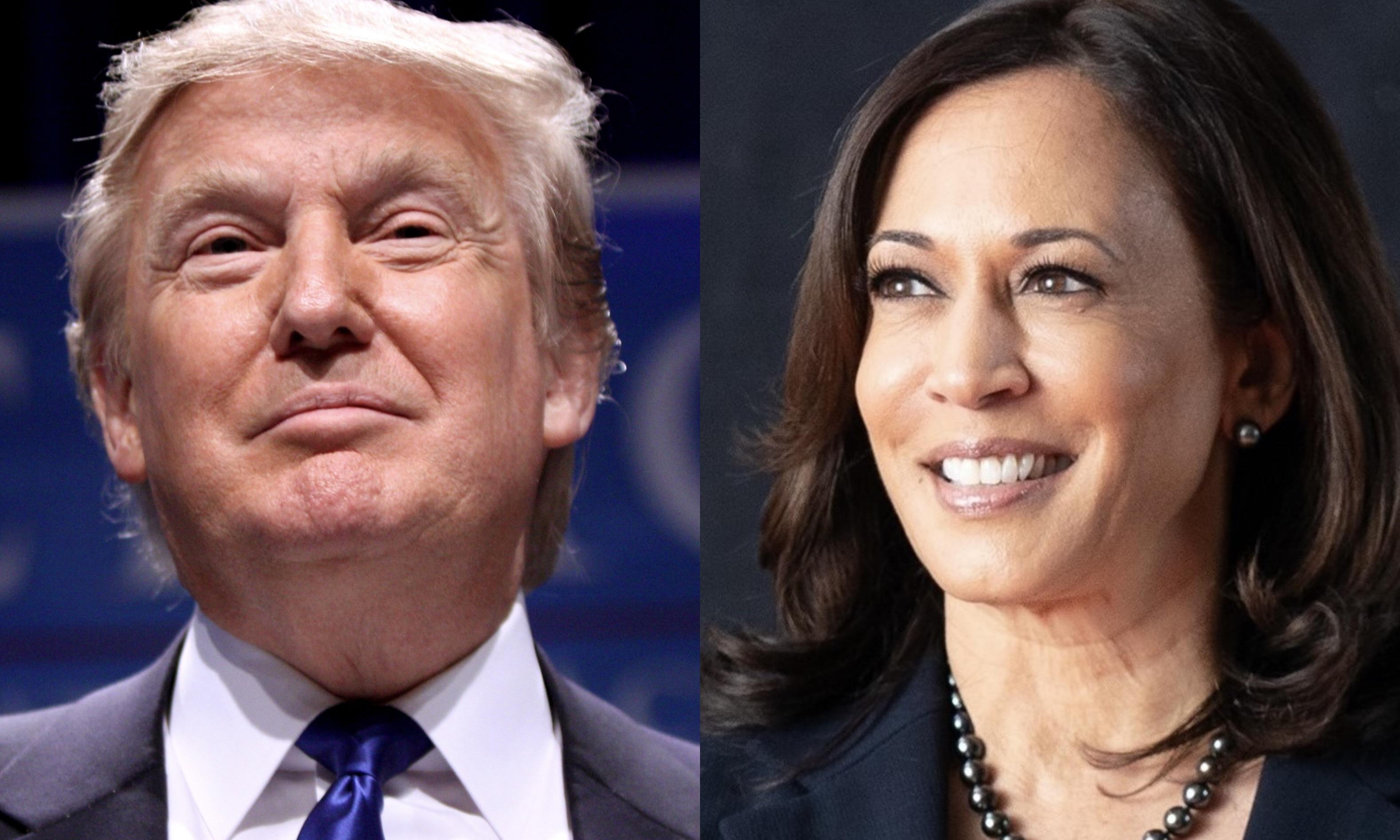
A Supreme Court case emerging from Pennsylvania has sparked national attention as the Republican Party seeks to disqualify thousands of mail-in ballots, potentially altering the course of the 2024 presidential election. The case, titled Genser v. Butler County Board of Elections, hinges on whether voters who initially submitted improperly filed mail-in ballots should be allowed to cast provisional ballots on Election Day.
On October 23, the Pennsylvania Supreme Court ruled narrowly in favor of thousands of Pennsylvanians, voting 4-3 that voters with voided mail-in ballots could cast provisional ballots in person. But just days later, the Republican Party petitioned the U.S. Supreme Court to block that ruling, arguing that allowing these ballots compromises state legislative authority over election laws.
The stakes are high: should the Supreme Court intervene and side with the GOP, the decision could disenfranchise thousands of Pennsylvania voters and potentially shift the state’s crucial electoral votes from Kamala Harris to Donald Trump, depending on the final count. Pennsylvania remains a battleground state in this tight election, and with the GOP challenging the state court’s decision, the repercussions could be significant.
At the center of the controversy is the Independent State Legislature Doctrine (ISLD), a legal theory proposing that only state legislatures hold the power to regulate federal elections, without oversight from state courts or governors. While the Supreme Court has historically rejected the ISLD, recent rulings suggest the door is ajar for its reconsideration. Should the Court side with the GOP in Genser, it would set a precedent that could lead to extensive state legislative control over federal election procedures nationwide.
"This could create unprecedented chaos in U.S. elections, throwing into question which officials have final say over election law," noted election law expert Jeremy Lock. “It’s a power shift that could place American democracy in uncharted waters.”
The Genser case arose from Pennsylvania's strict mail-in ballot regulations, which require a "secrecy envelope" for each mailed vote. Failing to follow this guideline renders the vote void, meaning it cannot legally count. Plaintiffs argue, however, that the Pennsylvania Supreme Court’s decision acknowledges voters’ rights to have a second chance by voting provisionally if their initial attempt was voided due to technicalities.
Election analysts caution that while the exact number of affected voters is unclear, even a small number of disqualified ballots could impact Pennsylvania’s results, should the race be as tight as anticipated. Democrats traditionally have a greater reliance on mail-in ballots, and in 2020, the overwhelming majority of these votes were cast for Joe Biden. While the Republican Party has encouraged more mail-in voting since 2020, the GOP’s argument in Genser suggests they still see an advantage if certain mail-in ballots are voided.
Observers warn that if the U.S. Supreme Court decides in favor of the ISLD, it could grant legislatures sweeping authority to modify election rules without checks and balances. For now, however, the nation watches and waits as the court deliberates on an issue with potentially game-changing implications for the 2024 election.
This case highlights the razor-thin margins and legal complexities that characterize modern U.S. elections. A Supreme Court ruling in favor of the GOP’s position could not only impact the outcome of this election but also redefine the boundaries of electoral power for future generations.







