Demand for artificial-intelligence chips is squeezing the upstream supply chain for flip-chip ball-grid array (FC-BGA) equipment, leaving buyers of some machines facing waits of roughly 30 months.
Some substrate makers are filing letters of intent and paying upfront to secure machines before committing to formal purchases. Firm arrival dates have been offered to only a small group of manufacturers.
The reservation process is moving ahead even as delivery timing remains uncertain. For orders placed in November 2026, mid-2029 is the earliest stated arrival point, adding uncertainty to planned capacity expansions in Japan, South Korea and Taiwan.
On Oct. 27, Unimicron said its board had approved another NT$50.9 billion for pre-orders of equipment with extended lead times. The approval marked the Taiwanese substrate maker’s fourth increase this year and its largest single increase.
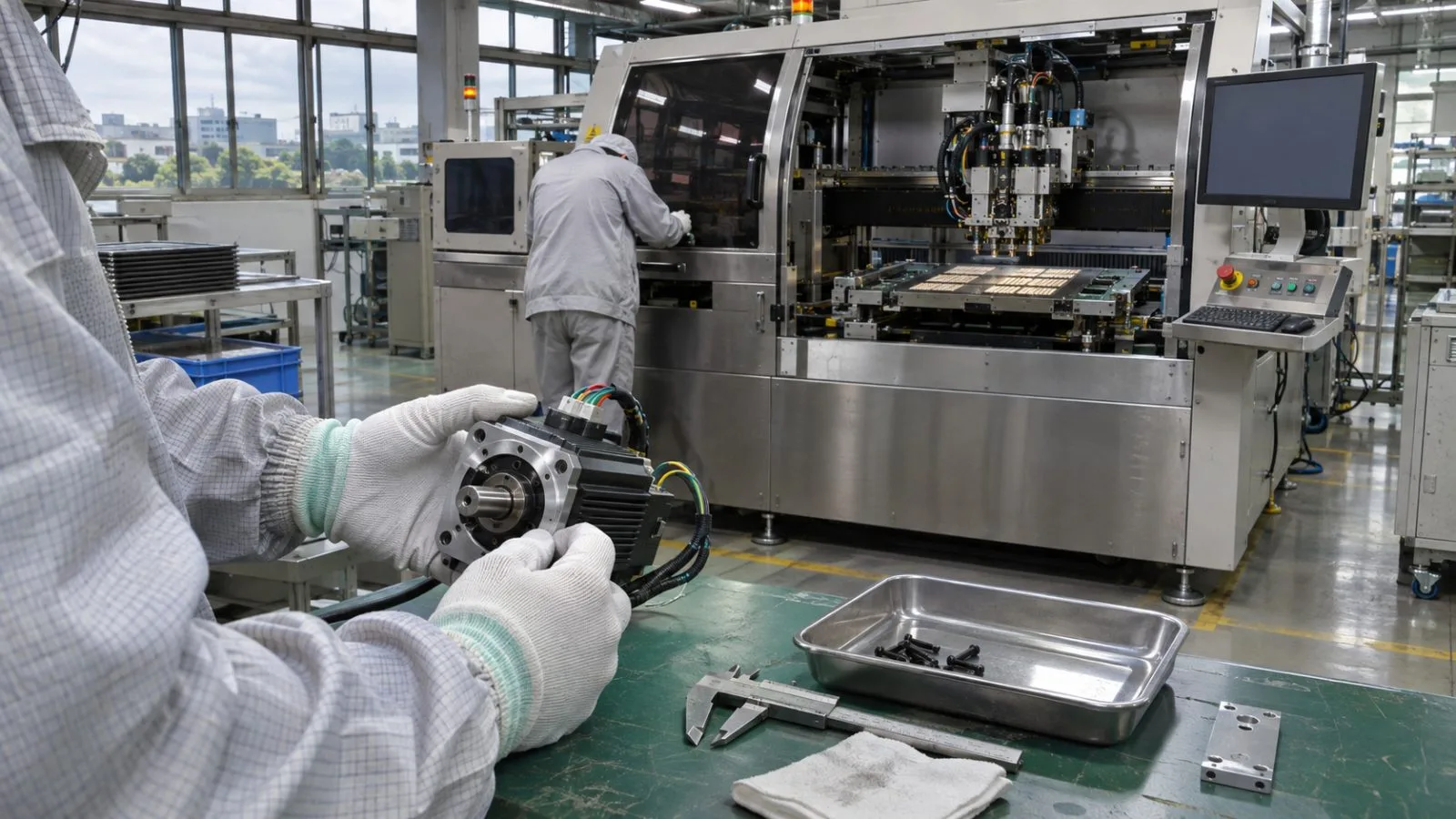
Shortages in Japan of precision motors, drive components, servomotors and controllers are creating the main bottleneck. A manufacturer of FC-BGA bonding equipment said parts that once were readily available now take about six months to arrive.
These substrates sit inside advanced chip packages, including those built for high-performance computing. The squeeze is extending AI semiconductor demand into the materials and production equipment behind those packages.
For companies planning to add capacity, securing machinery is only part of the challenge; the schedule for receiving it is another. With November 2026 orders facing a possible earliest arrival in mid-2029, component supply and delivery timing remain central constraints.