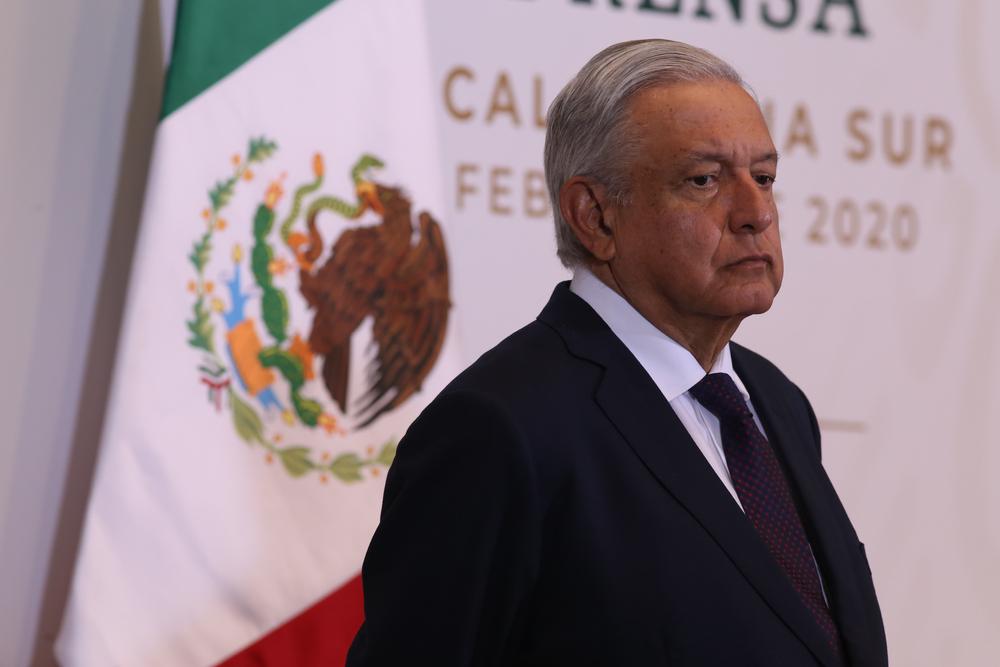
Andres Manuel Lopez Beltran, the son of former Mexican President Andres Manuel Lopez Obrador, said the United States has revoked his visa in what he described as a politically motivated decision.
Lopez Beltran, widely known as “Andy,” made the allegation in a letter addressed to U.S. President Donald Trump and released late Thursday. He accused Secretary of State Marco Rubio and Deputy Secretary Christopher Landau of ordering the visa revocation and said U.S. authorities had provided no evidence linking him to criminal activity or wrongdoing.
The reported move comes as Washington expands its campaign against Mexican politicians and officials suspected of having ties to organized crime. Reuters previously reported that the Trump administration had revoked visas for at least 50 Mexican politicians and officials as part of a broader crackdown on drug cartels and corruption.
U.S. officials have said visas may be canceled over alleged involvement in drug trafficking, corruption or assistance with illegal immigration. However, the U.S. Embassy in Mexico declined to comment on Lopez Beltran’s case. A State Department spokesperson cited visa confidentiality rules, saying that “every visa decision is a national security decision.”
Mexican President Claudia Sheinbaum said she was unaware of any investigation into Lopez Beltran by Mexican prosecutors. She criticized U.S. visa revocations involving politically prominent Mexicans, arguing that such actions could represent interference in Mexico’s internal affairs.
“This amounts to interference in Mexican politics,” Sheinbaum said.
Lopez Beltran recently stepped down from a leadership position in Mexico’s ruling Morena party, founded by his father. The 39-year-old politician is expected to pursue a seat in Mexico’s lower house of Congress during the 2027 midterm elections, potentially representing his home state of Tabasco.
In his letter, Lopez Beltran called the visa cancellation a “crude and perverse act” and accused U.S. hardliners of targeting foreign political figures by portraying them as threats to American security or linking them to “narco-terrorism.”
He also said he was not concerned about avoiding travel to the United States and expressed hope that Trump would respond to the concerns raised in his letter. The dispute adds to growing tensions between Washington and Mexico over sovereignty, organized crime and U.S. political influence.