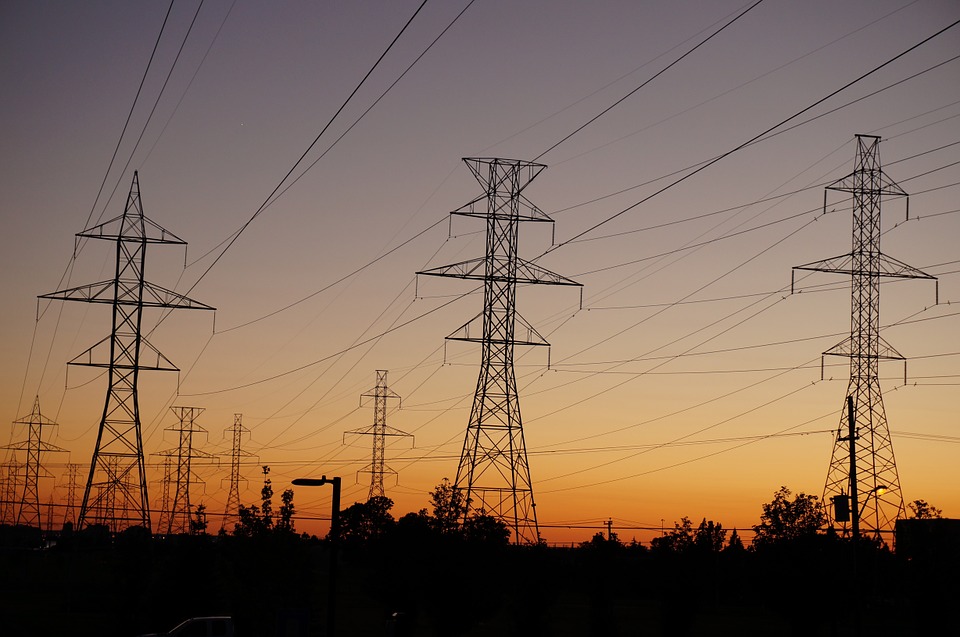
AT&T has just announced its plans for the future of gigabyte internet connections with what it’s calling “Project AirGig.” The initiative will utilize power lines in order to cut down on costs of distributing internet connection as well as to deliver this connection wirelessly.
As Android Police notes, this plan might be considered insane by some, though that’s not entirely a bad thing. By tapping into an existing resource that covers pretty much the entirety of the country, AT&T won’t have to invest so much in infrastructure. More than that, power lines can allow the company to provide remote areas with blazing fast internet connection in a shorter span of time.
Normally, it would take months or years for ISPs to expand the reach of its internet services since they would need to dig ditches to bury cables and erect towers to transmit wireless connections. With “Project AirGig,” AT&T wants to make this limitation a thing of the past.
The initiative hinges on devices that basically function as antennas. Depending on their uses, they can be complex stations or simple guides that don’t even require power. In any case, these antennas transmit millimeter wave signals to access points that will then provide wireless connections to users.
Thanks to the potential lower latency of this kind of initiative, it’s possible that customers will gain access to much faster internet simply because fewer people share the connection. Regional cell towers are notoriously clogged because people also use them to call or send text messages. By using power lines, this might not be as much of an issue.
The company has already conducted tests of the technology in its own campuses, CNN reports. However, an extended range test is needed in order to find out if the project is even feasible. If it is, how much will it really cost? AT&T will need to answer these questions and more before “AirGig” can become a thing.