An estimated 2 million more Afghans face Crisis-level food insecurity or worse than a year ago despite improved harvests, with landless households struggling to buy enough food.
The Integrated Food Security Phase Classification (IPC) estimates that 15.9 million people, or 32% of the population, face Crisis-level food insecurity or worse in September and October 2026. That includes 3.4 million people in Emergency conditions.
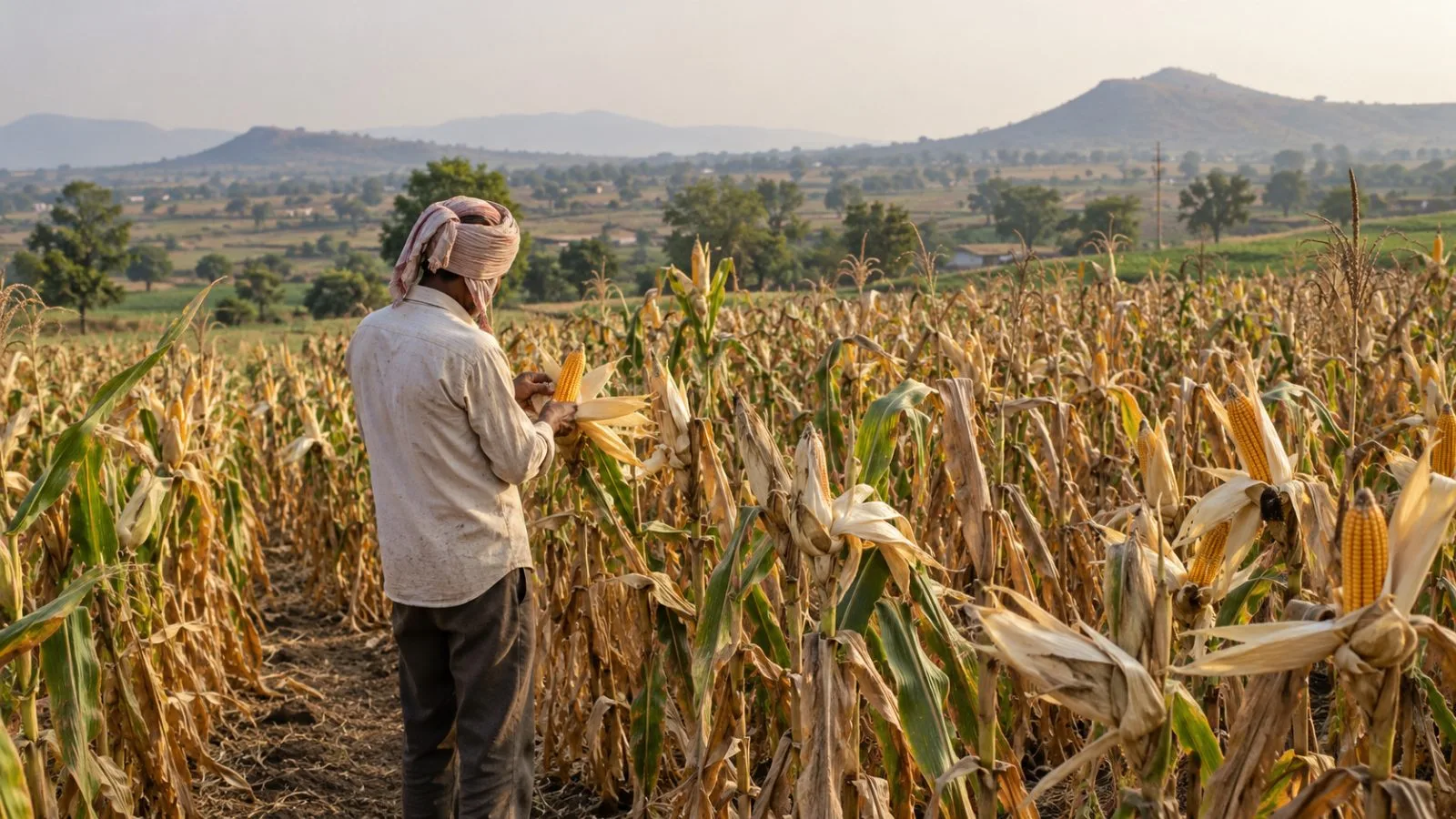
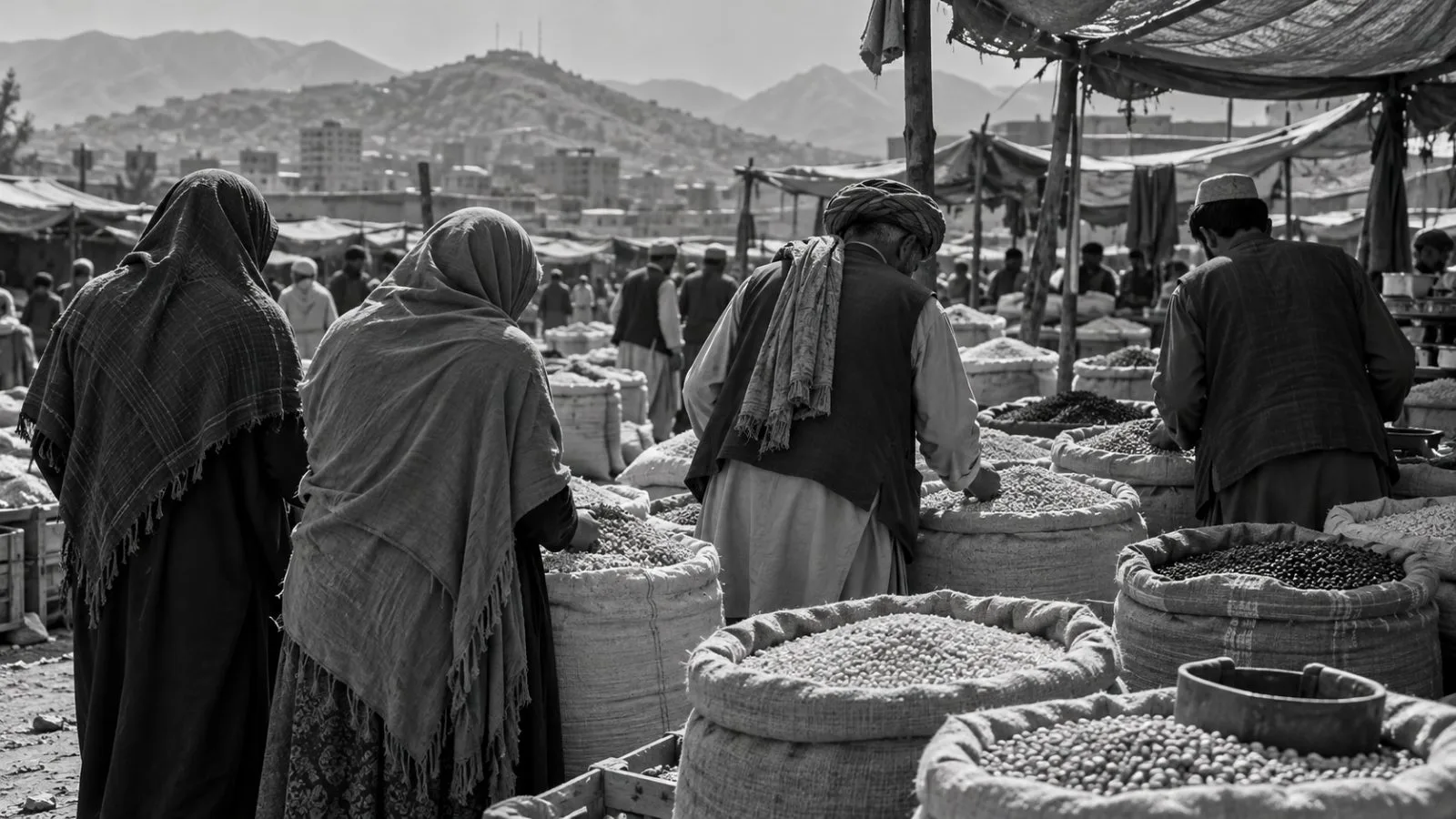
Better rainfall and agricultural production have increased food supplies and helped many farming households. But families that depend on wages to buy food have gained less from the harvest. The IPC cites scarce work, weak purchasing power, inflation, higher farming costs, trade disruptions and reduced humanitarian assistance as pressures on access to food.
Landless households, casual laborers, returnees and households headed by women are among those most exposed, the IPC says. More than 1.2 million Afghans returned from Iran and Pakistan in 2026, adding pressure to jobs and services.
The IPC projects that 19.2 million people will face Crisis-level food insecurity or worse from November 2026 through April 2027, including 5 million in Emergency. Its projection assumes aid covering about half of daily calorie needs will reach only 1% of the population during that period.
Olga Cherevko, spokesperson in Afghanistan for the United Nations Office for the Coordination of Humanitarian Affairs (OCHA), described the projected 5 million in Emergency as “one step away from famine.” Emergency is Phase 4 on the IPC scale, distinct from Phase 5 Catastrophe/Famine.
An estimate by the Nutrition Cluster and partners cited by the IPC projects that 4.04 million children ages 6 to 59 months will need treatment for acute malnutrition from January through December 2027. About one-third of nutrition sites have closed or suspended services, the IPC says.
The Food and Agriculture Organization of the United Nations (FAO) and the United Nations World Food Programme (WFP) have called for more funding for food assistance, emergency agricultural support, and malnutrition prevention and treatment. They say support is needed before winter restricts access to vulnerable communities and farmers miss planting windows. The IPC’s next food insecurity projection covers May through September 2027.