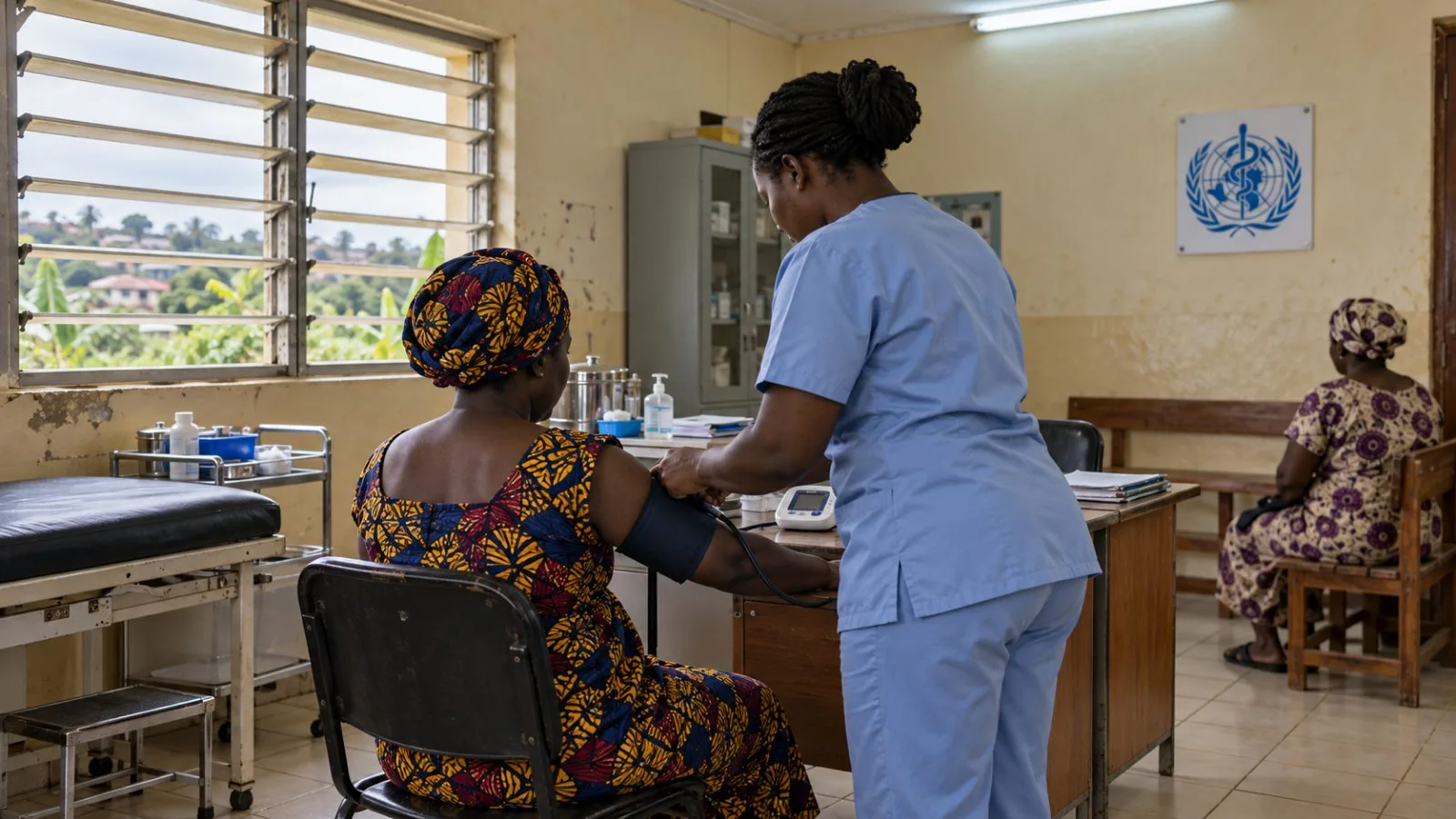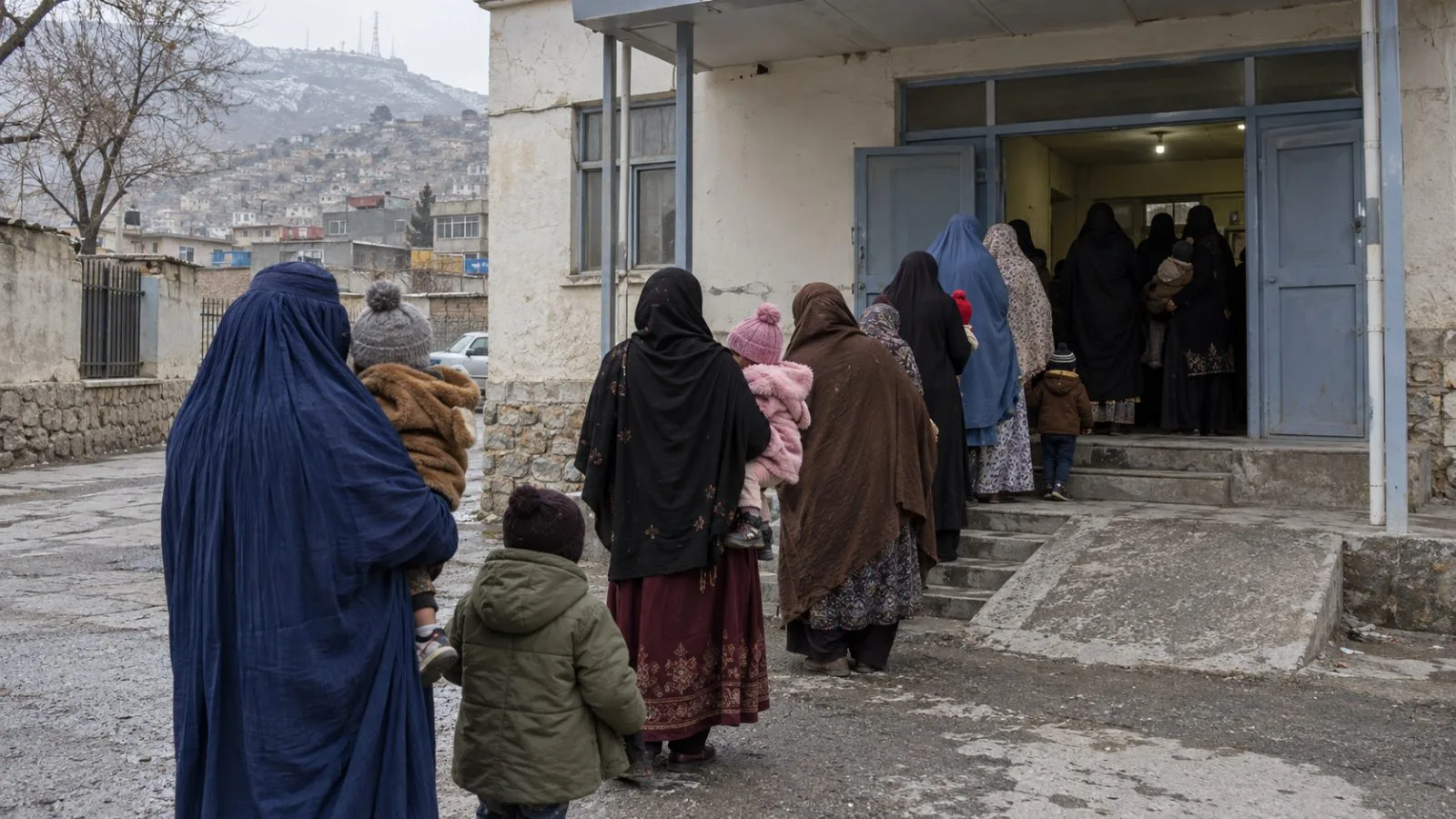
The Integrated Food Security Phase Classification (IPC) projects 19.2 million Afghans in Crisis or worse food insecurity this winter, while about a third of the country’s nutrition sites had closed or suspended services.
The forecast covers November 2026 through April 2027 and represents 38% of Afghanistan’s population. It projects 5 million people will face Emergency conditions, up from 3.4 million in September and October. In September and October, 15.9 million people were in Crisis or worse; EconoTimes reported previously on the separate winter forecast of 19.2 million.
The IPC estimates that 4.04 million children ages 6 months to under 5 will need treatment for acute malnutrition from January through December 2027, 9% more than its 2026 estimate. Nearly 1.1 million are expected to have severe acute malnutrition. The assessment also records the highest acute malnutrition level for the August-October period.
Better rainfall and a stronger harvest improved food supplies, benefiting many farming households. But landless and market-dependent families remain exposed. In a joint release, the Food and Agriculture Organization of the United Nations (FAO) and the United Nations World Food Programme (WFP) cited limited work, high costs and declining aid as factors restricting what families can buy. The IPC also points to disease and inadequate water and sanitation, and identifies landless households, casual laborers, returnees and households headed by women as particularly vulnerable.
At an Oct. 20 U.N. briefing, Olga Cherevko, spokesperson for the United Nations Office for the Coordination of Humanitarian Affairs (OCHA) in Afghanistan, said many families lack the income to afford food in markets. She urged aid before winter and sustained investment in livelihoods and basic services. Cherevko said funding cuts had contributed to nutrition service disruptions.
The IPC’s next food-insecurity projection covers May through September 2027; its next malnutrition projection covers April through July.