The American University of Afghanistan faces renewed financial strain after interim president David Edwards said the U.S. State Department rejected a $25 million request, raising questions about an online program serving women barred from university study.
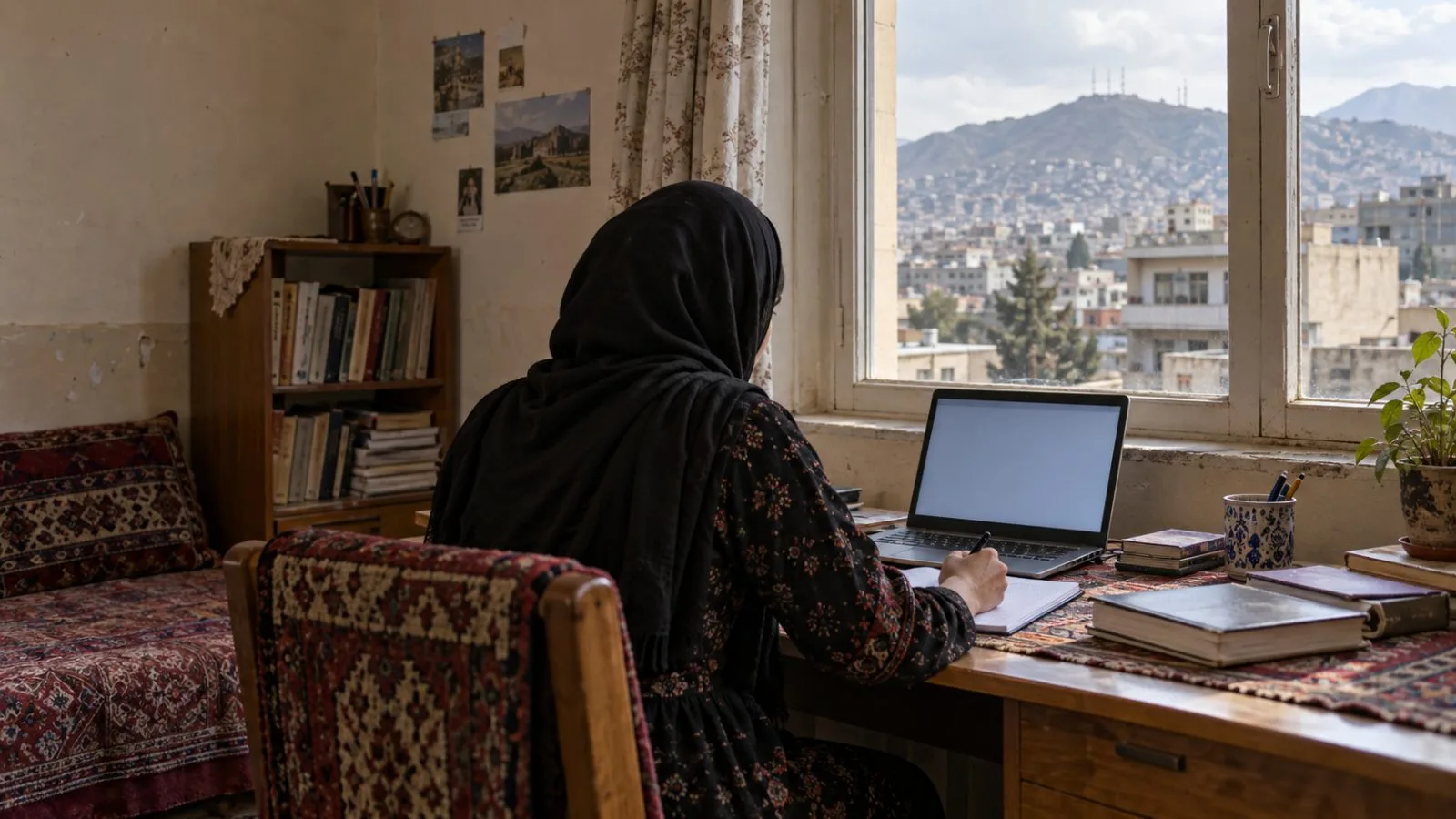
Edwards told The New York Times the request sought support for two years. The university, also known as AUAF, says it has more than 1,000 students, 75% women and 90% living in Afghanistan. It says it now teaches online.
Taliban de facto authorities decided to bar women from universities on Dec. 20, 2022, according to the United Nations Assistance Mission in Afghanistan (UNAMA). The United Nations Educational, Scientific and Cultural Organization (UNESCO) says the ban has blocked more than 100,000 young women from higher education.
Funding pressure had already led AUAF to prepare for a shutdown. The university told Congress and the State Department in April 2026 that it planned to begin closing on May 1 because it lacked funds, according to a July report from the U.S. Agency for International Development (USAID) Office of Inspector General. In May, the State Department approved a one-time $3 million obligation, allowing AUAF to stay open for the time being. The report said the payment left a $4.72 million gap against the agreement ceiling AUAF had used in its 2026 budget planning. The university then planned a shorter fall term with fewer staff.
The State Department Press Office told Deutsche Welle (DW) its decision reflected concerns about AUAF's accountability for millions of dollars in taxpayer money. A 2020 audit by the Special Inspector General for Afghanistan Reconstruction (SIGAR) documented weaknesses in the university's financial reporting, management and staffing; it covered U.S. support through May 2019. The New York Times reported that Edwards said AUAF had addressed past issues and received clean audits since 2021. Patrick Fine, a former Afghanistan mission director at USAID, disputed the department's rationale, telling DW, “Those are just smear tactics.”
The State Department told DW that AUAF could pursue other funders and partners, and that the end of U.S. support did not necessarily mean the university would stop operating.
Laila, an AUAF student identified by DW with a pseudonym, said, “I have lost all my motivation and hope.”