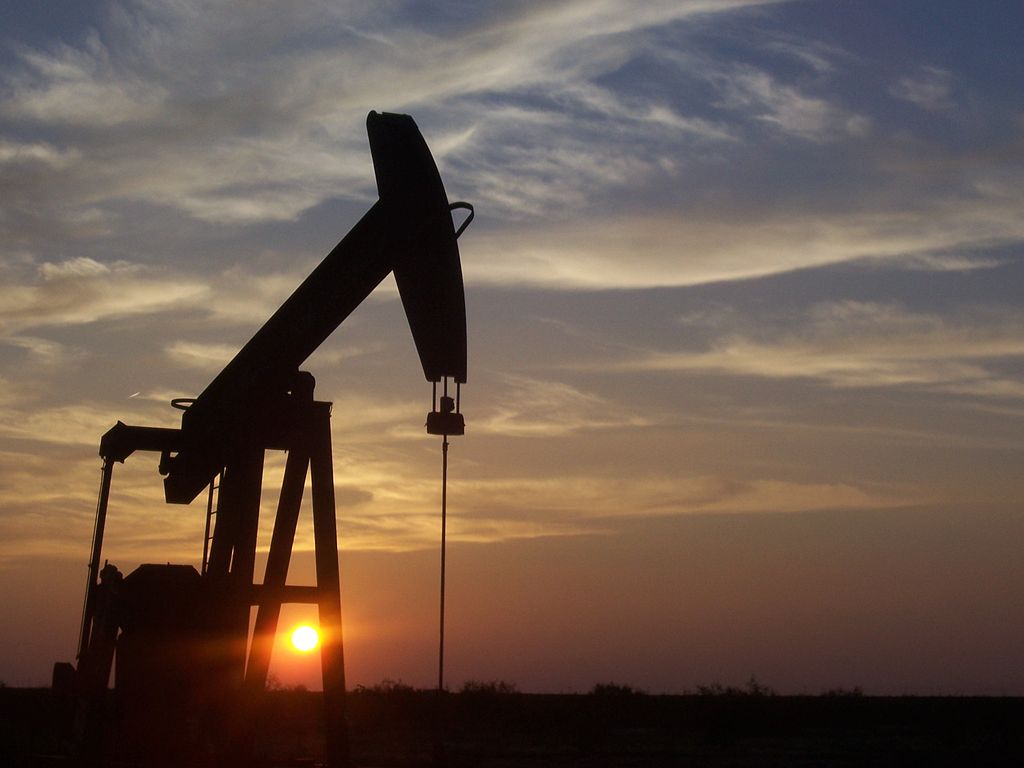
Buried underneath today’s coronavirus headlines is another shock that may, over the long term, be more consequential to the Canadian economy: the shaky collaboration between OPEC and Russia on the amount of oil they collectively dump on the global energy market.
Their former production alliance — cobbled together to help manage global oil prices upon which their respective economies desperately depend — broke down on March 9.
Saudi Arabia began dumping 10 million barrels per day (mbd) on the export market, sparking an all-out price war. Oil prices subsequently dropped between 20 and 30 per cent, much of it in a single day. Oil-producing countries have since reached a deal to cut production in an effort to stabilize oil prices.
The price disruption will still hurt Canada, and the pain will fall particularly hard on Alberta, where producers are still staggering from the 50 per cent drop in prices they suffered more five years ago. At one point, the price of Alberta crude fell below $5 a barrel on global markets.
They also today face relentless environmental criticism for the “dirty oil” they extract, bickering and indecision from provincial and federal governments, and a long consultative processes with outside stakeholders.
It’s no wonder major energy investors, ranging from Teck Resources to Warren Buffet now shun Canada, or that energy companies that once called Canada home are now leaving, taking jobs, expertise and tax dollars with them.
Could this perfect storm force Canada out of the oil production game for good? That should not be allowed to happen. It is in Canada’s national interest to remain a significant player in oil and gas production.
The case for Canadian energy production
First, the world needs — and will continue to need — carbon-based energy for decades to come. Before the current coronavirus pandemic, global oil consumption measured over 100 mbd, and in the absence of aggressive policy changes, is projected to rise 1.3 per cent per year until 2040, and then decrease. Canada contributes 4.5 mbd to that total, and its proven reserves add stability to a volatile global market.
Second, eliminating Canadian oilsands production will not contribute much to efforts to fight climate change. True, oilsands production is more carbon-intensive than conventional sources. But those emissions fade to irrelevance when evaluating global totals. In 2014, the oilsands contributed to 0.1 per cent of global emissions. Most emissions continue to come from burning, not extracting, oil.
Third, whatever oil Canada stops producing will be replaced by others whose economies are critically dependent on oil revenue and would be happy to fill the gap. Eliminating oil sands production would damage our economy, contribute little in ameliorating climate change and give a fiscal boost to other oil producers.
Finally, we are good at this. Canada’s strength in energy production — in engineering, finance and specialized ancillary services — took decades to build and the sector’s performance still matters to anyone who has a pension or exchange-traded mutual fund.
We have also built emerging strengths in environmental, social and governance performance (ESG), which investors increasingly care about. This mitigates the “resource curse” and gives us an advantage over many international oil competitors.
What should we do now?
First, companies need regulatory clarity. Without this, investment in technologies designed to reduce environmental footprints will be choked.
They also need a government that values its oil industry and is committed to helping it get through the current crises and beyond. Economic help could include price supports to keep prices from falling below a certain level, direct investments in companies that could later be sold at a profit or tariffs on imported oil. Others have used such measures effectively, giving plenty of historical precedent.
Canadian citizens can help by tempering altruism with realism. We can and should push for greener technologies and sources to take a greater portion of overall energy production. But it will take decades for green energy to fully replace carbon in the energy mix.
Meanwhile, carbon-based energy production generates jobs, taxes and expertise right now and Canadian oil companies can lead in ESG performance. It is OK to promote that too.
David Detomasi does not work for, consult, own shares in or receive funding from any company or organisation that would benefit from this article, and has disclosed no relevant affiliations beyond their academic appointment.