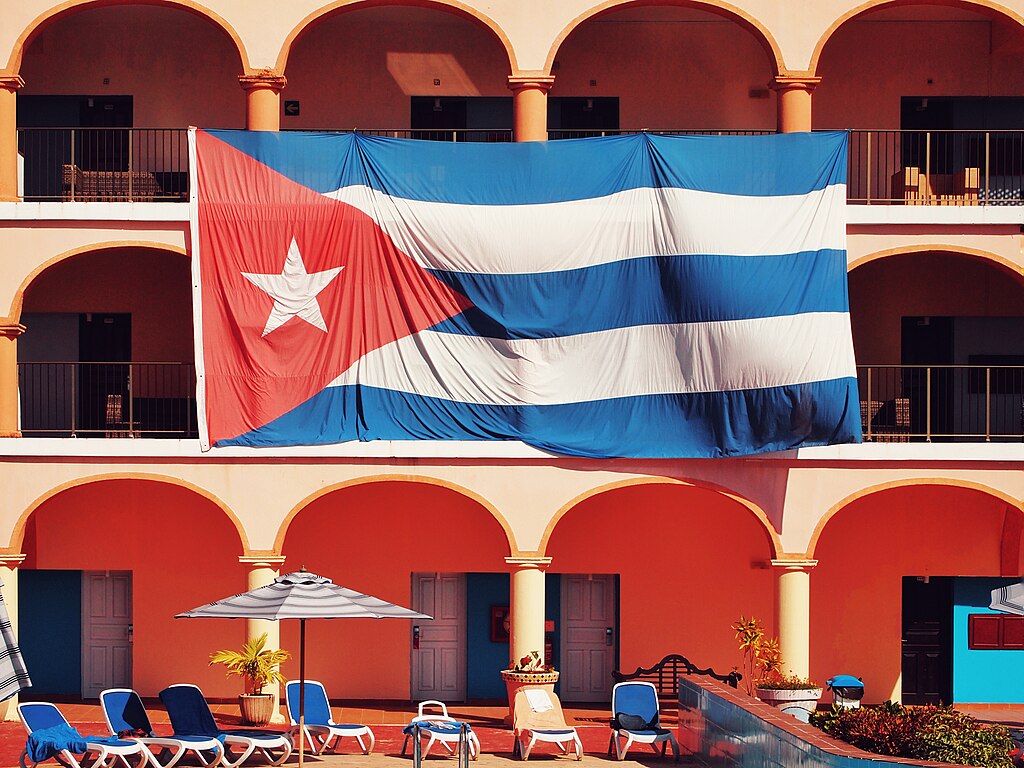
Cuba has strongly rejected the latest sanctions imposed by U.S. President Donald Trump, describing them as unjust and harmful to its citizens. The response came from Cuban Foreign Minister Bruno Rodríguez, who criticized the move as a form of “unilateral coercive measures” aimed at pressuring the island nation.
In a statement shared on social media platform X, Rodríguez argued that the newly announced U.S. sanctions on Cuba violate international law, particularly the principles outlined in the United Nations Charter. He emphasized that the United States does not have the legal authority to enforce such measures not only against Cuba but also against third-party countries and foreign entities engaging with the island.
The sanctions, introduced through an executive order on Friday, are part of ongoing tensions between the United States and Cuba. According to Rodríguez, these actions are designed to create economic hardship and serve as a form of “collective punishment against the Cuban people,” rather than targeting specific government policies.
Despite the increased pressure, Cuba remains defiant. Rodríguez made it clear that the country will not be intimidated by Washington’s actions, reinforcing the government’s stance on sovereignty and independence. “They will not intimidate us,” he stated firmly, signaling Cuba’s continued resistance to U.S. foreign policy measures.
The issue of U.S.-Cuba relations has long been a point of global attention, with sanctions playing a central role in shaping economic and political dynamics. Critics of the sanctions argue that they negatively impact ordinary citizens, while supporters claim they are necessary to push for political change.
As geopolitical tensions continue, the latest developments highlight the ongoing conflict between the two nations. The situation is expected to draw further international scrutiny, particularly regarding the legality and humanitarian implications of economic sanctions imposed on Cuba.