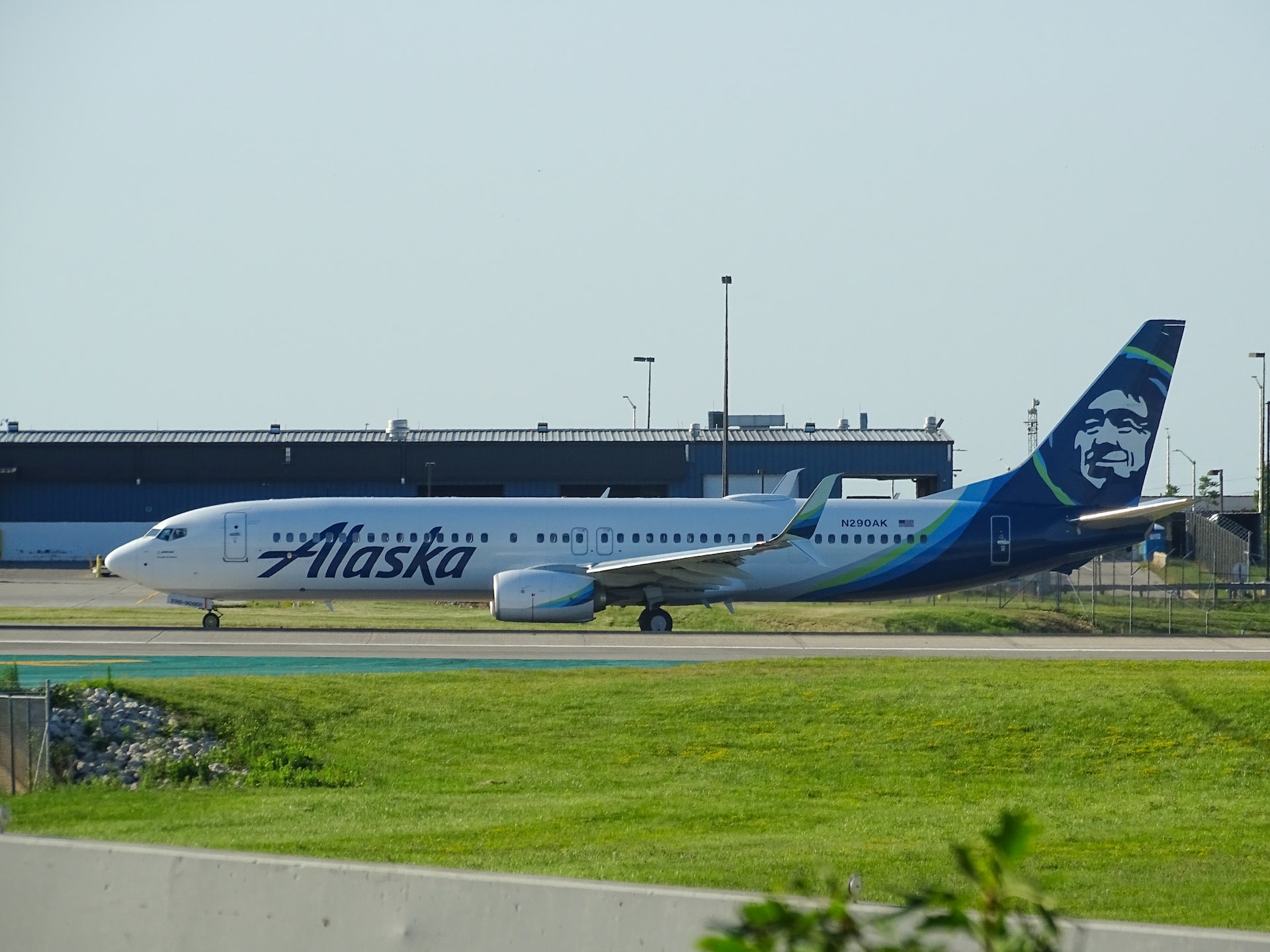
Alaska Air Group (NYSE: ALK) projected weaker-than-expected third-quarter earnings on Tuesday, citing continued pressure from elevated jet fuel costs that it expects to recover only partially through higher fares. The forecast fell short of Wall Street expectations, sending the airline's shares down about 1.7% in after-hours trading.
The Seattle-based carrier expects adjusted earnings ranging from break-even to $1 per share in the third quarter. The midpoint of 50 cents is significantly below analysts' consensus estimate of $1.38 per share, according to LSEG. Unlike larger U.S. rivals such as Delta Air Lines and United Airlines, Alaska remains more vulnerable to fuel price swings due to its extensive Hawaii network and limited exposure to premium international travel.
Company executives said higher Singapore refining margins have made fuel costs particularly challenging for its Hawaii operations. Renewed geopolitical tensions involving the U.S. and Iran have also contributed to higher energy prices, increasing operating expenses across the airline industry.
Alaska declined to restore its full-year financial outlook after withdrawing it in April, saying uncertainty around fourth-quarter fuel prices remains too high. The airline plans to provide updated guidance during its investor day in late September.
The company estimates its third-quarter economic fuel cost will average $3.75 per gallon, improving from $4.43 per gallon in the second quarter as refining margins moderate. Management said earnings could reach the upper end of its forecast if fuel averages closer to $3.50 per gallon but may fall toward the lower end if prices approach $4.
Despite fuel headwinds, travel demand remains resilient. Alaska reported an adjusted second-quarter loss of 92 cents per share, outperforming analysts' forecast of a 99-cent loss. Revenue climbed 10% year over year despite only a 1% increase in capacity, although fuel expenses surged 86%, adding roughly $600 million in costs.
The airline expects third-quarter unit revenue to grow by a low-double-digit percentage while non-fuel unit costs rise at a much slower pace. Executives also said bookings for September and October remain strong, indicating little impact from rising ticket prices.
Hawaii continues to lag the rest of Alaska's network after heavy rains affected second-quarter performance, but demand is improving. The airline also confirmed plans to replace Hawaiian Airlines' aging Boeing 717 inter-island fleet with larger Boeing 737-800 aircraft beginning in 2028 as part of its long-term growth strategy.